B-SAT Selects Arianespace to Launch its Next Satellite

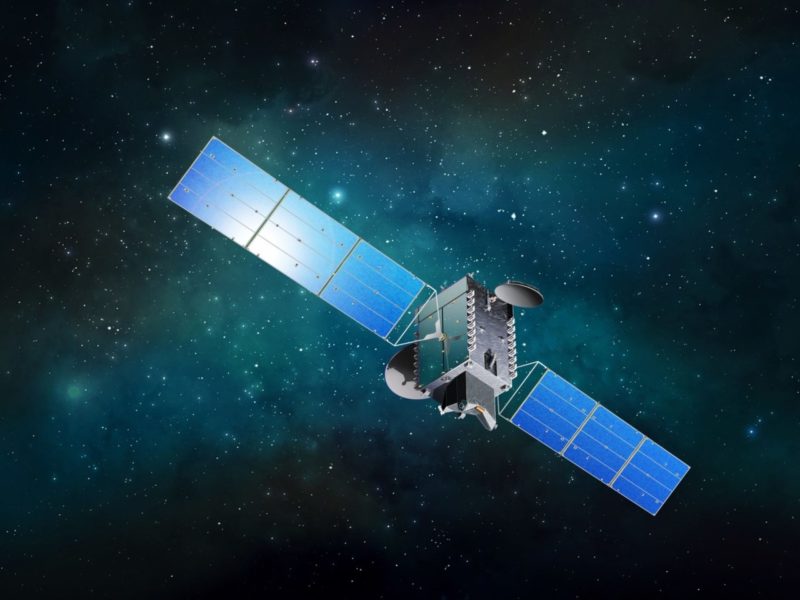
BSAT selects Arianespace to launch its next satellite, marking the 10th lift-off by Arianespace for the Japanese satellite operator. Photo Credit: SSL

Arianespace has announced that it will launch BSAT-4b as part of a turnkey contract between Japanese satellite operator B-SAT and Maxar’s California-based satellite manufacturer SSL. Since the creation of B-SAT, Arianespace has launched all nine of its satellites. BSAT-4b not only marks the 10th launch but also the 32nd commercial geostationary satellite launch contract awarded to Arianespace in Japan.

Built by SSL using a 1300 platform, BSAT-4b will feature 24 Ku-band transponders. It will weigh about 3,520 kg at launch and is designed to have a nominal service life of at least 15 years. It will be positioned in geostationary orbit at 110 degrees East. BSAT-4b will serve as a back-up of BSAT-4a, which Arianespace launched in September 2017. It will have the same Japanese archipelago footprint as BSAT-4a, providing Direct-to-Home television to ensure 4K/8K ultra-high definition video distribution for the 2020 Tokyo Olympic Games.


BryceTech Report Shows SpaceX Accounted for 50% of Launches in 2025

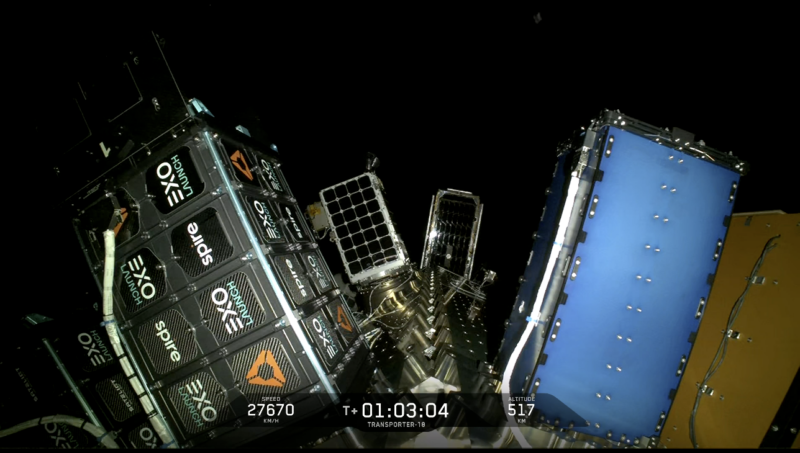
SpaceX launches the ninth and tenth O3b mPOWER satellites on July 22. Photo: SES

SpaceX launches the ninth and tenth O3b mPOWER satellites on July 22. Photo: SES

BryceTech, one of the leading space research firms, has released its 2025 Year in Review tracking the launch market. It shows a market moving towards small satellites, and underlines the dominance of SpaceX in the launch market compared to all the other players. These were two of the highlights of its 2025 Year in Review research, which is now live.

BryceTech reported in 2025 there were 325 orbital launches and 4,544 spacecraft deployed, representing approximately a 25% increase in launches and a 54% increase in spacecraft relative to 2024.

“This record-setting year for spaceflight was defined by a sustained increase in global launch cadence and growing participation across launch providers. U.S. and commercial companies led the way, while further proliferation of small, communications-focused satellites indicates continued scaling of the orbital economy,” the report said.

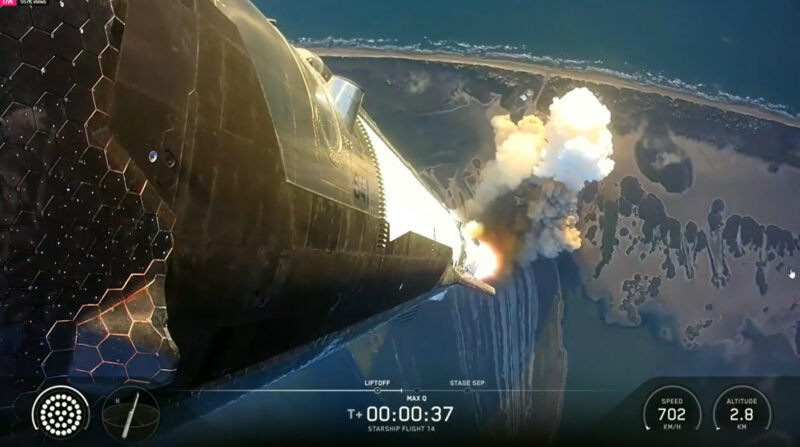
It says that the U.S. remains a global leader with nearly 60% of all launches were conducted by U.S. providers, reinforcing its central role in global space activity. SpaceX dominates here, completing 165 orbital launches in 2025 — accounting for nearly 51% of the global total of launches. SpaceX launched 85% of all satellites in 2025.

The report did not break out how many were Starlink launches, but trackers show that 122 of SpaceX’s 2025 launches were for Starlink, marking 74% of SpaceX’s missions.

Second on the list was CASC in China which conducted 68 orbital launches. The only other two companies in double figures were Rocket Lab (18 launches) and Roscosmos in Russia (17 launches).

The dominance of small satellites was also eye-catching in 2025. According to BryceTech, smaller satellites (less than 1,200 kg) made up 98% of spacecraft launched, which the firm noted highlights “the industry’s move toward compact, efficient designs.”

One of the interesting stats to come out of BryceTech’s review was that in 2025 service providers worldwide launched an estimated 2.7 million kilograms of spacecraft mass during 2025.