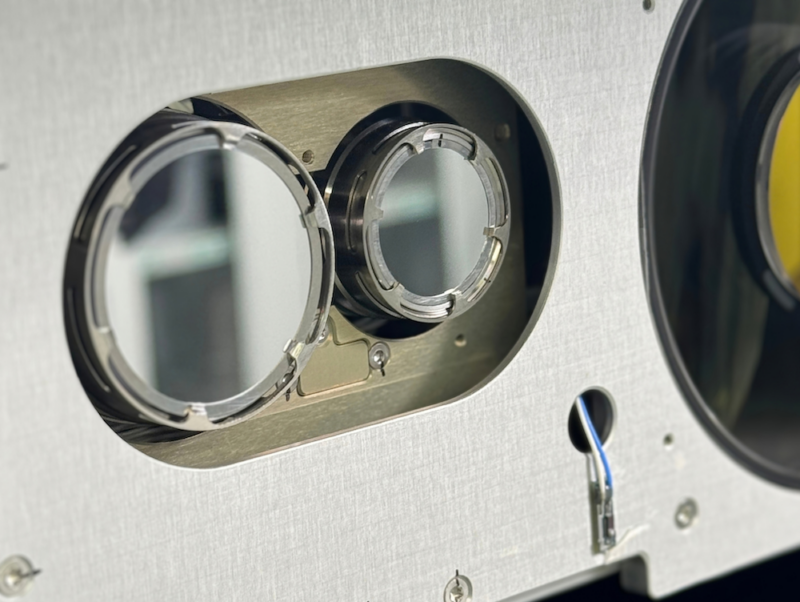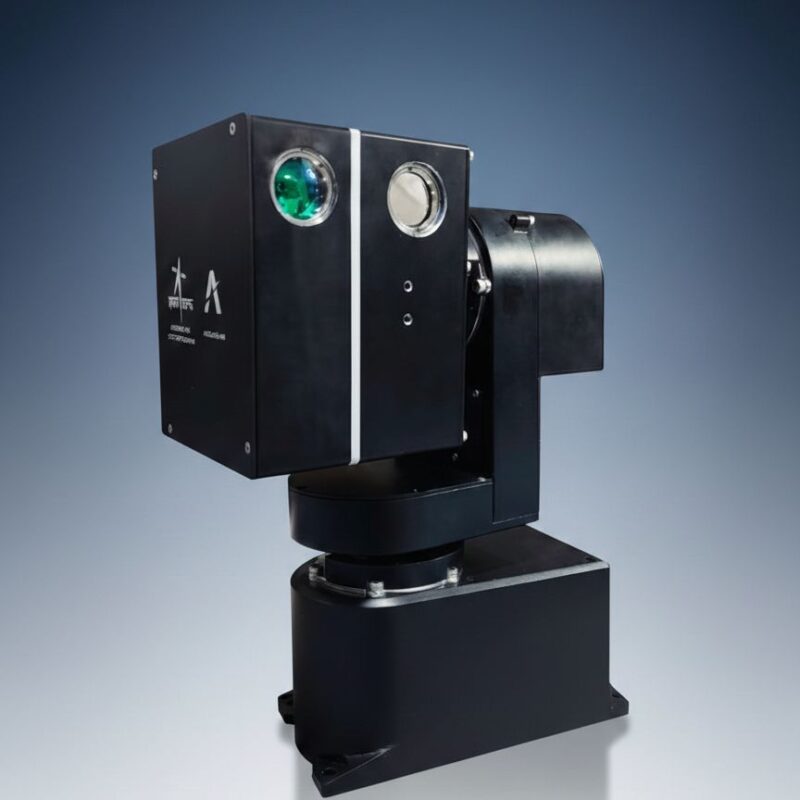
Capella Space is preparing for tests to validate a Mynaric optical communications terminal on its newest satellite — the first time Capella has deployed an optical terminal.
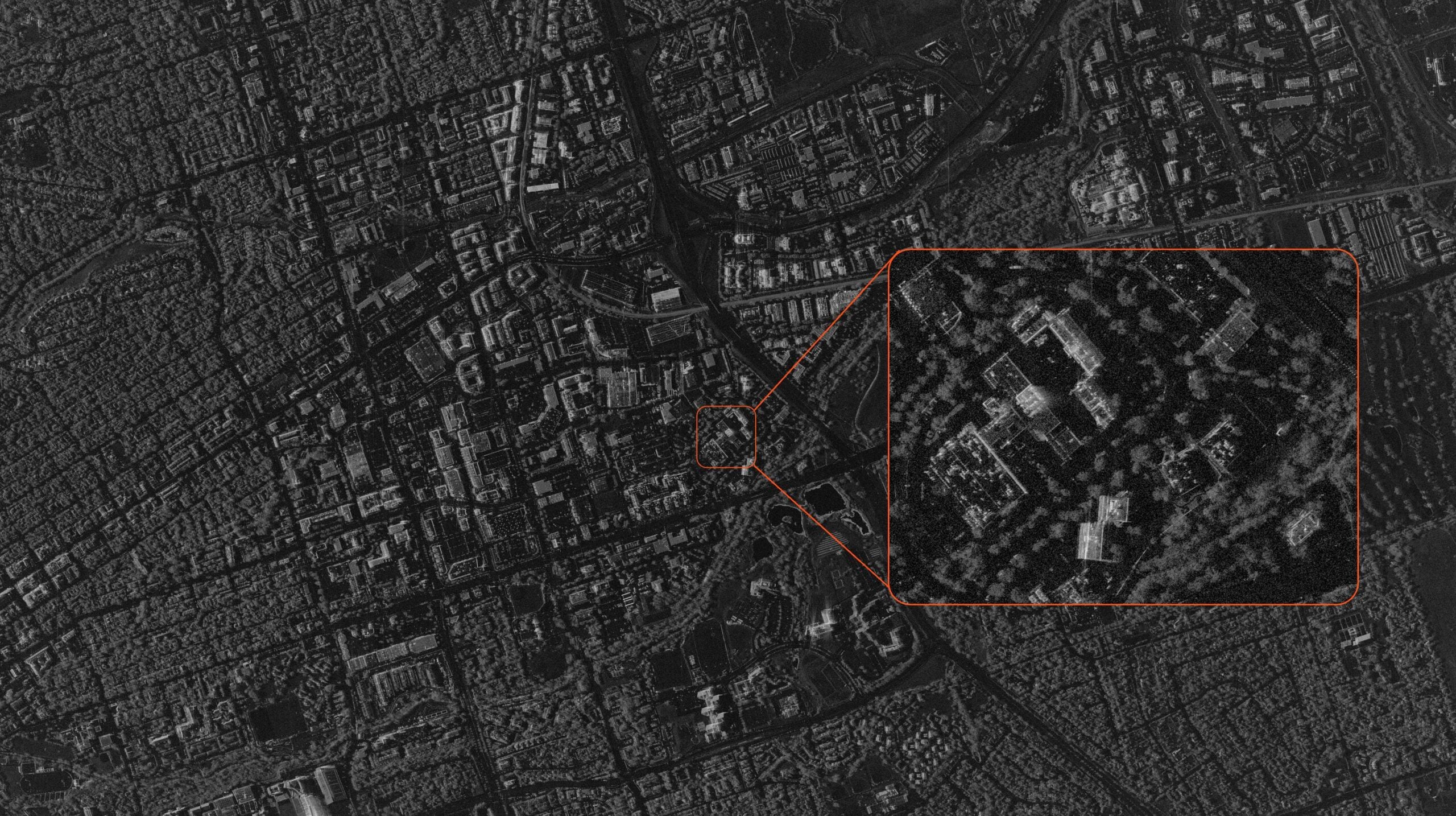
Capella Space released the first synthetic aperture radar (SAR) images from its Acadia-10 satellite on Wednesday, after the satellite launched in March.
Capella is currently completing operational check out on the Acadia-10 satellite and planning to conduct operational tests with the terminal at 2.5 gigabits per second
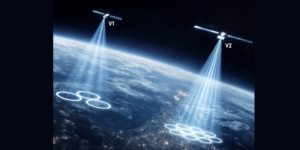
“This approach has the potential to bypass the multi-hour ground station wait. The long-term objective is to reduce task-to-delivery timelines from hours toward minutes as optical relay infrastructure matures, ” Capella parent company IonQ said in a blog post.
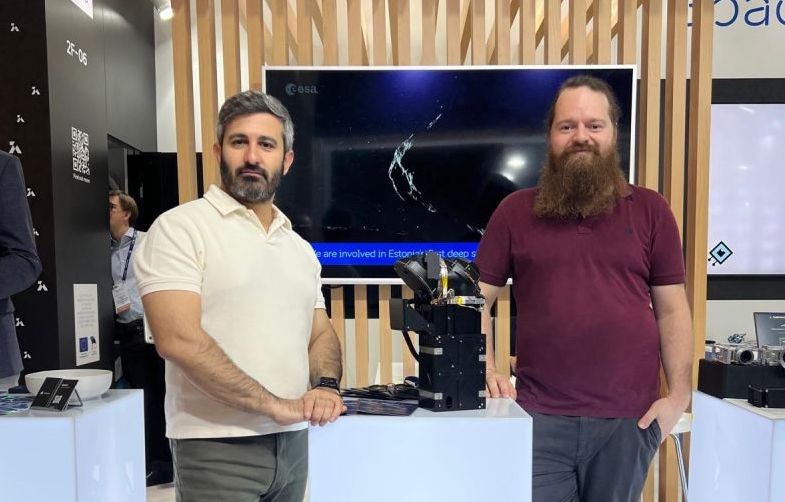
Capella first announced plans to put Mynaric OCTs onboard its satellites back in 2021. But future Acadia satellites will have Skyloom OCTs instead, a Capella spokesperson told Via Satellite. Both Capella and Skyloom are now owned by quantum company IonQ after acquisitions.
Both acquisitions tie in with IonQ’s goal to bring quantum networking to space. Capella satellites are set to be equipped with Skyloom OCT’s starting in 2027, the spokesperson said.
The terminal on Acadia-10 is compatible with the Space Development Agency (SDA) OCT standard to communicate with the SDA’s proliferated Low-Earth Orbit (LEO) network. Capella has been working with the SDA since 2021. In April of this year, the SDA awarded Capella an award under HALO Europa Track 1 in April to design two satellites to demonstrate “advanced tactical waveform performance, adaptive beamforming, and secure tactical communications in LEO.”
The spokesperson said that specific details on the tests with the SDA under the HALO agreement will come out at a later time.
There was significant engineering required to put an OCT on a Capella SAR satellite, which is on the larger end of commercial SAR satellites at 175 to 195 kg and 700 W of solar array power.
“The optical head on the OCT terminal is physically large relative to the satellite bus; fitting it, managing its field of view around other deployed structures, and accommodating its power draw required significant design iteration,” Capella stated in a post.
Editor’s note: A previous version of this article stated that Capella had demonstrated the optical terminal. This article and headline has been updated in line with a corrected statement issued by IonQ.