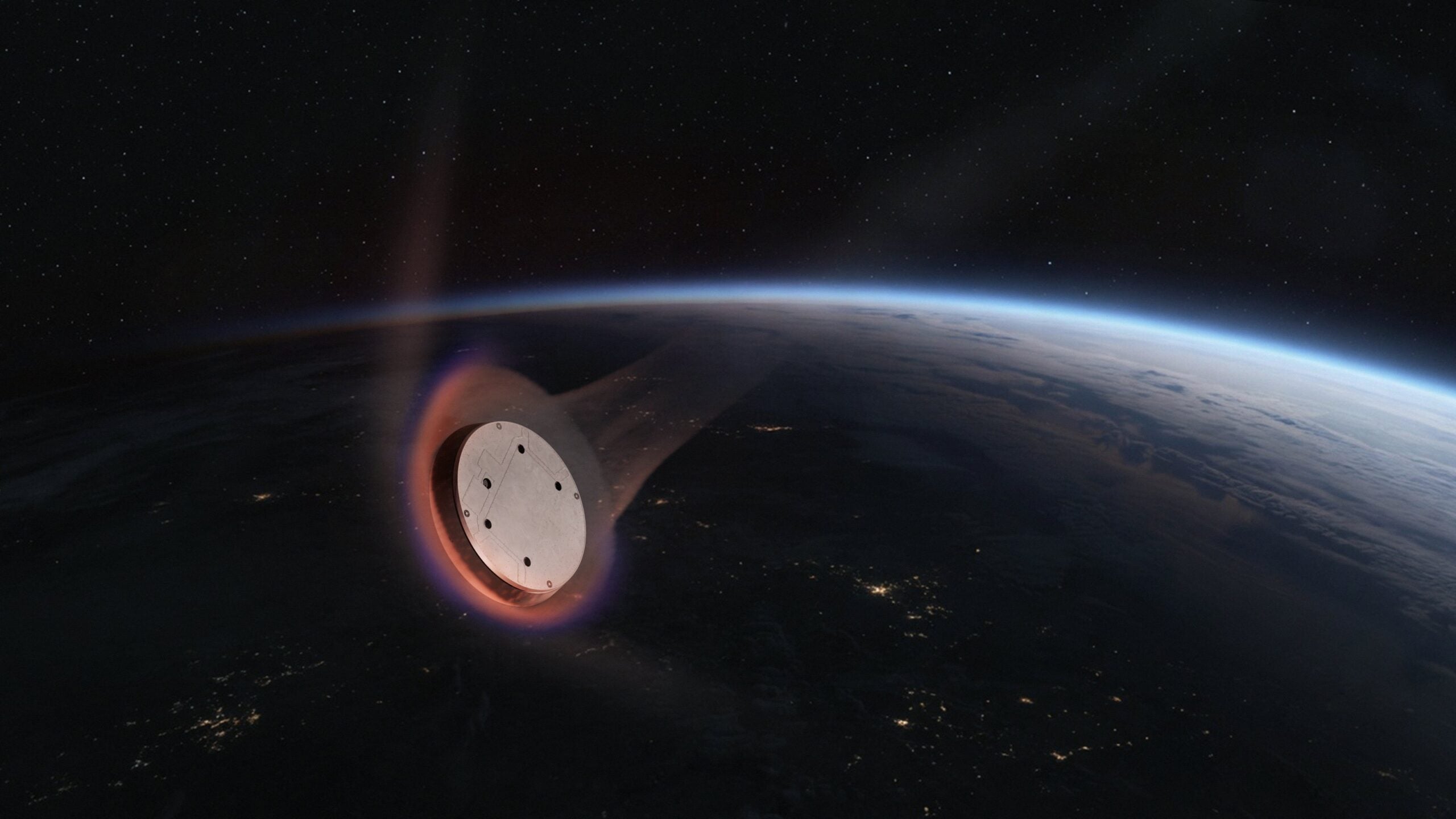
SpaceX demonstrated a new spacecraft for the first time on Tuesday, a reentry vehicle called Starfall. It’s aimed at enabling regular access to microgravity for science and in-space manufacturing.
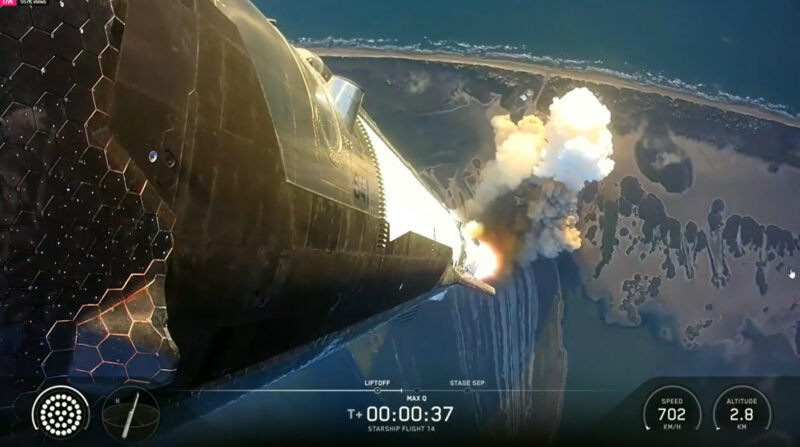
SpaceX launched the Starfall demo mission on Tuesday morning in a Falcon 9 launch from Cape Canaveral Space Force Station at 6:53 a.m. ET.
The goal of the demo mission was to demonstrate controlled flight of Starfall and later splash down in the Pacific Ocean, Zachary Luppen, SpaceX avionics supply chain engineer said on Tuesday’s launch broadcast.
“SpaceX has developed a new spacecraft called Starfall, which is at its core a microgravity lab researchers and entrepreneurs can leverage to develop their products and innovations,” Luppen said. “As we have seen demonstrated on the International Space Station, there is a huge opportunity to benefit life on Earth through microgravity research and in space manufacturing.”
A number of companies are targeting returnable capsules for in-space manufacturing, with Varda Space Industries demonstrating success on multiple missions. Others include Atmos Space, Lux Aterna, and Orbital Paradigm.
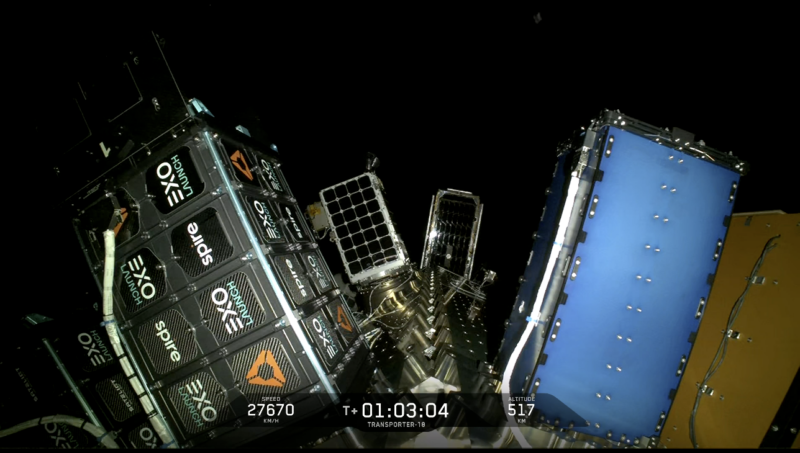
SpaceX hasn’t released much information on the Starfall vehicle. Unlike a typical customer satellite or Starlink launch, SpaceX did not show video of Starfall deployment, instead stopping the launch broadcast early.
In documentation to the Federal Aviation Administration (FAA), Starfall is described as a capsule 2.5 feet tall by 10.2 feet wide, weighing 4,600 pounds and capable of carrying 2,200 pounds of payload. It’s described as for “future transport and delivery of goods through space,” and not intended for human spaceflight.