Rocket lab launched a responsive space mission for the U.S. Space Force on Friday from New Zealand, as part of the Tactically Responsive Space (TacRS) Victus Haze mission.
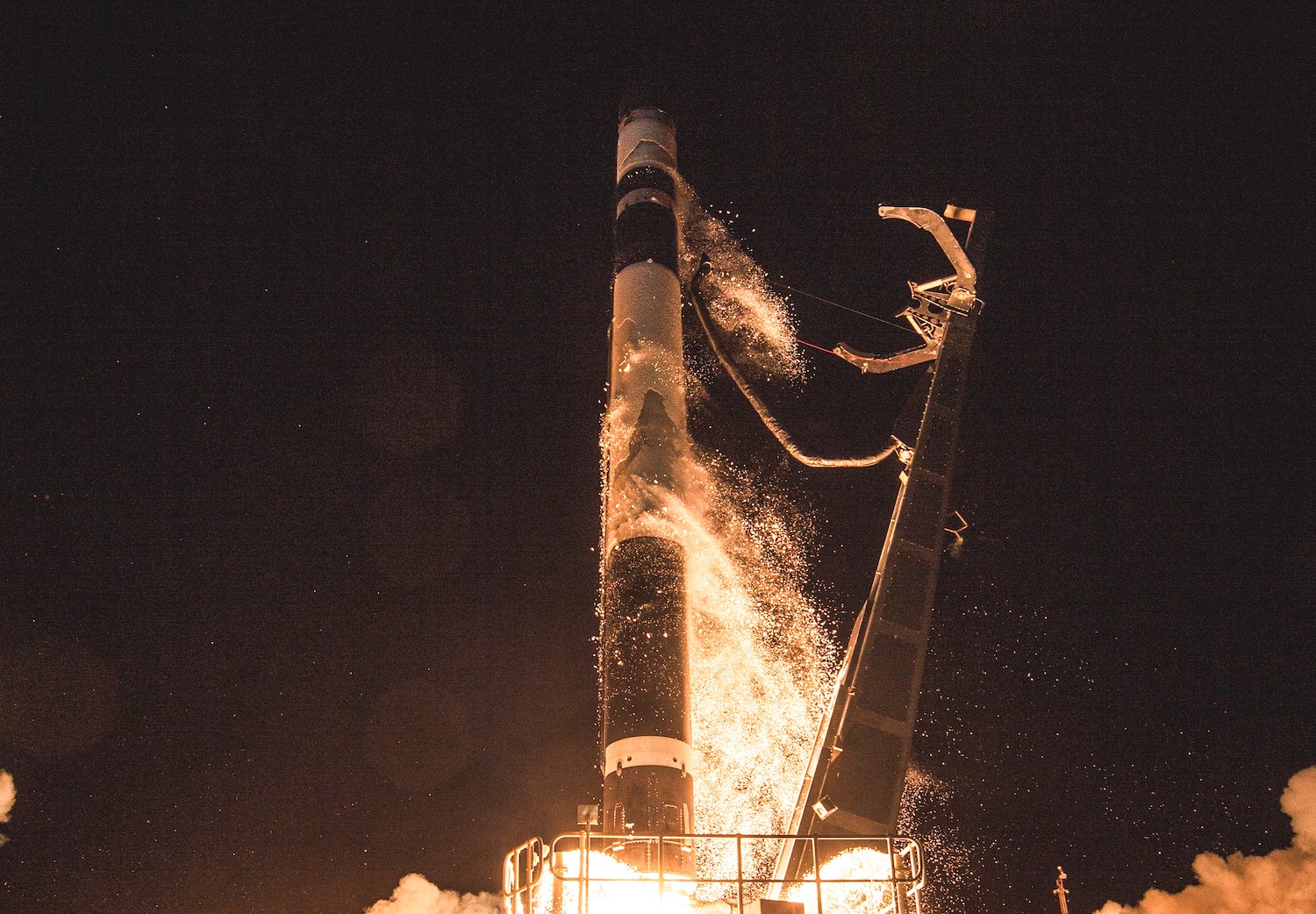
Space Systems Command (SSC) and Rocket Lab revealed details of the launch on Monday afternoon. Rocket Lab was able to launch the mission 16 hours and 42 minutes after it received a notice to launch from SSC. It launched the mission on an Electron vehicle from Launch Complex 1 in New Zealand at 10:19 pm NZT on June 19.
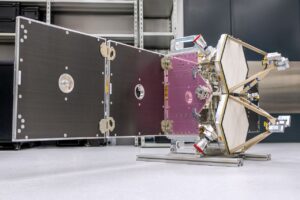
Unique to this TacRS mission, Rocket Lab both built the spacecraft and conducted the launch. It launched a Rocket Lab- built Pioneer spacecraft designed to conduct rendezvous and proximity operations (RPO) in Low-Earth Orbit (LEO).
The spacecraft was fully commissioned within 37 hours, 36 minutes, ahead of the TacRS deadline of 72 hours.
In the next steps, the Pioneer spacecraft will RPO and simulate “a rapid threat-response scenario alongside a non-compliant satellite,” Rocket Lab said.
That satellite is a True Anomaly JACKAL-0004 spacecraft, True Anomaly confirmed Monday. That satellite launched on a SpaceX rideshare mission in May.
SSC said the True Anomaly and RockeT Lab teams will demonstrate space domain awareness (SDA) and characterization capabilities, and dynamically engage with each other.
“Victus Haze set out to demonstrate our ability to respond to irresponsible behavior on orbit under operationally realistic conditions, and we are doing just that, leveraging commercial partnerships to maximize flexibility and minimize cost.” said USSF Col. Bryon McClain, acting Space Force portfolio acquisition executive (PAE) for Space Combat Power.
Rocket Lab noted it beat the previous TacRS record. This was set by Firefly Aerospace in the 2023 Victus Nox mission which was fully readied for launch within 24 hours and launched at the first available window, 27 hours after the call-up.
“Our launch-plus-spacecraft integrated mission capability is transformative for responsive space,” Rocket Lab CEO Peter Beck said. “By launching on demand with spacecraft at-the-ready we’ve shown we can secure and defend the nation’s space interests rapidly, and that’s a powerful capability for the United States and its allies. This is what modern space power looks like: the ability to reinforce and reimagine national security space architecture at will.”