The mission to boost NASA’s Swift Observatory launched over the weekend, and teams have made contact with the Katalyst Space LINK servicing spacecraft.
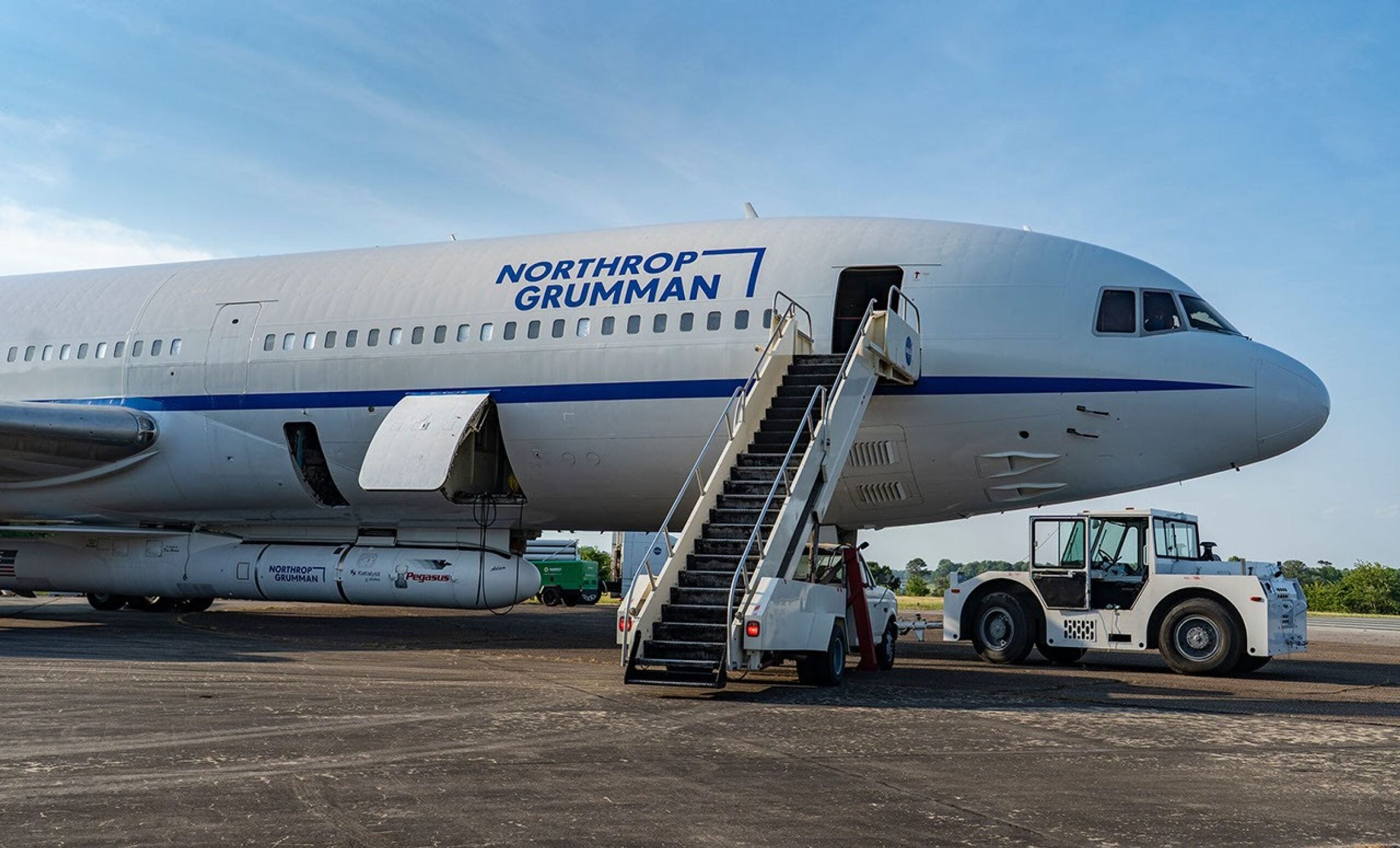
Northrop Grumman launched the mission on its air-launch Pegasus XL rocket from Kwajalein Atoll in the South Pacific Ocean on Friday. Northrop Grumman’s Stargazer L-1011 carrier aircraft deployed the Pegasus rocket at an altitude of 40,000 feet.
The mission launched at 8:36 p.m. Marshall Islands Time on Friday July 2, which was 4:36 a.m. EDT on Friday. It was the 46th Pegasus launch to date, and the first time Pegasus has launched since 2021.
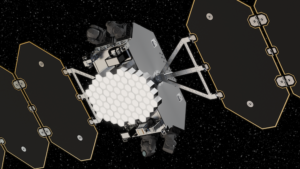
NASA confirmed post-launch that teams have made contact with the LINK spacecraft. Katalyst will now perform checkout procedures for its propulsion, sensor, and navigation systems. NASA said that LINK will then approach Swift and survey the observatory before capturing it and boosting the observatory to a higher altitude.
The mission launched less than a year after NASA awarded Katalyst the contract in September 2025, in a bid to “race against the clock” and advance commercial servicing technology. The Neil Gehrels Swift Observatory was launched in 2004, and its orbit is decaying rapidly because of increased solar activity.
If successful, this mission will be the first time a commercial robotic spacecraft captures a government satellite that is uncrewed, or not originally designed to be serviced in space, NASA said.