The recent HAPS flight of a Sceye vehicle also included a laser tracking demonstration. Sceye and Softbank conducted the demonstration in August, flying a Sceye HAPS from New Mexico to Japan and back, demonstrating mobile broadband connectivity and edge computing.
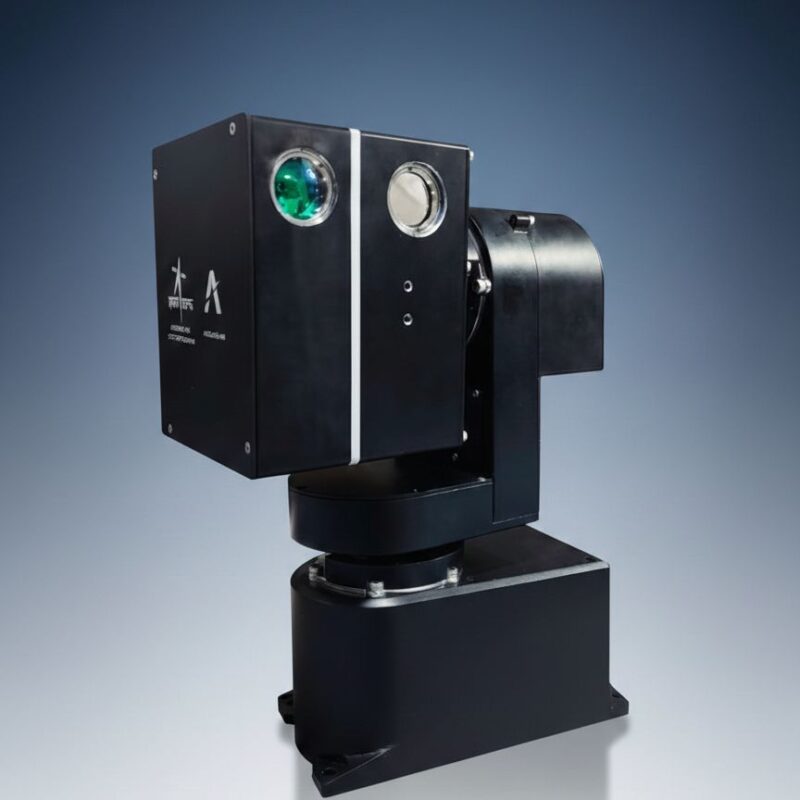
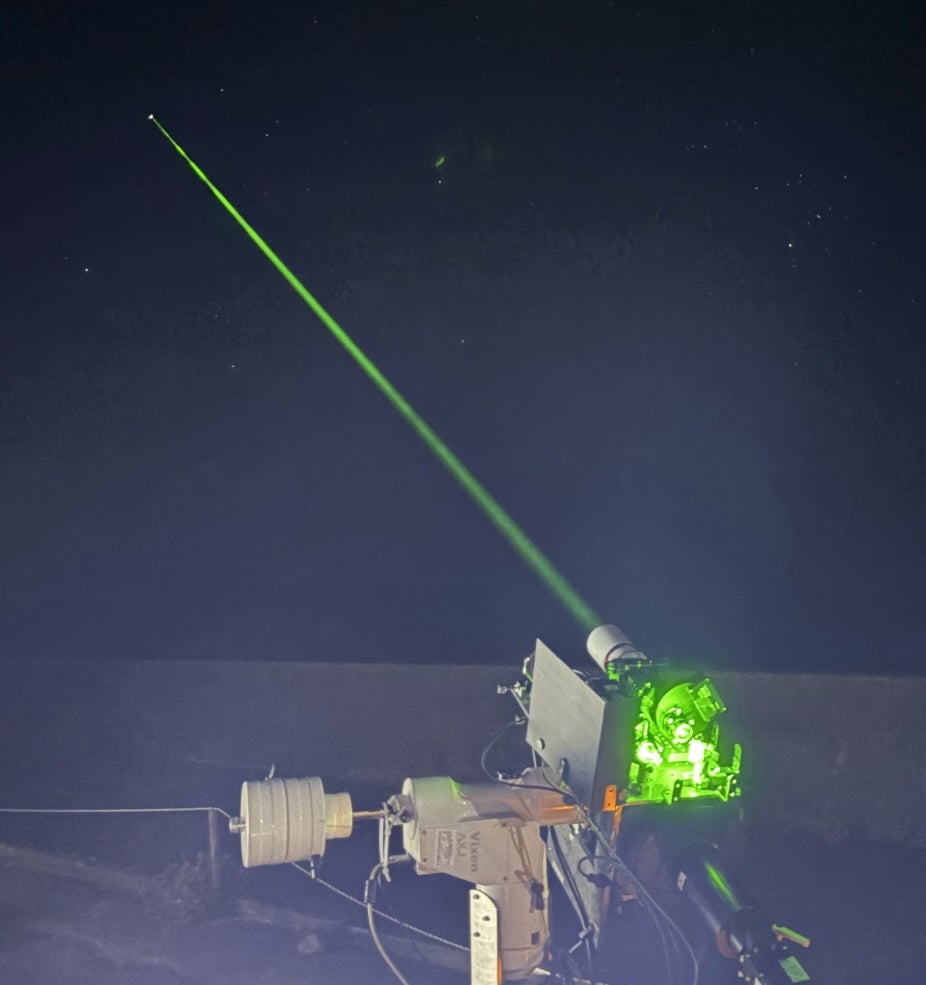
Sceye disclosed on Wednesday that the flight also included a free space optical (FSO) demonstration, tracking the vehicle in Japan using a portable laser ranging system transmitting signals to a reflector onboard the vehicle.
Japan’s National Institute of Polar Research (NIPR) designed the corner cube reflector (CCR) and SoftBank developed a reflector assembly incorporating the CCR. The ground-based equipment included a portable laser ranging system based on “Omni-SLR” designed by Hitotsubashi University.
Sceye explained that this ability to acquire and track a moving HAPS with a highly directional laser beam is a step toward future optical wireless communications.
“During a single mission, our first Service Test flight supported direct-to-device connectivity, edge computing, communications with drones, and now a world-first laser-ranging demonstration. The ability to connect ground, stratosphere, and space through optical links could fundamentally change how information moves securely around the world,” Sceye founder and CEO Mikkel Vestergaard Frandsen said in a release.
The ST1 HAPS mission lasted from Aug. 9 through Sept. 5 as the first flight in Sceye’s Service Test program. During the flight, the high altitude platform station (HAPS) demonstrated the SceyeCELL “cell tower in the sky,” transmitting text messaging, voice calls, internet access, and video streaming directly to unmodified phones. It also conducted data processing directly on the platform.