Xona is preparing to start initial beta service for its commercial satellite navigation service in early 2027 after two major milestones this week — a six-satellite launch and a $250 million Series D funding raise.
The company is building a satellite navigation system called Pulsar that broadcasts L-band signals from Low-Earth Orbit as an alternative to GPS. Operating in L-band, the same band as GPS, means the system can be integrated into many existing GPS receivers.
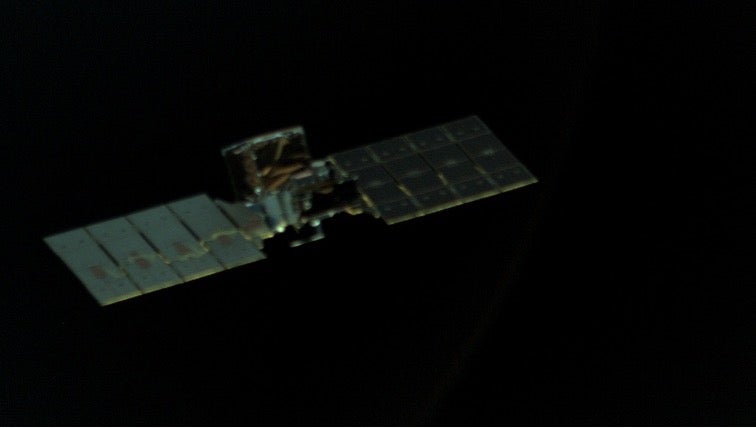
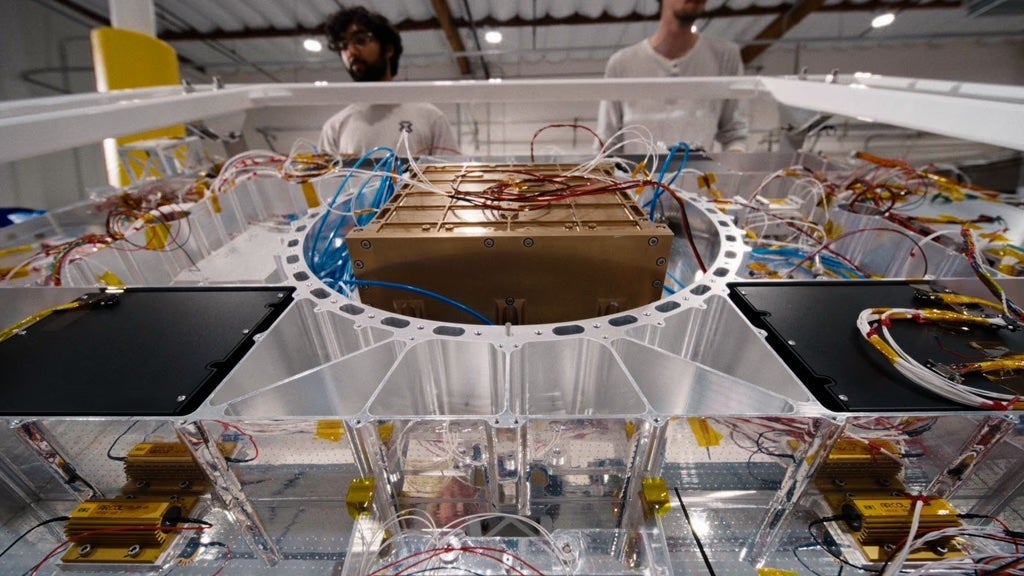
Xona was the largest customer on this week’s Bandwagon rideshare mission to mid-inclination orbit, with six satellites onboard. Four of these satellites — built by Aerospacelab — will support initial beta service in multiple countries beginning in early 2027. Two spacecraft built in-house are designed to validate Xona’s architecture for scaling the full constellation.
After the successful launch, Xona announced a $250 million Series D raise on Oct. 22, led by Steve Jurvetson’s Future Ventures. The financing values Xona at $2.45 billion.
“With satellites in orbit, customers integrating Pulsar firmware into their devices, and the operational capacity to manufacture and deploy at scale, this funding gives us the resources to deliver a service the world increasingly needs,” CEO and co-founder Brian Manning said in a statement.
The company also secured critical FCC approval in August to deploy its full constellation of more than 250 satellites.
Xona says that Pulsar delivers centimeter-level precision and signals up to 100 times more powerful than GPS. The service is targeted for industries like aviation, logistics, and critical infrastructure, as well as defense applications.