PlanetiQ is expanding its GNSS-RO data collection with back-to-back rideshare launches in October, as CEO Ira Scharf says there is growing demand for this type of weather data from both government and commercial users.
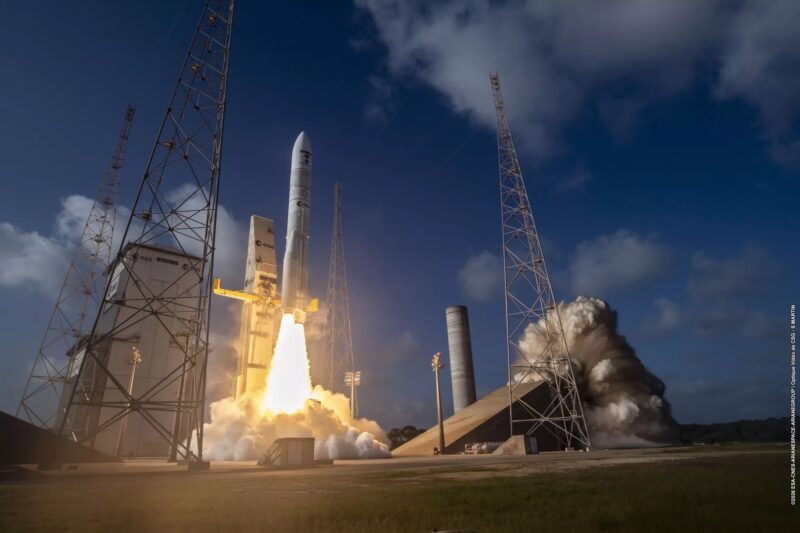
Via Satellite spoke exclusively with Scharf ahead of PlanetiQ’s launch on the SpaceX Bandwagon mission this week, which carried its GNOMES-11 satellite. This was PlanetiQ’s second launch this month after GNOMES-10 launched on SpaceX’s Transporter-18 mission on Oct. 1.
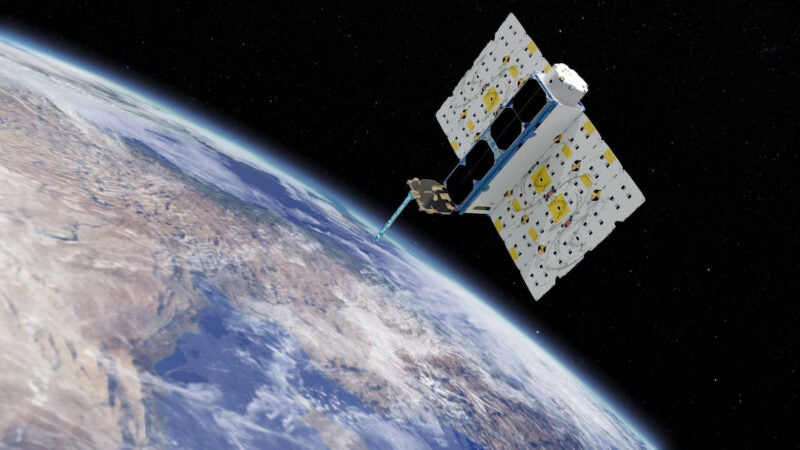
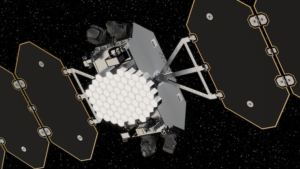
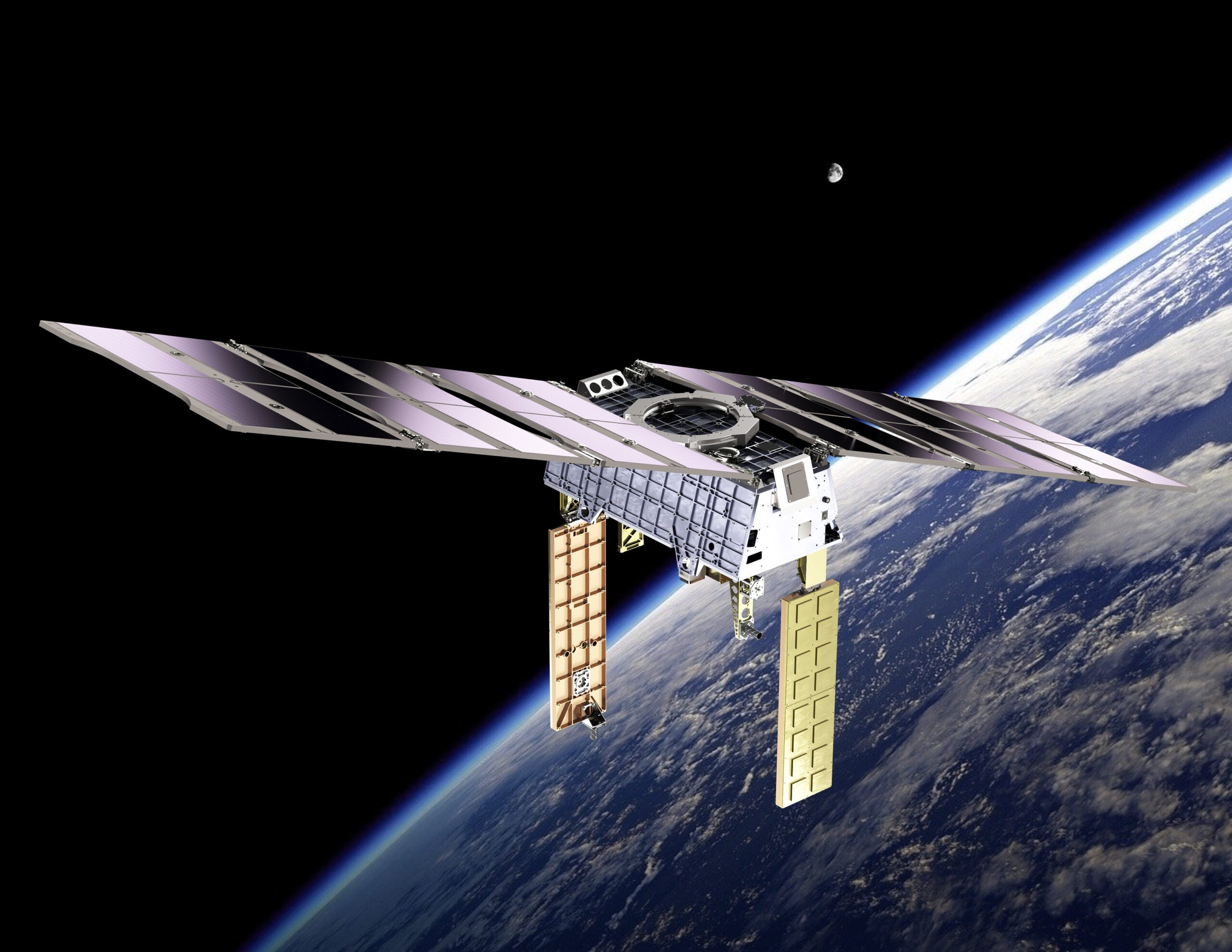
Muon Space built the satellite bus for both satellites, integrating the PlanetiQ Pyxis payload for GNSS-RO (radio occultation) signals. It was the first time PlanetiQ worked with Muon Space, and Scharf says the satellites went from contract to launch in about 10 months.
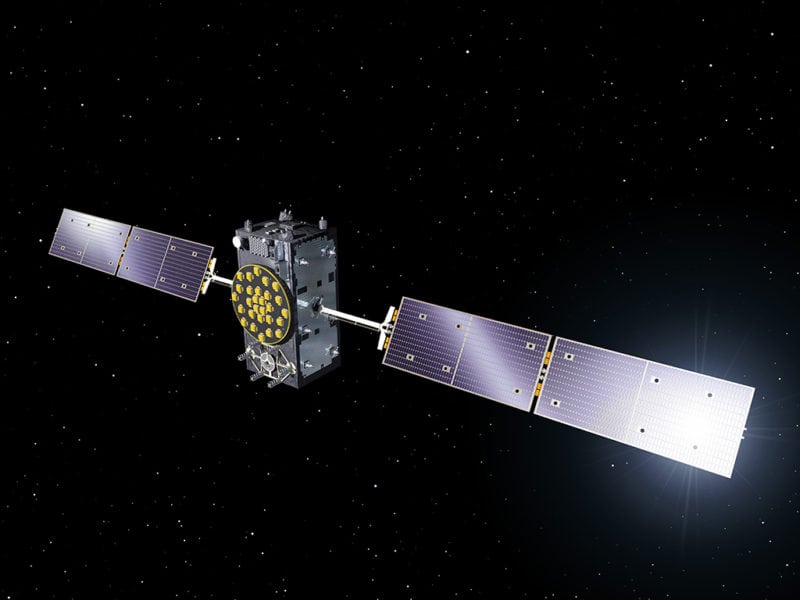
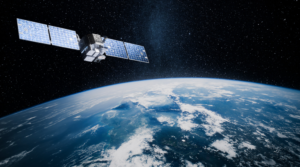
The two new satellites join three satellites currently in operation, for a total of five GNSS-RO tracking satellites. The company reports that with the addition of GNOMES-10 and GNOMES-11, it is approaching a capacity of nearly 20,000 GNSS-RO profiles per day. This data indicates atmospheric density and enables calculation of temperature, pressure, humidity, and electron density.
PlanetiQ is planning to grow its constellation further, building toward a constellation of 20-plus satellites, Scharf says.
The Bandwagon mission to mid-inclination orbit also gives PlanetiQ a different dimension to its collections, Scharf said, providing collections for all local times of day.
The ramp-up comes as commercial GNSS-RO is gaining in adoption, Scharf says. Governmental GNSS-RO data is only available from the aging COSMIC-1 satellite, and COSMIC-2, which is limited to equatorial coverage.
“Radio occultation is a game-changing observation for weather forecasting. It’s a global observation, it is much denser, richer than other satellite observing type right now,” he says. “But it takes some resources and understanding to bring this new data type into the traditional numerical weather prediction models that large governments are running, and even the new AI weather models. The early adopters are the big government meteorological agencies.”
PlanetiQ’s primary customers are government and military agencies in the U.S. and abroad. But this data is making a larger impact with traditional commercial forecasting companies and Scharf sees an opportunity to supply data to the emerging world of AI weather forecasting.
“We’re now producing orders of magnitude more information about the atmosphere than have been previously input into these models, and the AI models are very, very good at taking in this large amount of data and understanding all of the nuance,” Scharf says, adding that the models can take data from data collection thousands of times per day “and build that into a rich understanding of the atmosphere and the projection forward, how those forecasts will work. We’re very excited about the commercial opportunities here in the in the traditional world and in the AI weather forecasting world.”
The two-satellite expansion comes just ahead of El Niño this winter, which is known to lead to more extreme weather events.
“Radio occultation is particularly good at sensing water vapor and water in the atmosphere,” Scharf said. As you have deeper observing capability in the atmosphere, you start to understand a lot more about these phenomena. El Niño and others are much better understood when you have a deep sensing network, which is what we do, and what RO does.”