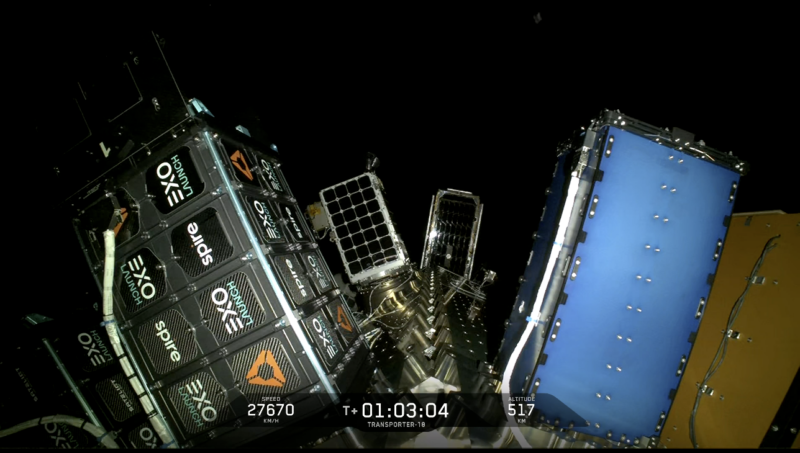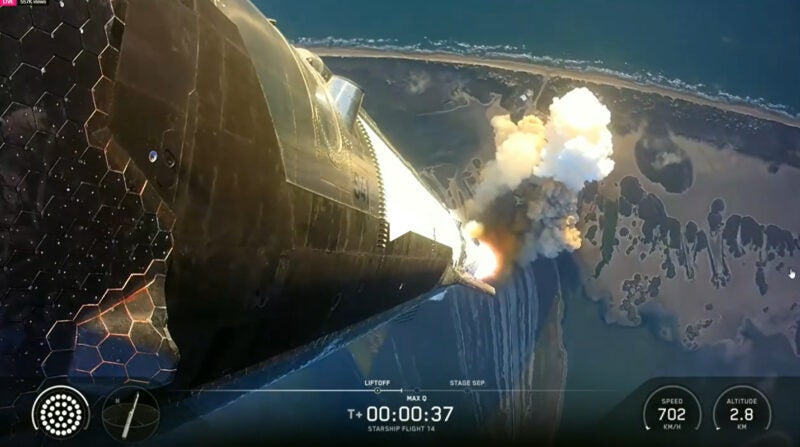
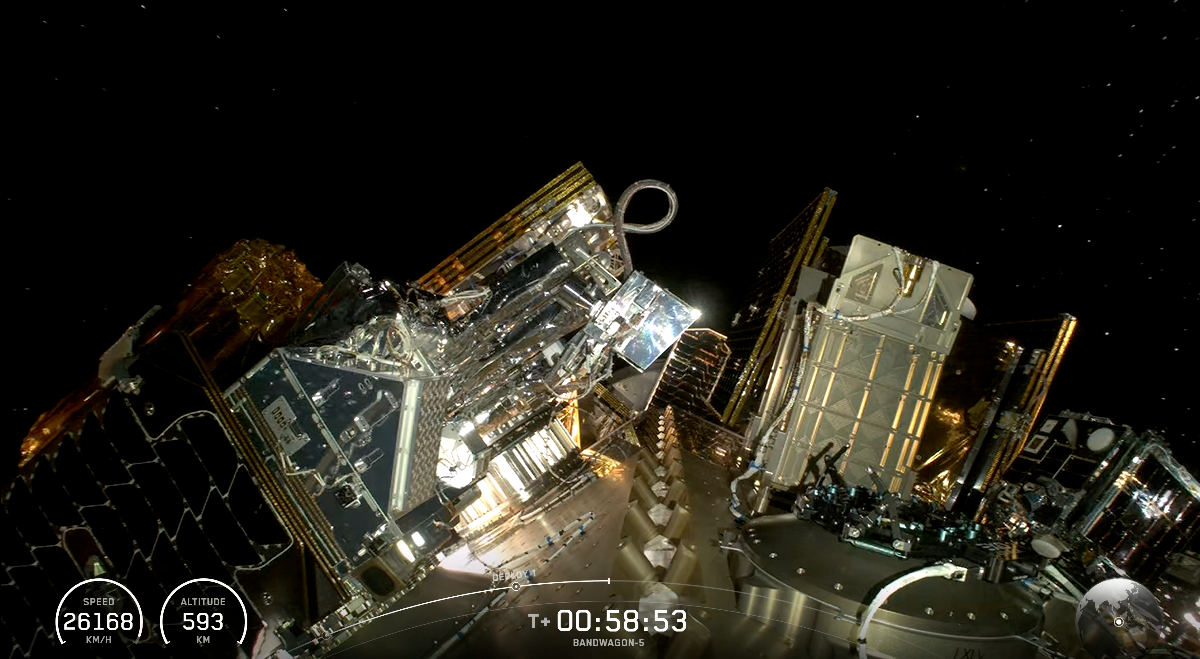
SpaceX launched 32 payloads on a Bandwagon rideshare mission to mid-inclination orbit on Tuesday morning.
This was the fifth Bandwagon mission overall, and the only one so far this year. Bandwagon missions launch to mid-inclination orbit, which differs from the Transporter rideshare missions, which launch to Sun Synchronous Orbit (SSO).
SpaceX launched the mission on a Falcon 9 rocket early on Tuesday, lifting off from Cape Canaveral Space Force Station in Florida at 7:04 a.m. ET. SpaceX confirmed post-launch that all rideshare payloads were deployed.
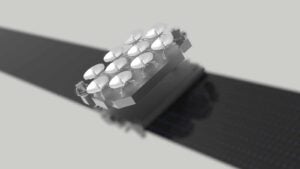
Xona Space Systems was the largest customer on the mission with six satellites. Two of which were built in-house and four satellites built by Aerospacelab. This launch sets Xona up to begin its commercial navigation service.
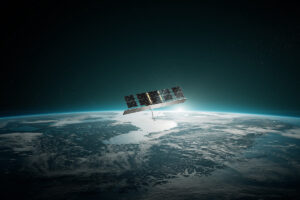
The mission also launched an important first for Portal Space Systems, the Starburst-1 maneuverability spacecraft, set to demonstrate rendezvous and proximity operations (RPO).
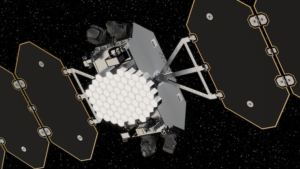
Planet Labs flew one Pelican satellite onboard the mission. In addition, SES Space & Defense flew a demonstration payload on Pelican-12 satellite for NASA’s Communications Services Project (CSP). The satellite will complete a relay demonstration with SES Space & Defense for CSP.
Also related to NASA CSP is Viasat’s Maxwell satellite, built by Rocket Lab. Viasat will use the satellite to test high- and low-rate relay services
The mission included a number of sensing satellites, including two satellites for weather tech company Tomorrow.io and a trio of satellites for HawkEye 360. PlanetiQ launched its GNOMES-11 satellite to expand the company’s GNSS-RO observations for weather forecasting.
It also included a cubesat for Spanish company FOSSA Systems, a satellite for Turkish company Fergani, and two microsats for Taiwanese company Tron Future Tech.
The mission included synthetic aperture radar (SAR) satellites for a number of providers including two Acadia SAR satellites for Capella Space; two satellites for Umbra; and four satellites for Iceye.
Impulse Space flew LEO Express 4, its fourth Mira mission. The mission has no customers onboard and is intended to test upgrades to Impulse’s technology.
The Bandwagon mission also included a return capsule from Varda Space Industries and a return capsule for SpaceX’s own new microgravity lab, Starfall
The mission also included a pair of satellites, Sirius-B and Sirius-A, manifested by Exolaunch, where it is not clear who the operator is.