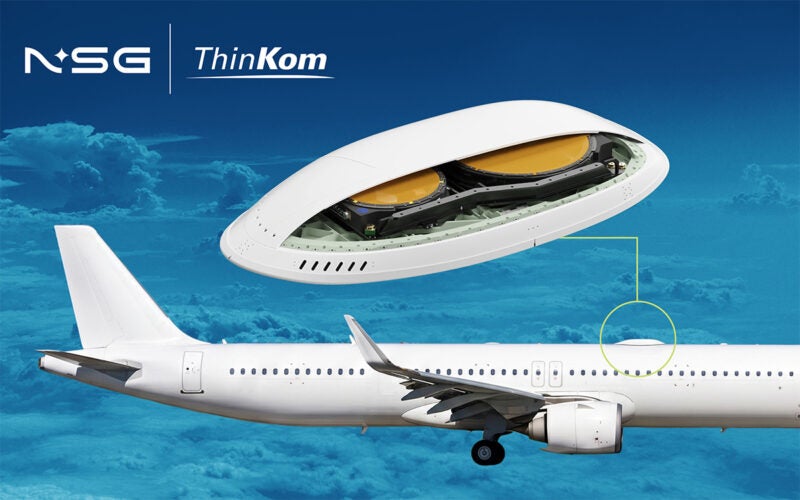

Iridium is fully acquiring its partner Aireon, which operates a space-based air traffic surveillance system using payloads on Iridium’s network.
Iridium, which already owned a 39% stake in Aireon, will acquire the remaining portion of the business for $366.7 million in a deal announced Thursday.
Iridium co-founded Aireon with global air navigation service providers (ANSPs) — NAV CANADA, AirNav Ireland, ENAV, the United Kingdom’s NATS, and Denmark’s Naviair. The company operates the only space-based Automatic Dependent Surveillance-Broadcast (ADS-B) air traffic surveillance system, which is operated via payloads on the Iridium Next constellation
The company tracks 190,000 flights per day, and 93 countries use the company’s service for air traffic control surveillance, Aireon CEO Don Thoma told a press briefing on Thursday.
Iridium and Aireon see an opportunity to invest in data analytics and AI to build new services for its air navigation service providers, airlines and OEMs, and the defense and intelligence community, Thoma said.
Iridium CEO Matt Desch said the acquisition will unlock value and growth in aviation safety, which is one of Iridium’s four pillars for growth.
One future potential area of growth is space-based very high frequency (VHF) communications, which would extend pilot-to-controller VHF services over oceans and in remote airspace, when planes are outside the area of ground infrastructure.
The companies have explored this area separately and will now be working together. Aireon, for example, announced a year ago it was doing development work on a constellation of up to 20 satellites in equatorial orbit to provide space-based VHF services.
Desch said Thursday that Iridium is considering ways to launch new missions before the next generation of Iridium using less expensive satellites, and VHF is a potential use case for that type of deployment.
Thoma said that Aireon has filed a license for space-based VHF and is considering a pathfinder approach.
“That would allow us to not only prove out the space-based VHF concepts that we have, but also look at how we best and most efficiently integrate it into a next-generation satellite system,” Thoma said. “We’re now going to step that up with the Iridium team and explore what are those options to potentially move quicker, but there are no specific dates associated with that.”
According to Iridium, the purchase price will be paid 50% at closing and 50% on the one-year anniversary. Iridium will also assume the company’s debt, totaling $155 million. The deal is expected to close in early July.