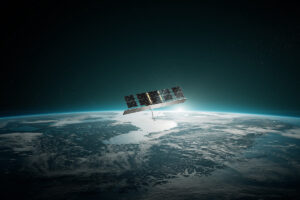
As space becomes more foundational, with everything from communications to compute moving to space, startup satellite manufacturer K2 Space aims to meet large demand for high-powered satellites.
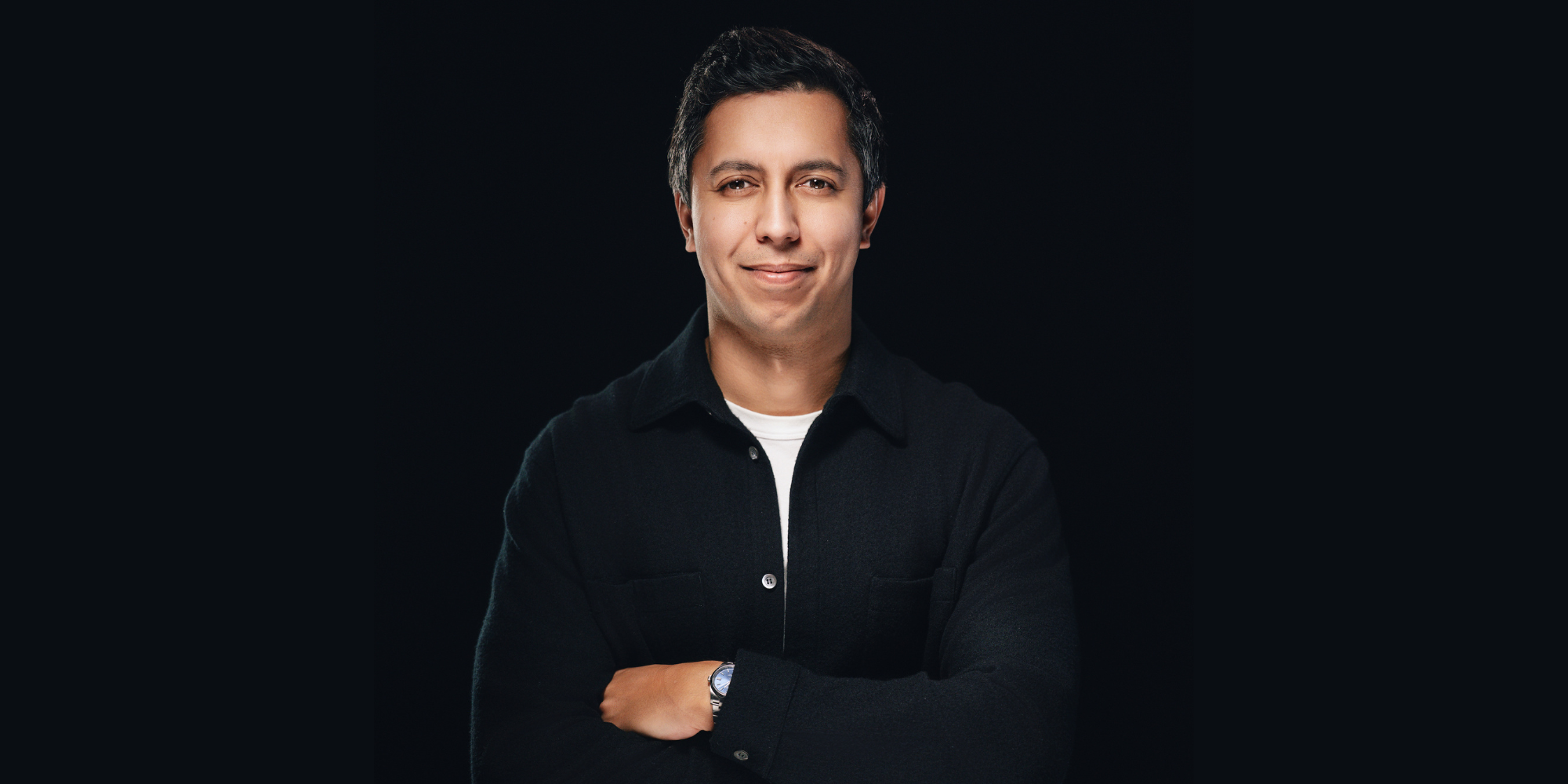
In July this year, the company completed a $500 million Series D funding round that values the company at close to $7 billion. With this latest round, K2 has cumulatively raised over $1 billion in capital and secured over $1 billion in signed commercial and government contracts. It is a meteoric rise for the satellite manufacturer founded just four years ago. Via Satellite recently spoke to K2 Space CEO Karan Kunjur about what the future holds.
“You are seeing military infrastructures be dependent on space capabilities, and our goal is to be in the center of that,” Kunjur says. “We are building a super robust, super high-performance platform that can host multiple different applications across different orbits. Different customers are using it for different applications. Our intent is to be in the middle of as large of a percentage of economic activity in space as possible. There is a lot left to do. We are very early in our journey.”
Kunjur says the latest funding round represents a new stage.
“This round is not based on hype and hopes and dreams — now it is very much based on multiples of revenue. You can see the valuation jump reflects the next 12-month growth in revenue that we are seeing,” he says.
Scaling Up
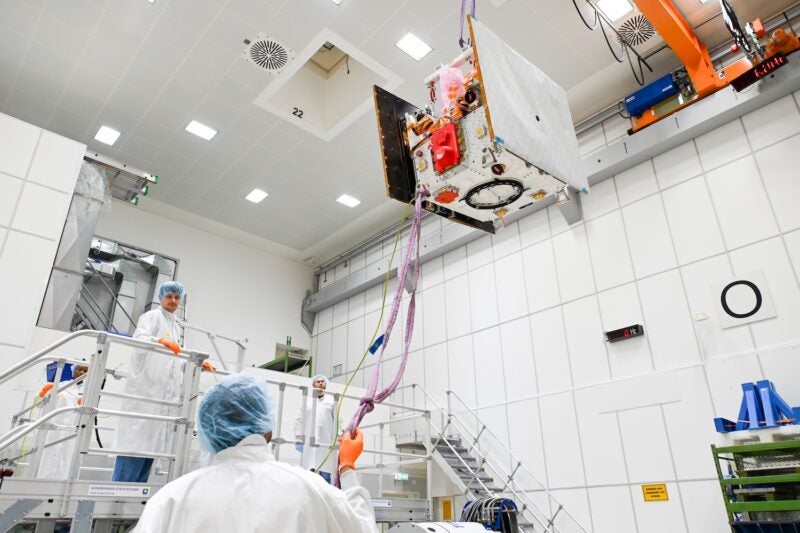
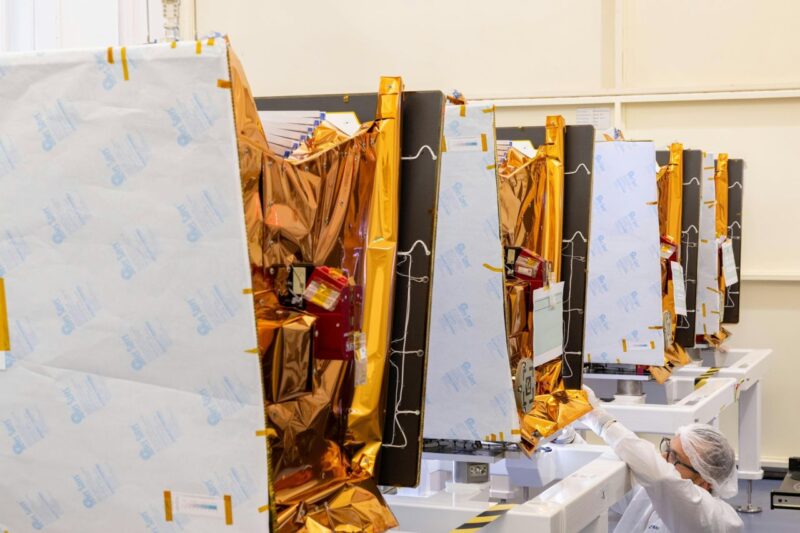
The company ultimately wants to be in a position to build around 100 satellites a year in its first factory, although Kunjur admits it will “take a few years” to get to this point.
As space becomes more of an infrastructure play, Kunjur expects to see demand from communications and eventually compute as that scales up into the 2030s for many high-powered satellites. In the late 2030s, Kunjur says he expects the demand to come from what he calls “more sci-fi stuff.”
“But I am not building my business based on that,” he said. “We are focusing purely on communications, compute, and national security. From our numbers, there is more than enough demand for the capacity that we have today and the capacity that we are going to be building after,” he says.
While he says the company could optimize to be profitable solely in the platform business “very quickly,” he says the goal is to reinvest capital in the business and add additional capabilities on top of the base platform.
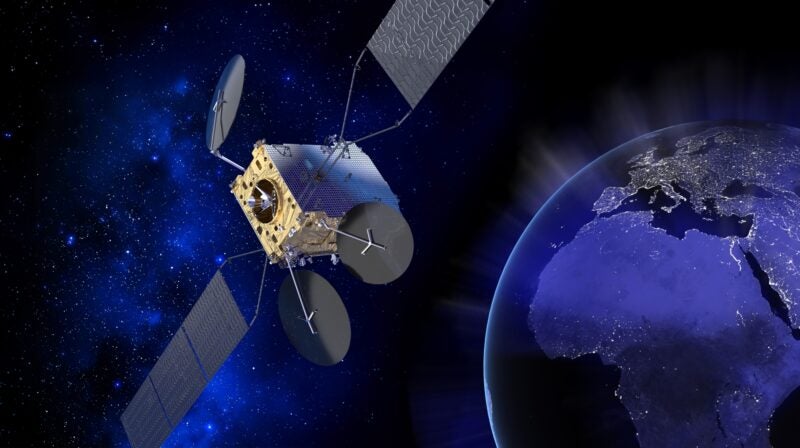
One of the company’s signature deals right now is with SES to build 28 high-power satellite platforms for the initial phase of its next-generation meoSphere in Medium-Earth Orbit (MEO). Beyond SES, Kunjur says the business is “booming” and that the commercial pipeline has been scaling up, along with a number of national security contracts.
K2 Space is tracking about a 50-50 split between commercial and government. “I think we will continue to see a steady cadence of announcements over the next 12 to 24 months,” he adds.
Sovereign Demand
Kunjur points to sovereign demand as one of the more interesting developing parts of the business. He believes these are foundational capabilities. Every country needs to determine how to deliver communications and compute from a resilience perspective, in case globally accessible networks go down.
“Layer on top of the resilience, more performance, higher throughput compute, higher throughput comms on orbit. There is a really interesting play where every single sovereign [nation] is thinking about what their in-space capabilities to address those needs are going to look like,” he says.
The company intends to be in the middle of a number of these sovereign constellations. “If you are looking at a normal sovereign, what they are thinking about is ‘How do I multi-thread this capability? How do I buy something that’s readily available? And then how do I go build it?’ I would like K2 to be in the middle of that second part where we are helping people figure out how to build these capabilities themselves, using our platform.”
Vertical Integration and On-Orbit Compute
In terms of the technology roadmap, K2 Space has ambitious plans to become a more well-rounded tech provider. While starting with a high-power bus platform for any orbit, Kunjur expects the company to move further up the value chain.
“Over time, I think we are going to continue to vertically integrate up the hardware stack, working on payloads that take advantage of that power and do interesting things, phased array antennas, things along those lines,” says Kunjur. “You layer on top of that, continued capabilities that benefit from high power.”
That high-power platform is the basis of its R&D roadmap. The company expects to share more detail about additional capability beyond the base platform over the next six months.
One of the big topics in the industry is computing in space, and companies are racing to meet the level of compute that may be needed. Kunjur addresses the scale of infrastructure in space that would be needed to make a meaningful impact.
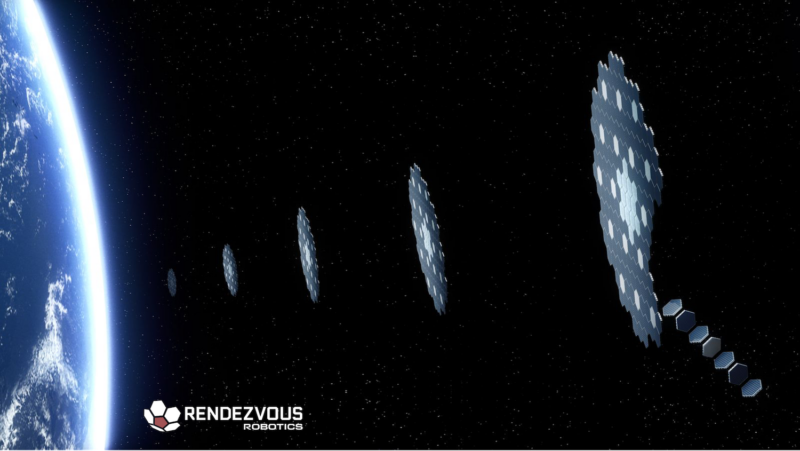
“Even our 20-kilowatt satellite is not actually enough power to be relevant from a compute perspective. Our 165 kW satellite, the Giga, which is the bigger version with all the same components, is where it starts to get interesting — because now you can start to host an entire rack on a satellite. Even then, from a volume perspective, you need to get to hundreds and thousands of these to [orbit to] actually be able to have a meaningful level of compute relative to terrestrial capabilities,” he says.
For this to happen, Kunjur talks about the need for super heavy launch vehicles to scale up.
“They will need to hit a realistic cadence where they are going into the hundreds of launches, and then satellite costs need to be driven down as we drive advantages of scale for super large satellites that are also super low cost. Those two things need to happen. I think they will happen over time,” he says.
From a K2 Space perspective, Kunjur believes the early movers in space-based compute will be national security and sovereign customers that want global access to compute. These customers are less worried about the terrestrial cost of compute as a comparison, and more concerned about having the compute be tied closely to where they need it.
Competing Against Giants
The satellite world has changed hugely over the last few years. Vertical integration is en vogue thanks to the likes of SpaceX and Amazon. How does a company like K2 Space compete against these big players with even bigger pockets? Kunjur says the company chose to take on a hard engineering challenge where it has a niche.
“We are building giant solar arrays, giant batteries. These are super hard engineering challenges. The thruster we just launched is the highest power electric propulsion thruster that has ever been launched, by four times in our estimation. The highest power to date was 5 kW — ours is 20 kW,” he said. “Our target customers are the people that recognize how hard the engineering is, and do not have the ability to go build that entire stack in-house themselves, and want to get capacity on orbit rapidly. I do not see there being any change to the customer base on that front.”
That goes back to the origin of K2 Space, which Kunjur and his brother Neel founded after looking at the issue of power in space.
“The problem with small satellites is power. When all power is generated by solar arrays, the smaller the size, the less power. Our whole thesis was, ‘Can we build really large, really high-power satellites that can be used for applications like communications, compute, and certain national security mission areas that benefit from that power?’” Kunjur recounts.
At the time, people told them that level of power was unnecessary, and how difficult it is to build a large satellite.
“Over the last six months, I think we have proven both of those wrong. There is very clear demand for power in space that looks to be potentially insatiable,” he says. “The question is how do we actually go do this really hard thing multiple times? It is about scaling. Can we spin up the factory to go from a place that produced one to a place that could produce many? It will take a lot of work.”