The European Space Agency (ESA) has awarded more than 500 million euro in funding for the European Launch Challenge between PLD Space, Isar Aerospace, and Rocket Factory Augsburg. ESA also expects to issue a contract to MaiaSpace and said the award process “is nearing completion.”
Isar Aerospace, based in Germany, received the largest award of 197.8 million euro ($230 million), mainly funded by Germany, with contributions by Austria and Norway.
Rocket Factory Augsburg (RFA), another German launcher in development, will receive 186.9 million euro ($218 million), mainly funded by Germany with a contribution from the U.K.
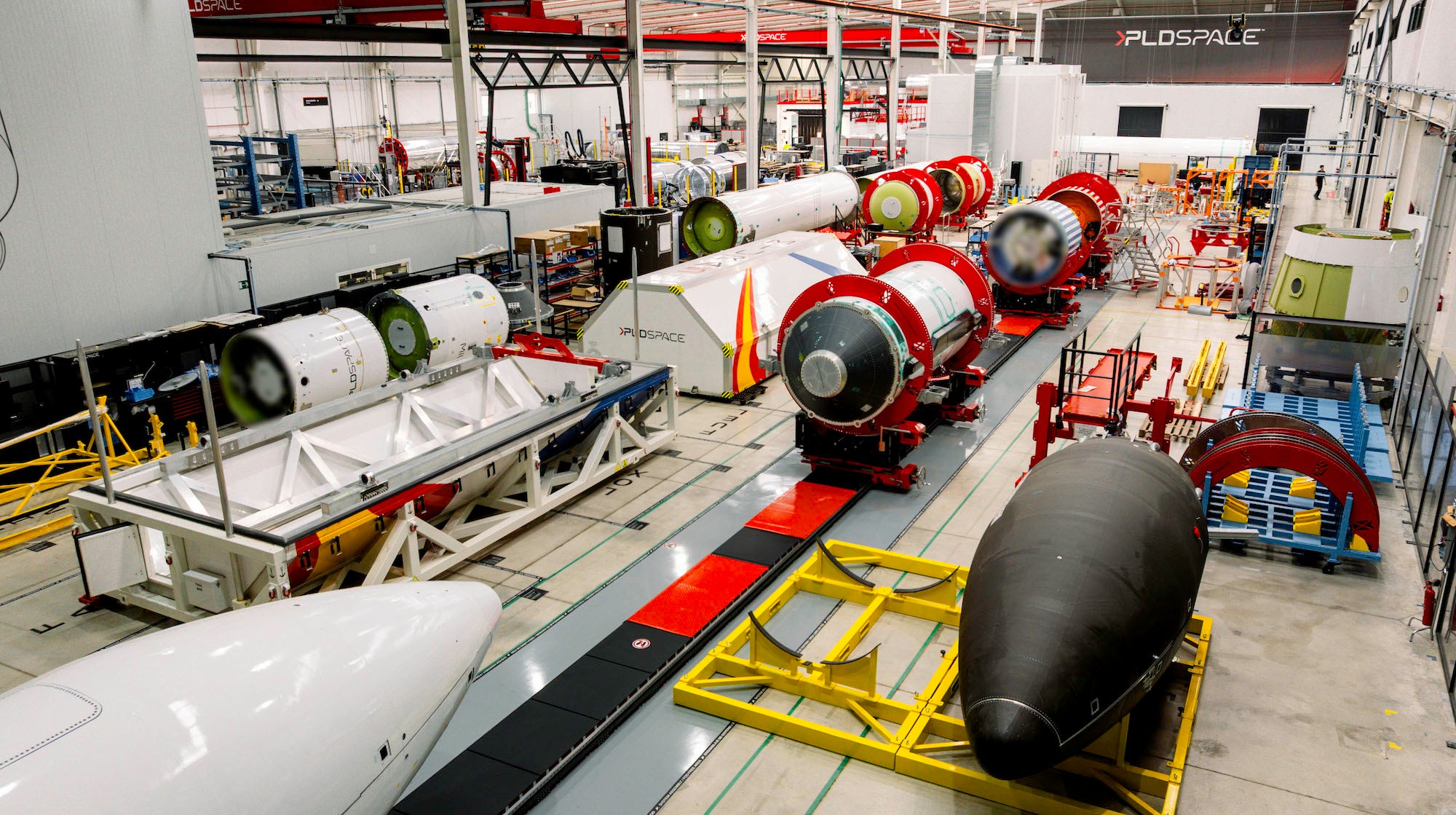
And Spanish launch startup PLD Space will receive 158.9 million euro ($185 million), funded by Spain with a contribution from Germany. ESA announced the awards on Thursday.
The ESA challenge is intended to support emerging European launch services and it gives companies access to ESA support to deploy and improve launch services. Companies will unlock funds as milestones are met and each awardee must achieve an orbital launch before 2028.
“With these contracts, ESA is turning ambition into action. ESA has set the Challenge and created the conditions for new European launch providers to accelerate their ramp-ups and grow,” commented Lucía Linares, ESA’s head of strategy and launches for Space Transportation. “Now it is up to the challengers to prove they can deliver reliable launch services for Europe and compete: getting to space is not easy and never guaranteed.”
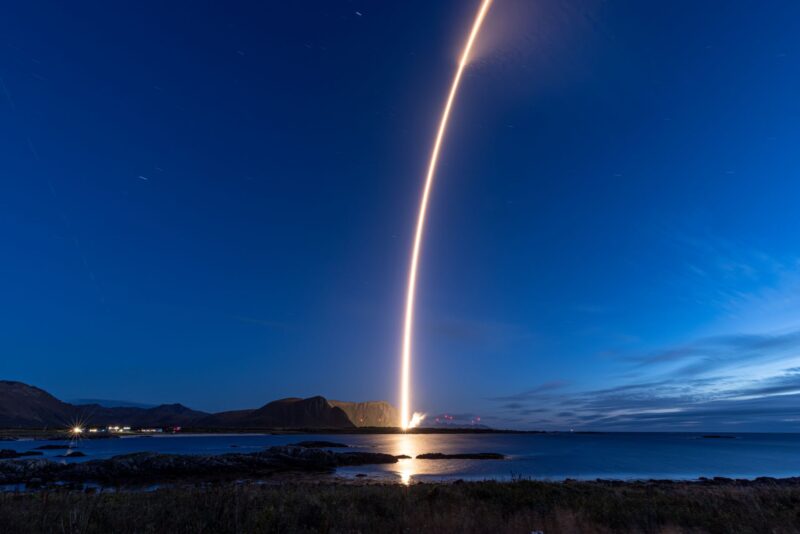
Isar Aerospace said the funds will speed development of its next generation of launch vehicles, expand test and launch infrastructure and support future missions. Isar Aerospace is preparing for its second launch attempt to validate its Spectrum vehicle. Its first flight in March of 2025 was unsuccessful and the company recently stood down from an attempt in June.
RFA said the company will continue to advance technology, industrial readiness, and operational capabilities. The company is preparing to launch the RFA ONE rocket from the SaxaVord Spaceport in Scotland. RFA recently halted a testing campaign at SaxaVord after running into an issue that requires “further investigation.”
For PLD Space, the funds will support the company as it establishes commercial orbital launch service and increasing flight cadence through 2030. It will also support upgrading Miura 5 to serve institutional and commercial missions with greater payload capacity and orbital reach, and to develop propulsive landing capabilities moving toward rocket reusability. PLD Space said the upgrades are part of the roadmap to the Miura Next family of heavy launchers.
In June, PLD Space stated it remains on track for its first Miura 5 launch from the Guiana Space Centre in 2026.
“For PLD Space, this contract is not an isolated milestone. It is part of a disciplined execution path: from demonstrating our technology with Miura 1, to proving orbital capability with Miura 5, developing its upgraded orbital capacity to scale performance and advance reusability, and ultimately transferring those critical technologies to Miura Next,” PLD Space Executive Vice President Ezequiel Sánchez said in a release.