SALT LAKE CITY, UTAH – Impulse Space has three rideshare missions to Geostationary Orbit (GEO) fully booked through 2028 and is looking at increasing the rideshare missions to twice as a year as it aims to open up access to GEO.
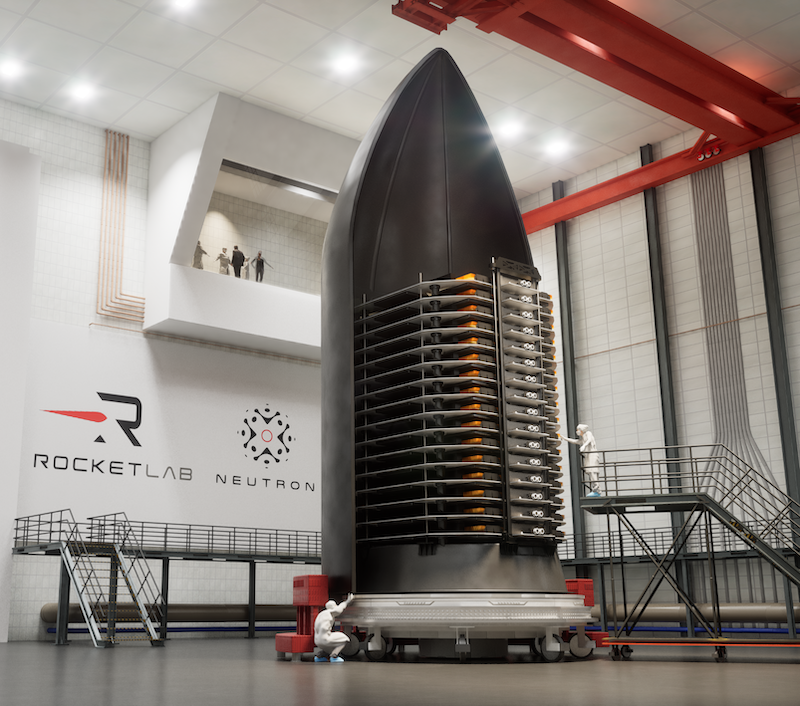
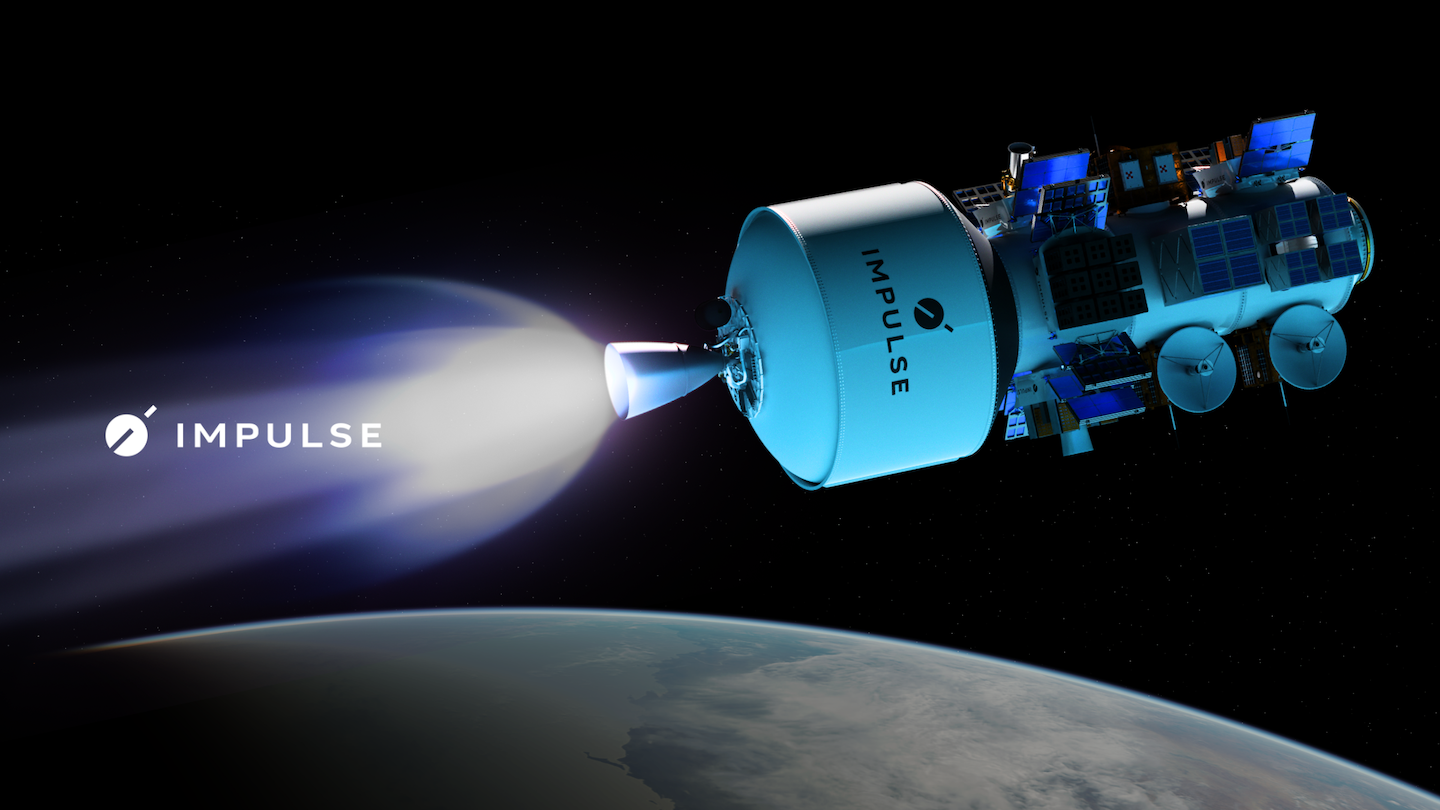
The GEO rideshare program, first announced two years ago, will use the company’s Helios kick stage to take satellites directly to GEO.
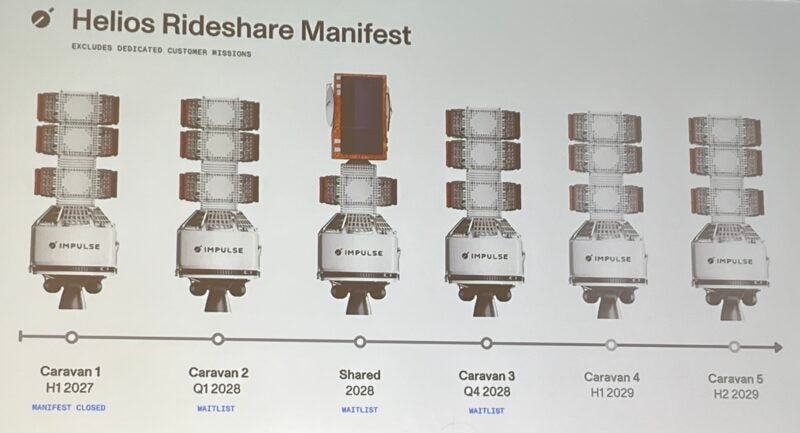
Impulse’s first GEO rideshare mission, Caravan 1, is slated for the first half of 2027. That manifest is closed, according to an Impulse Space briefing during the Small Satellite Conference in Utah. Caravan 2, set for Q1 of 2028 has a waitlist, as well as a shared mission set for 2028 and the Caravan 3 mission for Q4 of 2028.
The company is looking at opening up Caravan 4 in the first half of 2029 and Caravan 5 in the second half of 2029.
“Because we’re seeing this demand, we originally thought that we wanted to do one mission per year of rideshare. We’re going to increase cadence based on demand,” Joshua Rea, commercial sales for Impulse, said Tuesday. “We’re thinking that at the moment, about two rideshare missions per year seems about right. If we need to step it up, then we’ll be stepping it up as well. Into 2029, we’re looking at bringing on a bunch more missions here.”
In addition to the Caravan rideshare missions, Impulse has a number of dedicated Helios missions to GEO already booked. Satellite operator SES, for example, signed on in 2025 for the first commercial Helios mission.
Much of the demand is coming from space situational awareness (SSA), space domain awareness (SDA) and life inspection satellites, as well as scientific payloads and traditional satcom, Rea said. Customer satellite size has ranged from 16U to 1.5 tons.
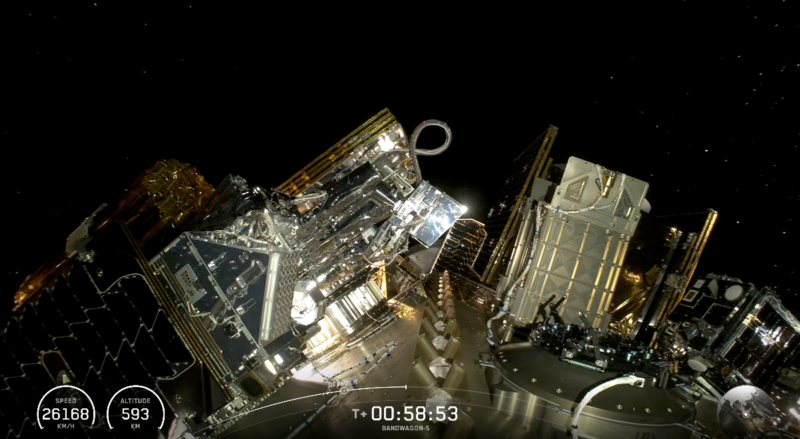
In a mission profile of a Helios mission on a Falcon 9 rocket, the Helios vehicle is dropped off at 160 km altitude, roughly the same as Starlink satellites, Rea explained. The Helios vehicle then performs two burns to reach beyond the GEO orbit. Payloads are to be deployed above GEO within eight hours of launch.
Deploying payloads above GEO ensures everything onboard satellites is working correctly before they drop down to GEO to enter service, Rea said.
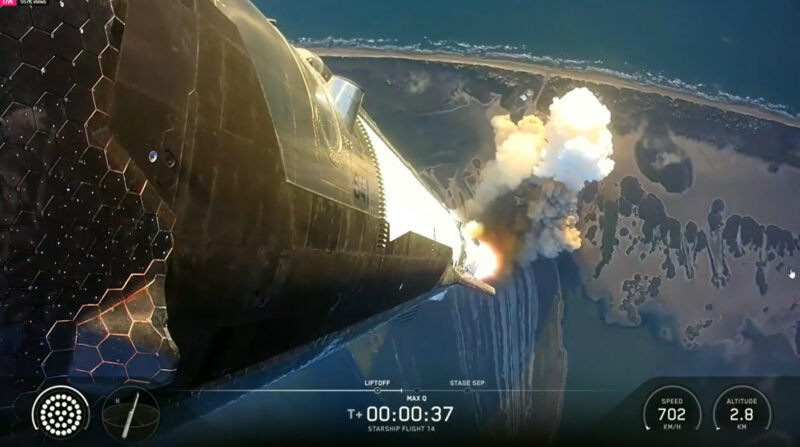
Impulse is also considering launching Caravan missions on rockets other than the Falcon 9. This comes as SpaceX Founder Elon Musk recently confirmed in a statement that SpaceX will “wind down” Falcon 9 to shift engineering and production resources to Starship once Starship is “flying reliably several times per week.”
Launch vehicle choice will depend on availability, Rea said.
“We love SpaceX. Whenever possible, we’re going to be able to take whatever manifest we can fly on SpaceX,” he said. “It’s always been in our business model to be launch-agnostic. So we are running down the path and have already run down the path with a number of different launch providers. Exactly what launch provider for what mission? This is really going to depend on the market frames and manifest availability.”
Impulse Space is led by CEO and founder Tom Mueller, a founding member of SpaceX who designed the Merlin engine.
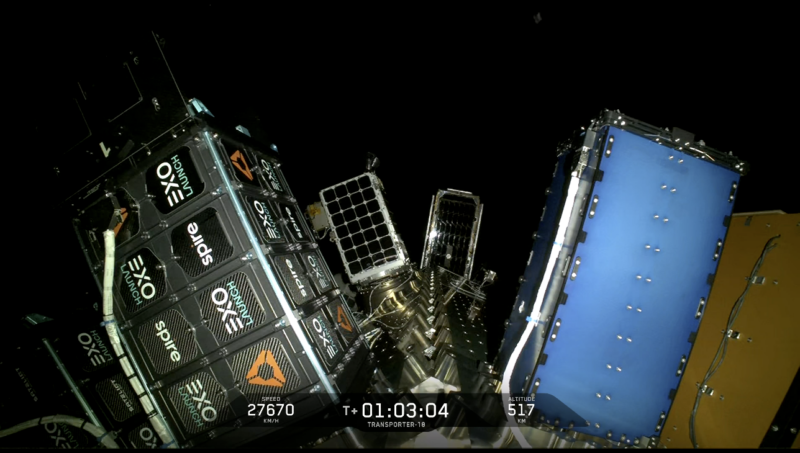
As SpaceX’s rideshare opened up access to Low-Earth Orbit (LEO), Impulse Space is trying to do the same for GEO, Rea said. That comes with its own risk.
“To be fully transparent — it’s a highly risky business. We need to procure whatever the price is of a dedicated rocket, we need to go build a vehicle and then somehow slice and dice this to be able to make our money back,” Rea said. “The margins are low. If someone misses their mission, it’s risky. But we see ourselves as stewards of opening access up to these high-energy orbits, doing the same for GEO and trying to spur on a new set of new space companies.”