COLORADO SPRINGS, Colo. — With various funding mechanisms in place to take advantage of commercial capabilities, Space Systems Command’s (SSC) Commercial Space Office (COMSO) is looking at expanding the Working Capital Fund to include more capabilities, and planning for how to budget the Commercial Space Augmentation Reserve (CASR).
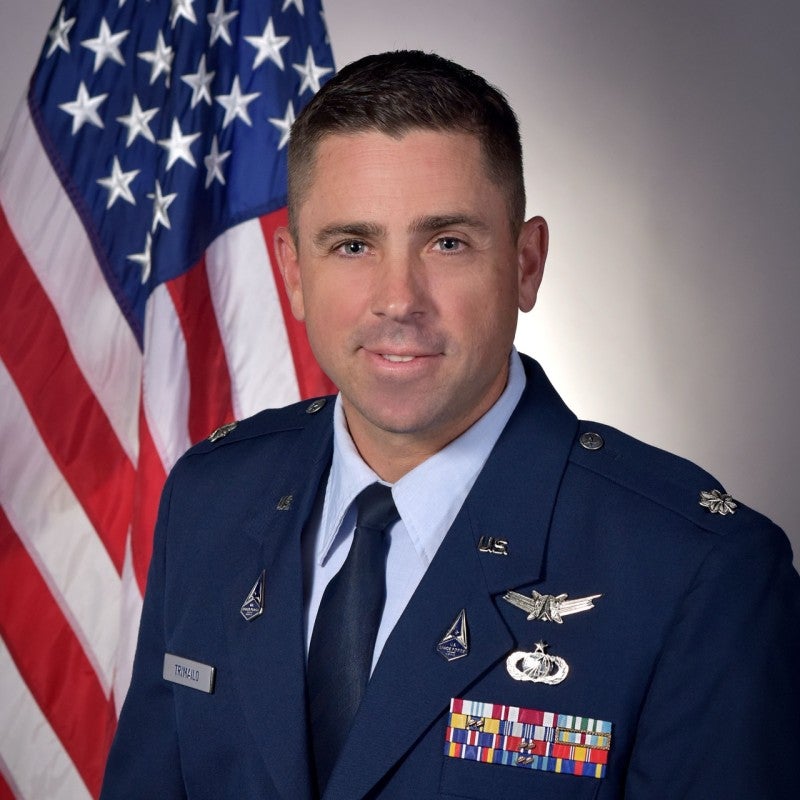
COMSO Director Col. Tim Trimailo spoke with reporters on Wednesday at Space Symposium here. COMSO was established in 2023 to integrate commercial capabilities into the Space Force space architecture.
In October 2025, COMSO established the Working Capital Fund (WCF) for the Commercial SATCOM Communications Office (CSCO), which was previously done under the Defense Information Systems Agency (DISA). The WCF functions as a revolving fund in which customers pay for commercial services.
The WCF could expand in the future to include other commercial capabilities beyond satellite communications.
“Today, we do that for SATCOM. In the future — and it’s probably not this fiscal year, maybe not even this calendar year — we are looking at expanding that Working Capital Fund to other mission areas,” Trimailo said. “I won’t get into which mission areas we’re going to target for that just yet, there’s a lot of candidates. The good news is there’s a lot of programs out there across the Space Force that are interested in taking advantage of this particular tool.”
Trimailo said the WCF functions as a unique financial management tool that helps combatant commands access capabilities with flexibility.
“The idea is, if we can pool resources across multiple mission areas in the future, it gives the Space Force even more flexibility to get good deals for the government and deliver capability faster as well,” he added.
Another initiative from COMSO is the Commercial Space Augmentation Reserve (CASR), dealing with access to commercial capabilities both before and during conflict.
Trimailo said funding for CASR under the Commercial Services program element (PE) is meant to establish frameworks and due diligence and fund initial exercises like wargames, but funding to actually exercise CASR will come from other funding.
“As we look at supply chain risk or foreign ownership and influence, we’re doing all of that under the umbrella of the CASR funding that’s in the Commercial Services PE today. As we look at establishing operational contracts for CASR, it really won’t be funded in that program element,” he said. “Probably the way this is going to look in the future is we’ll have contract options that we can turn on very quickly.”
One consideration is not wanting to dedicate funds for capabilities to be available during conflict, when the next crisis or conflict is unknown, he said.
“We need to still figure out how we are going to budget for the unknowns,” Trimailo said. “I don’t know when the next crisis or conflict is going to happen. How do we plan for that without overdoing it and adding money to the budget for something that might not happen this year?”
COMSO this year is expected to make its first award under CASR beginning with space domain awareness. Those first operational contracts will come out of the Commercial Services PE, Trimailo clarified.