A new space domain awareness (SDA) software for the U.K. government is now operational, six months ahead of schedule. The new software, called Borealis, improves tracking of satellites and space debris for the UK Ministry of Defence and the UK Space Agency.
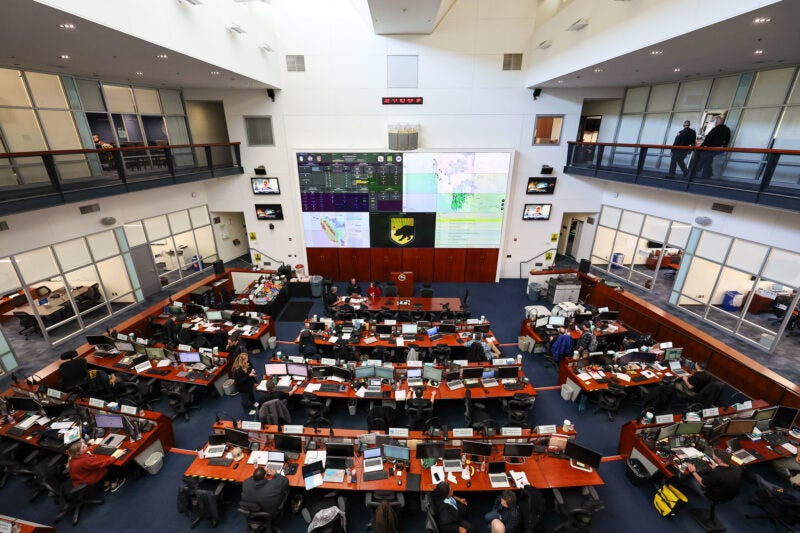
The MoD announced initial operating capability for Borealis on May 22. The system is being deployed in the National Space Operations Centre, which delivers the UK’s space surveillance and protection mission.
“Space is now a contested domain. Protecting our satellites from adversaries keeps our economy moving and keeps us all safe. As we increase defence spending we are investing in new defensive capabilities in all domains, including U.K. space-based capabilities,” Luke Pollard, minister for Defence Readiness and Industry, said in a statement.
IT firm CGI was the prime contractor on Borealis with a 65 million pound ($87 million) contract for the software, as part of greater investment from the U.K. in space capabilities.
CGI commented that the system was delivered by a team of more than 100 engineers and provides users with increased automation, new and improved visualisation tools, additional data sources, and more accurate orbit determination.
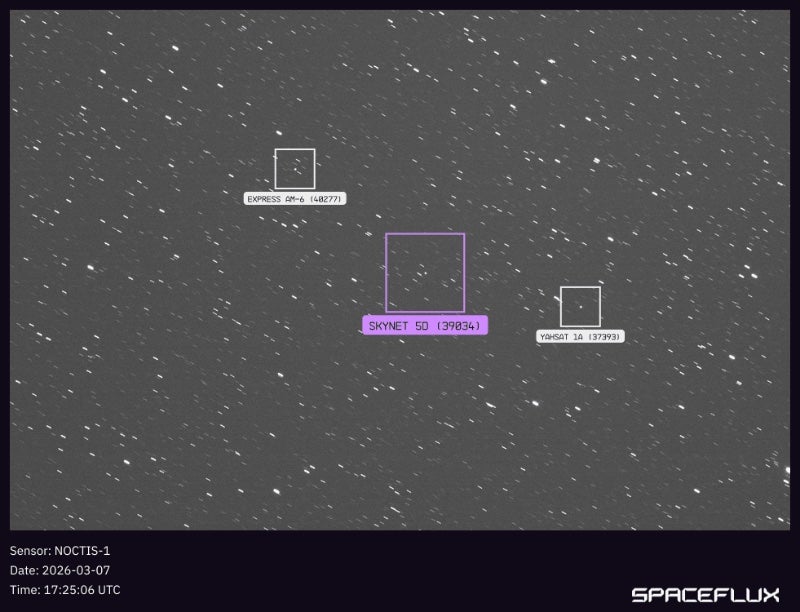
In addition, the U.K. released the first images from the Noctis-1 military telescope, formerly called Nyx-Alpha. Data from this telescope will be incorporated into the Borealis system. A second telescope, Noctis-2, is also in the works.
“Noctis-1, with Noctis-2 swiftly to follow, will provide us the sovereign eyes we need to augment our space domain awareness. Data is the coin of the realm in space operations. Borealis exploits edge software to make sense of the vast amounts of information we ingest and then model actionable choices to my operators in the National Space Operations Centre. Together, they represent a significant enhancement to the UK’s space capability,” UK Space Command Commander Maj. Gen. Paul Tedman said in a statement.