The FCC issued approval for startup Reflect Orbital to launch a demonstration satellite that will test a solar reflector in orbit that’s designed to reflect sunlight back to Earth.
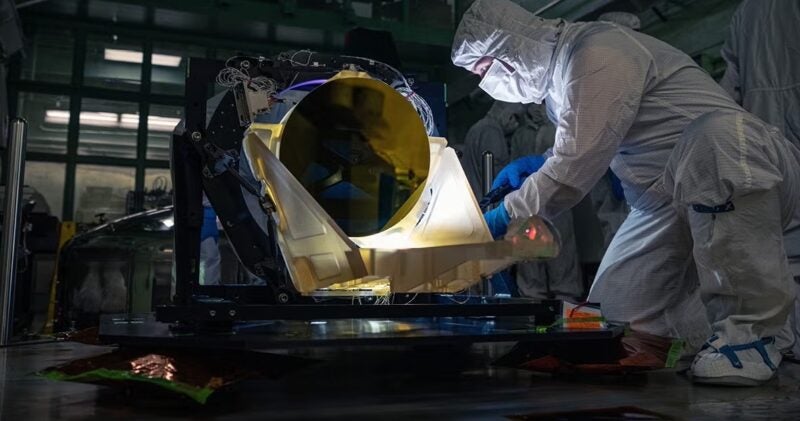
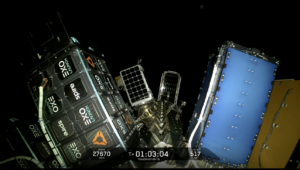
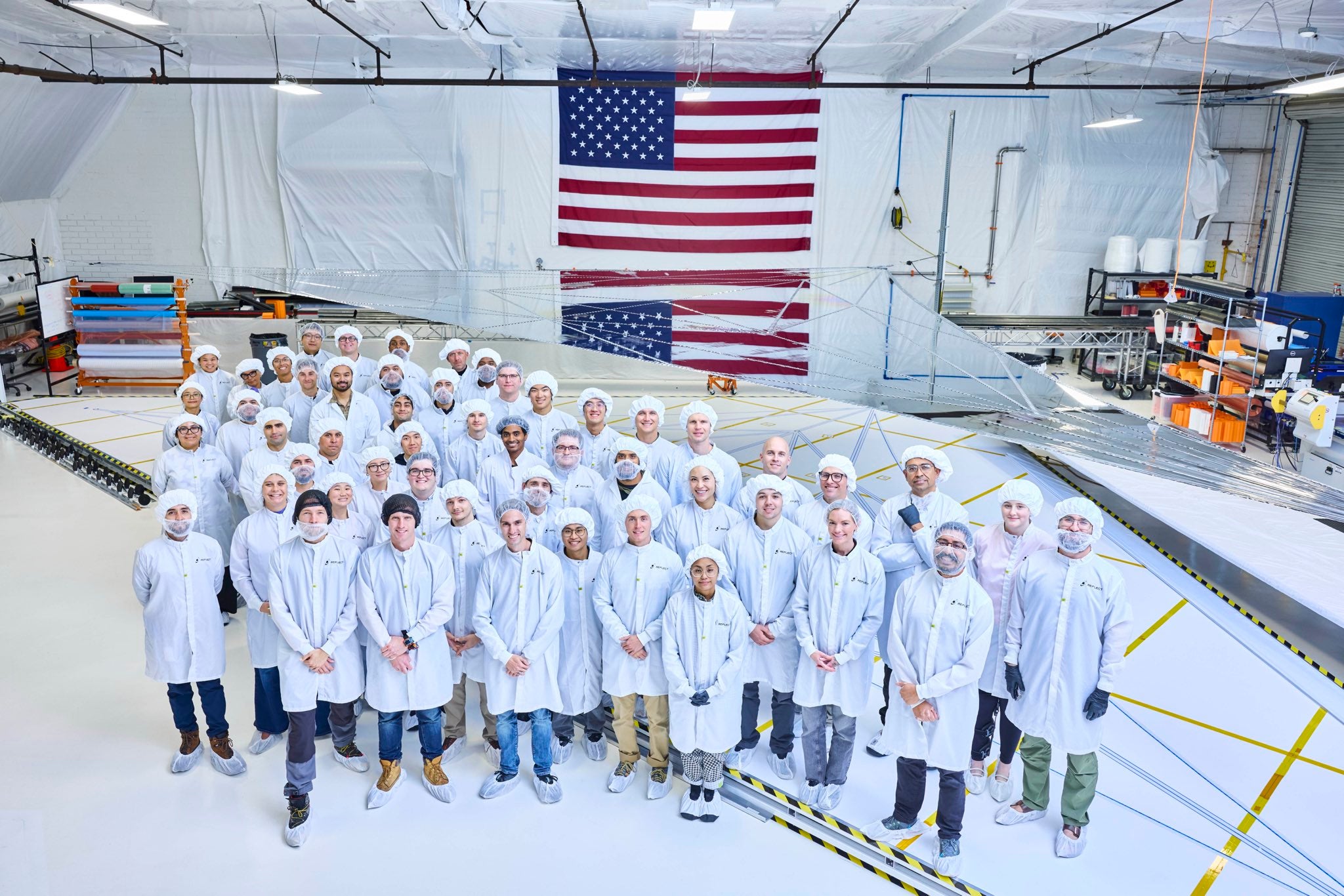
The company is preparing to launch a Earendil-1 satellite with “deployable, highly specular thin-film reflector” designed to redirect sunlight from orbit to specific locations on Earth. Reflect Orbital said it expects the mission to launch later this year, and it will be the first of several test missions.
The FCC granted the approval on July 9, calling it an example of a “potentially groundbreaking technology” that is in public interest to approve. The application drew nearly 2,000 comments to the FCC with concerns about the harm the satellite or a future Reflect Orbital constellation could cause.
“We’re grateful to the FCC for recognizing the importance of testing novel technologies in space,” said Ben Nowack, co-founder and CEO of Reflect Orbital. “This license is the first step toward rigorously testing our technology’s efficacy and the safeguards we have developed. We’re excited to demonstrate how our technology works and to introduce transformative, clean technology the world urgently needs.”
Commenters had concerns about the impact to professional and amateur optical ground- and space-based astronomy and stargazing, to concerns that the satellite may cause glare that could harm the public, pilots, and automobile drivers. Some of the groups that submitted comments include the American Astronautical Society, Aviation Safety Stakeholders, DarkSky International, and the Royal Astronomical Society.
The FCC decided to dismiss the objections that are based on Reflect Orbital’s long-term plans for a larger constellation, arguing this is a single test satellite.
“Earendil-1 is a single satellite and a limited, short-duration technology test exercise designed to evaluate the feasibility of Reflect Orbital’s proposed concept and to identify any challenges associated with future iterations of the technology,” the FCC said in the approval. “The results of this single-satellite mission will inform whether the concept is viable and will assist the company, its prospective customers, and other stakeholders in assessing any future larger-scale deployment.”
Reflect Orbital said it is commissioning independent, third-party research on the impact of its technology, and working to develop a coordination agreement with the National Science Foundation.
“The company is committed to ongoing dialogue with scientists, astronomers, environmental researchers and any community that has a legitimate interest in how its technology develops,” the company said in a statement.
Reflect Orbital, which raised $20 million a Series A round last year, believes its technology would create a new category of space-enabled infrastructure and could provide lighting for remote operations, defense, civil infrastructure, and energy generation.