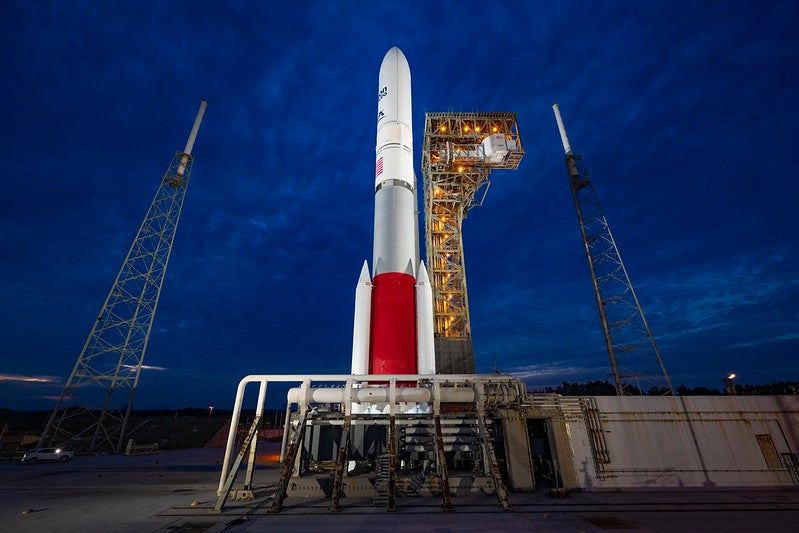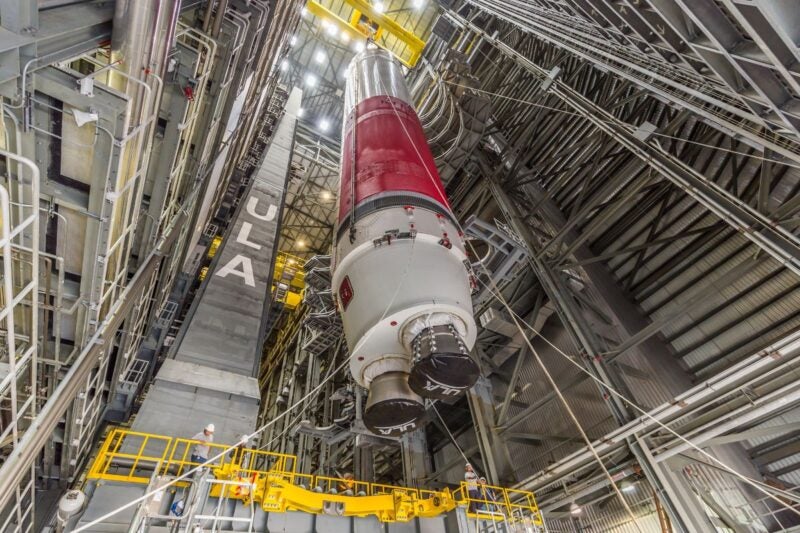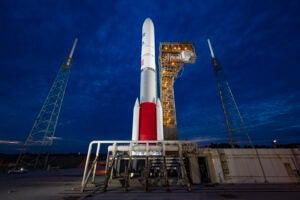
ULA reported Wednesday that its preliminary review of the weekend launch failure shows the anomaly was due to the vehicle supplying inadequate fuel to the BE-4 engines, not the engines performance.
ULA stated all indications show that the engines operated as planned — the RL10 engines built by Aerojet Rocketdyne, the BE-4 engines built by Blue Origin, and the solid rocket boosters built by Northrop Grumman. The solid rocket boosters used in the mission were upgraded after an anomaly in Vulcan’s February flight.
The launcher said it lost telemetry approximately 10 minutes into flight, but the review has shown that the vehicle had low booster performance shortly after liftoff, and when stage separation took place it was already low in altitude and below the velocity needed to reach orbit.
“Preliminary indications are that the low booster thrust was the result of inadequate fuel supply from the vehicle to the BE-4 engines, not from the performance of the engines,” ULA said in a Wednesday statement.
The Federal Aviation Administration (FAA) has initiated a mishap review of the failed launch.
ULA’s preliminary review is positive news for Blue Origin, as the BE-4 engines are also used in its New Glenn vehicle. New Glenn is currently grounded after the launch pad explosion during a hotfire test in late May.
Blue Origin has stated that the anomaly stemmed from an issue with the main oxygen valve on one of the BE-4 engines. Blue Origin completed qualification testing on the modified valve in early November, and stated that the modified valve has already been incorporated into engines slated for upcoming flights.
After ULA issued the update on Wednesday, Blue Origin CEO Dave Limp issued a statement. “Sunday’s outcome was disappointing for everyone involved. In these moments, it’s important to have strong industry partnerships. I’m proud of the BE-4 team for their rapid response and support of ULA’s investigation. We’re confident in the team at ULA and look forward to Vulcan’s return to flight.”
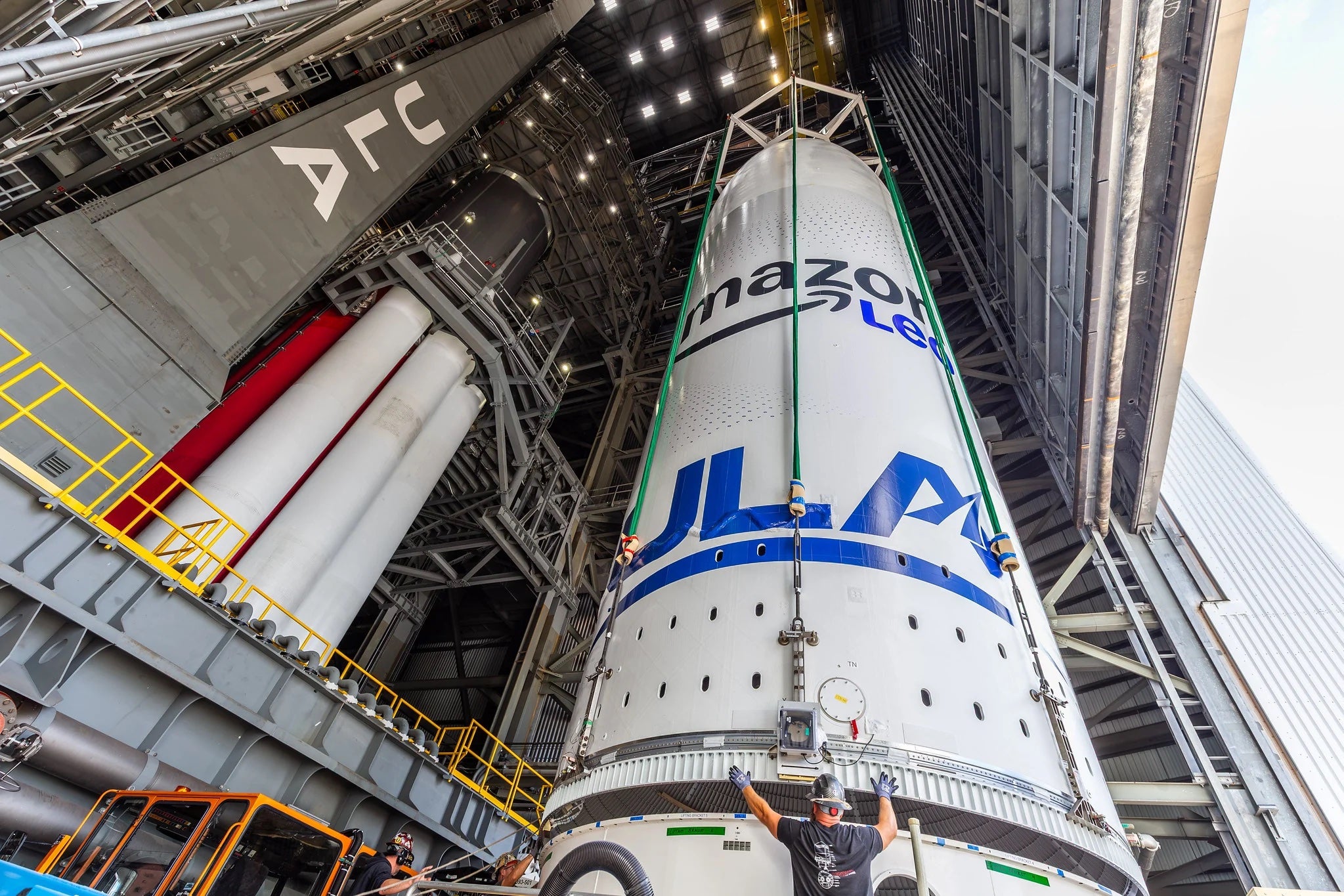
The Sunday failure was the first full failure for United Launch Alliance, a joint venture between Lockheed Martin and Boeing. It was Vulcan’s return to flight after a monthslong grounding, and the first Vulcan mission for Amazon Leo. It lost 40 satellites for Amazon Leo, as the constellation prepares to start service.
The launch was the first of 38 planned Vulcan rocket launches for Amazon, following eight missions for Amazon Leo with the Atlas V rocket.
Amazon Leo is set to launch new satellites in the next few days on an Ariane 6 mission operated by Arianespace, targeted for Nov. 23.