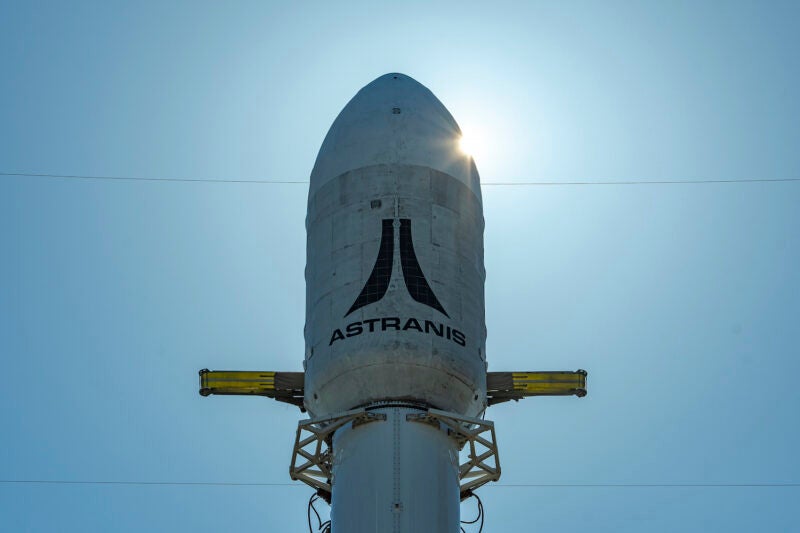
Elon Musk’s SpaceX has made payload fairings for its rockets, including Falcon 9, at SpaceX’s Hawthorne, California plant, and now competitor United Launch Alliance (ULA) is bringing its fairings build in house as well — an effort that may achieve savings from vertical integration of manufacturing.
ULA, which is the prime for the Vulcan Centaur, said on Wednesday that it has forged an agreement with Beyond Gravity USA, Inc., to move production, sustaining engineering and development work for Vulcan’s payload fairings and composite structures from that company to ULA.
“Upon closing of this agreement, before the end of the year, this work currently done by supplier Beyond Gravity will be transitioned to ULA,” the alliance said.
ULA President and CEO Mark Peller said in the Wednesday statement that ULA is “continually looking for opportunities to vertically integrate products we have historically purchased from a supplier” and that “bringing this production work in-house allows for us to drive our processes, maintain our high quality, improve efficiencies and continue to reduce the costs of our rockets to our customers.”
Beyond Gravity said that it has built fairings for ULA for more than 20 years and that, since 2017, has leased 400,000 square feet of space at ULA’s Decatur, Alabama, site for fairing manufacture. “More than 300 Alabama-based Beyond Gravity employees will be offered employment and have the opportunity to join the ULA team once the agreement closes,” the alliance said. “The first ULA produced fairing is scheduled to fly on a mission in 2027.”
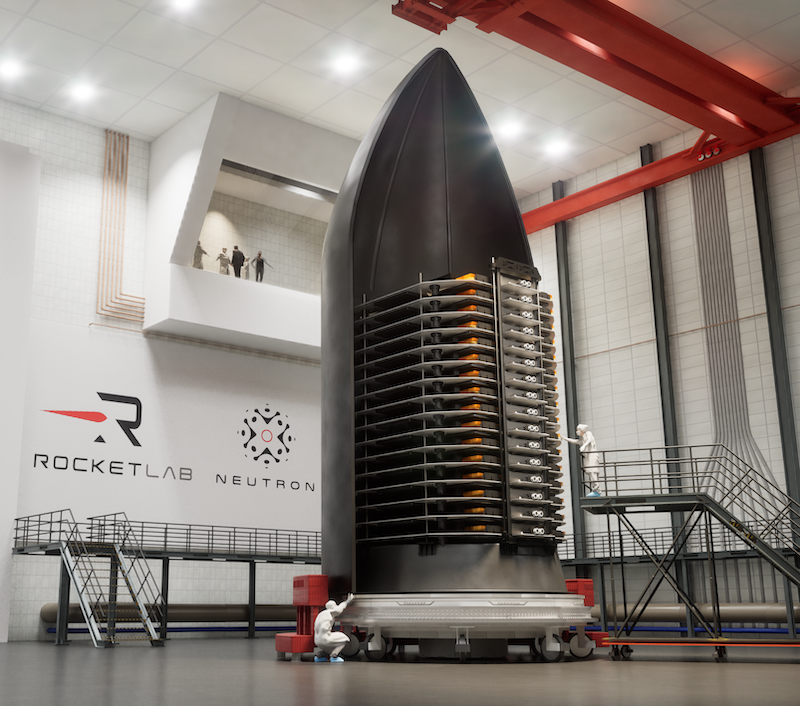
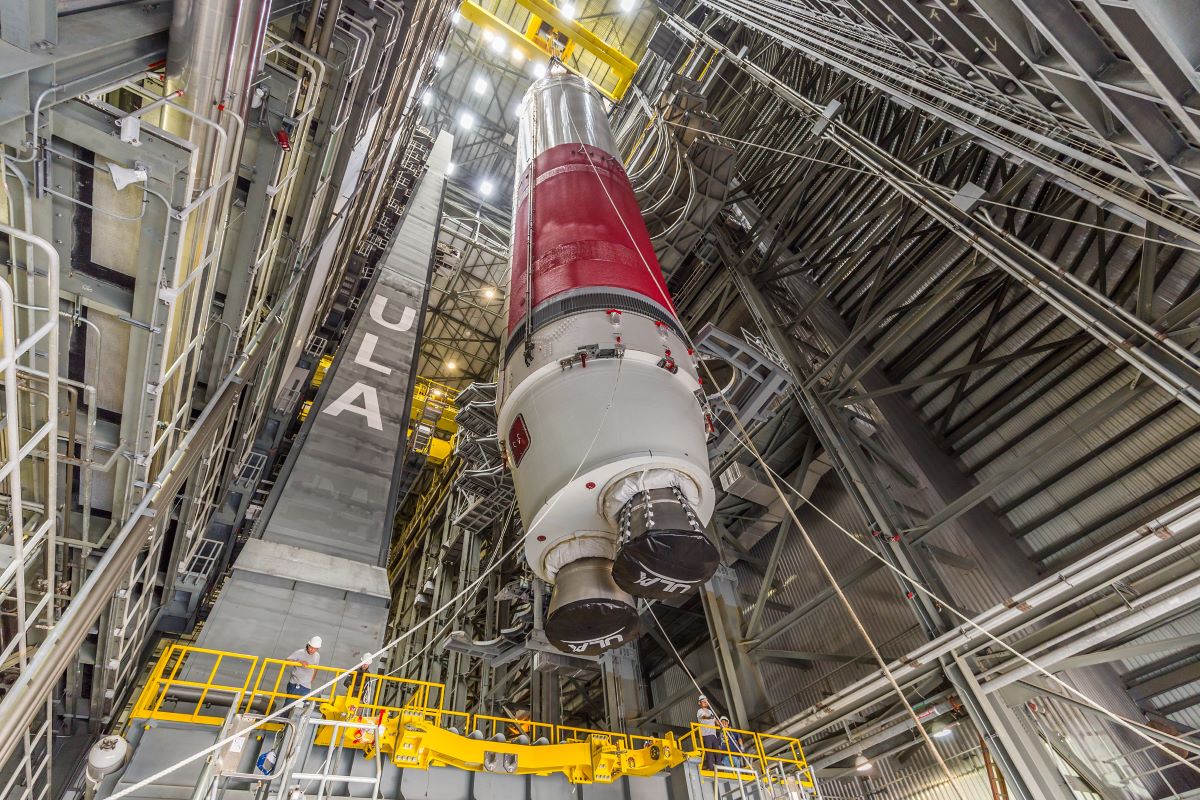
Vulcan’s payload fairing “provides a controlled, safe environment for spacecraft during ascent,” according to the alliance. “All ULA fairings are configured for off-pad on to enhance payload safety and security and minimize on-pad time. The fairing is a bisector (two-piece shell) sandwich composite structure. It is 5.4-m- (17.7-ft-) in diameter and is available in the 15.5-m (51-ft) standard and 21.3-m (70-ft) long configurations. The fairing separates using a debris-free horizontal and vertical separation system.”
“In addition to the fairings, other composite structures including the heat shields, payload attach fittings and the inter-stage adapters would also be made by ULA as part of this agreement,” ULA said on Wednesday.
Last year, there were 193 orbital launches in the U.S. — 85 percent on SpaceX rockets, according to BryceTech.
In February, the Space Force suspended launches of Vulcan under the National Security Space Launch (NSSL) program while the service investigates and fixes an “anomaly” related to the Northrop Grumman GEM-63XL solid rocket motor, and in March the service said that it was switching the rocket planned for the GPS III-8 mission from Vulcan Centaur to SpaceX’s Falcon 9.
That anomaly surfaced on Feb. 12 before Vulcan Centaur, in its second NSSL launch, deployed two Northrop Grumman-built Geosynchronous Space Situational Awareness Program (GSSAP) satellites — GSSAP 7 and 8, also known as Hornet 7 and 8 — into orbit during the USSF-87 mission. On Feb. 12, Space Force noted the anomaly early in the flight when an irregular plume emerged from one of the rocket’s four solid rocket motors.
In October 2024, in Vulcan’s second certification test flight, the rocket had a booster anomaly that set back ULA’s plans to launch USSF-106 and USSF-87 before the end of that year.
Thus far, Space Force has switched six NSSL missions from Vulcan to Falcon 9 or Falcon Heavy. Vulcan’s commercial return to flight is scheduled on Nov. 13, as the rocket is to lift 40 satellites for Amazon’s LEO broadband constellation, formerly Project Kuiper, from Cape Canaveral Space Force Station in Florida.