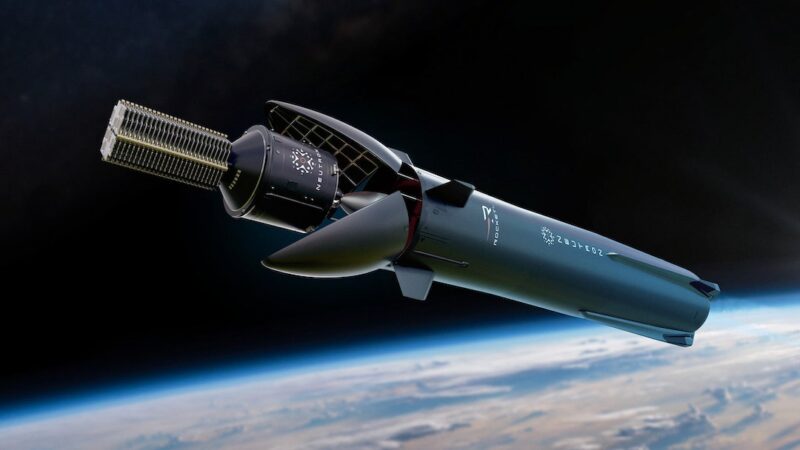
AST SpaceMobile is taking launch access into its own hands, with plans to build its own 20-ton rocket to deploy its direct-to-device constellation, using engines from Firefly Aerospace.
The company announced plans for the “Blacklift” rocket on Friday, designed to launch five BlueBird satellites per launch, targeted to start missions in late 2028.
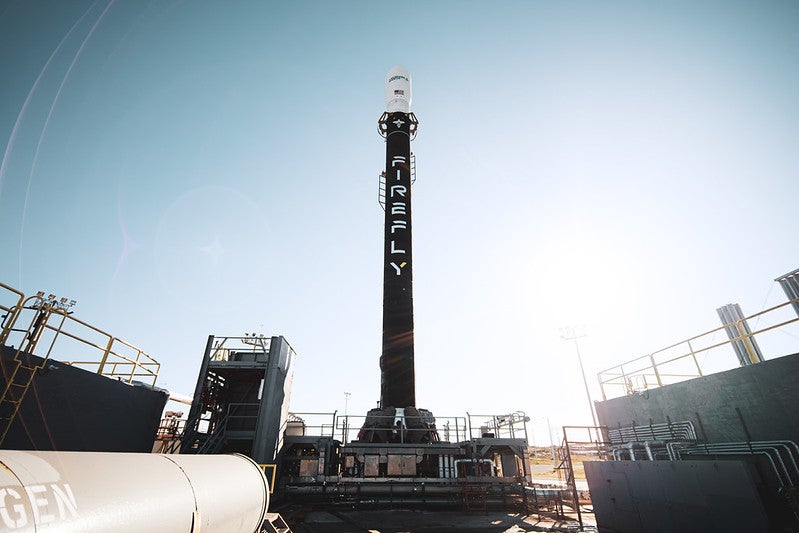
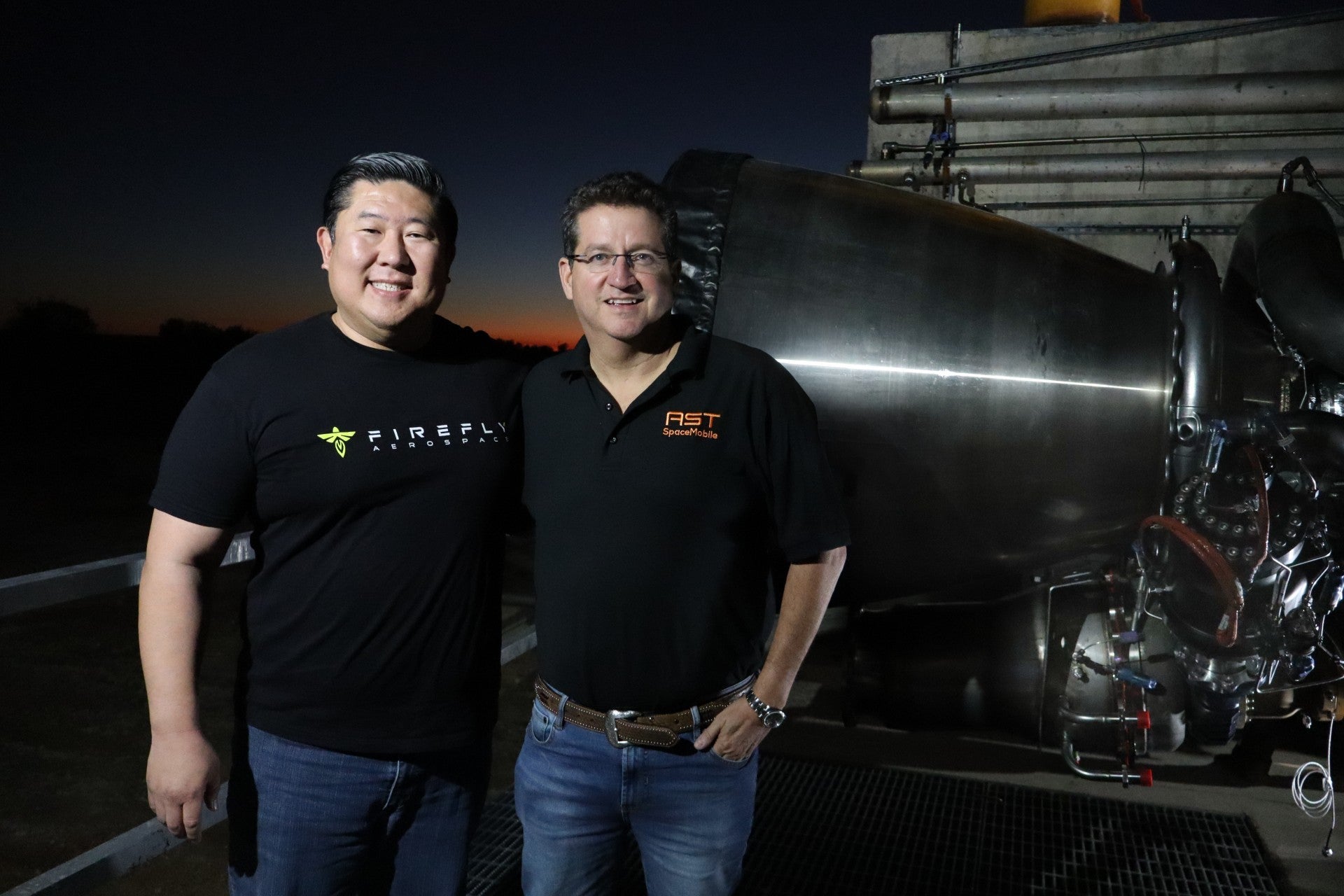
In an interesting partnership, AST SpaceMobile will purchase rocket engines from Firefly Aerospace — 27 Miranda engines and nine vacuum-variant Vira engines to build the first three rockets. AST SpaceMobile will also acquire a perpetual license to manufacture these engines.
The companies called the agreement “non-competitive.” Firefly will retain full ownership of its engine intellectual property.
Firefly Aerospace CEO Jason Kim called it a “bold transformation deal.”
“When a company sets out to build its own rocket, the engine is the hardest, highest-stakes decision they make, and AST SpaceMobile chose to partner with Firefly for its most powerful rocket engines. It’s a true win-win for both companies,” Kim said in a statement.
The deal is valued at more than $1.3 billion in a mix of cash and stock. Under the terms of the license agreement, AST SpaceMobile will pay approximately $400 million in cash up front and 10 to 14 million shares. It will then pay $250 million for the delivery of engines for its first three rocket launches and $250 million over a three-year period for engineering support services.
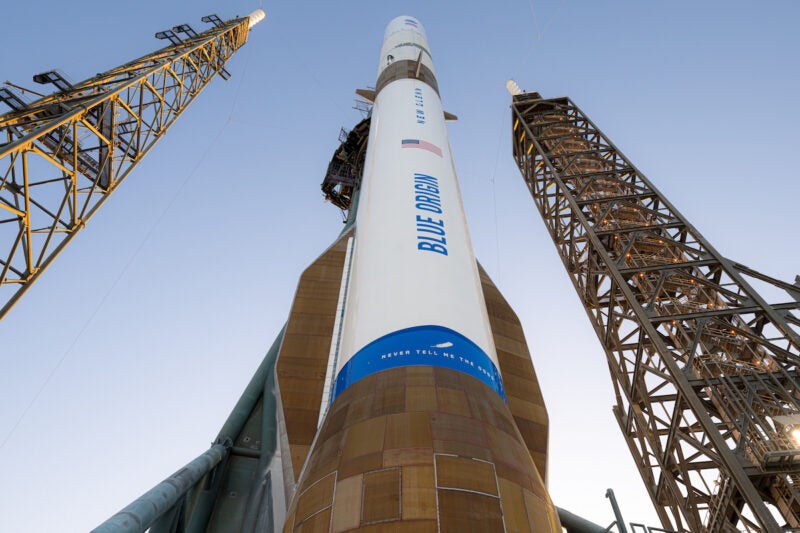
Launch access has stymied deployment of AST SpaceMobile’s direct-to-device constellation. The company expected to hit 45 BlueBird satellites in orbit by the end of this year, but Blue Origin’s New Glenn, one of its main launch vehicles, is out of service. Blue Origin lost one of AST SpaceMobile’s commercial satellites when the first commercial New Glenn mission in April placed it into the wrong orbit.
In July, AST SpaceMobile said it was looking into vertical integration to deal with the launch issue and kicked off a capital raise to fund partnerships or acquisitions in this area. The company has a deep balance sheet and had more than $3.7 billion in cash at the end of June.
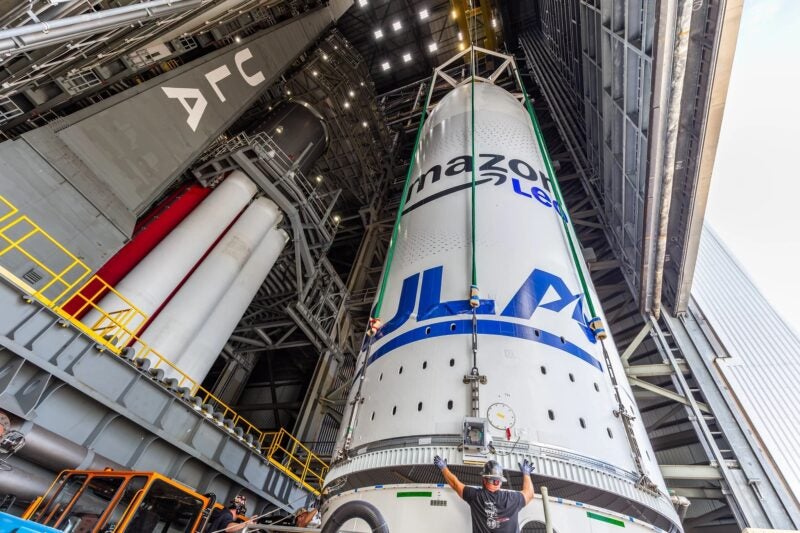
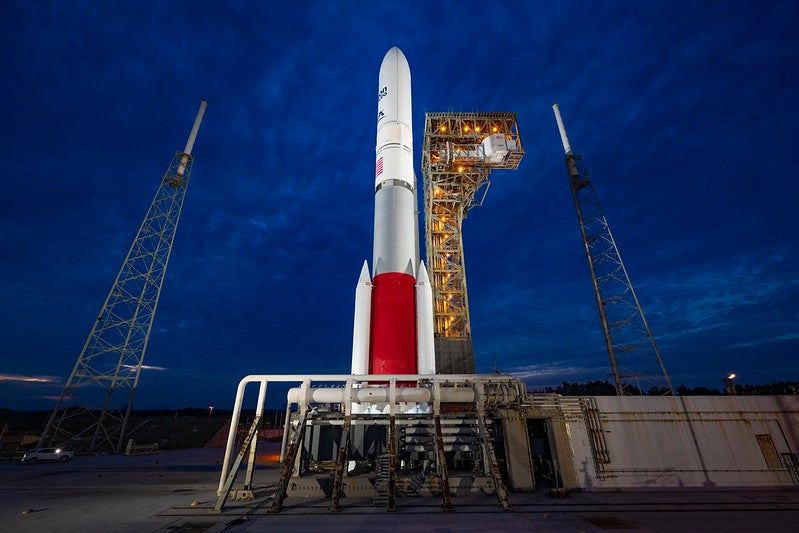
AST SpaceMobile stated it will continue to work with other launch providers and Blacklift will “supplement” this strategy.
“The Blacklift rocket is the springboard to significantly expand our total addressable market, providing AST SpaceMobile with regular unconstrained access to orbit and providing for most favorable owners’ economics in the industry,” CEO and founder Abel Avellan said in a statement.