AST SpaceMobile plans to file an insurance claim for the BlueBird 7 satellite it will lose after a New Glenn vehicle placed it into the wrong orbit on Sunday.
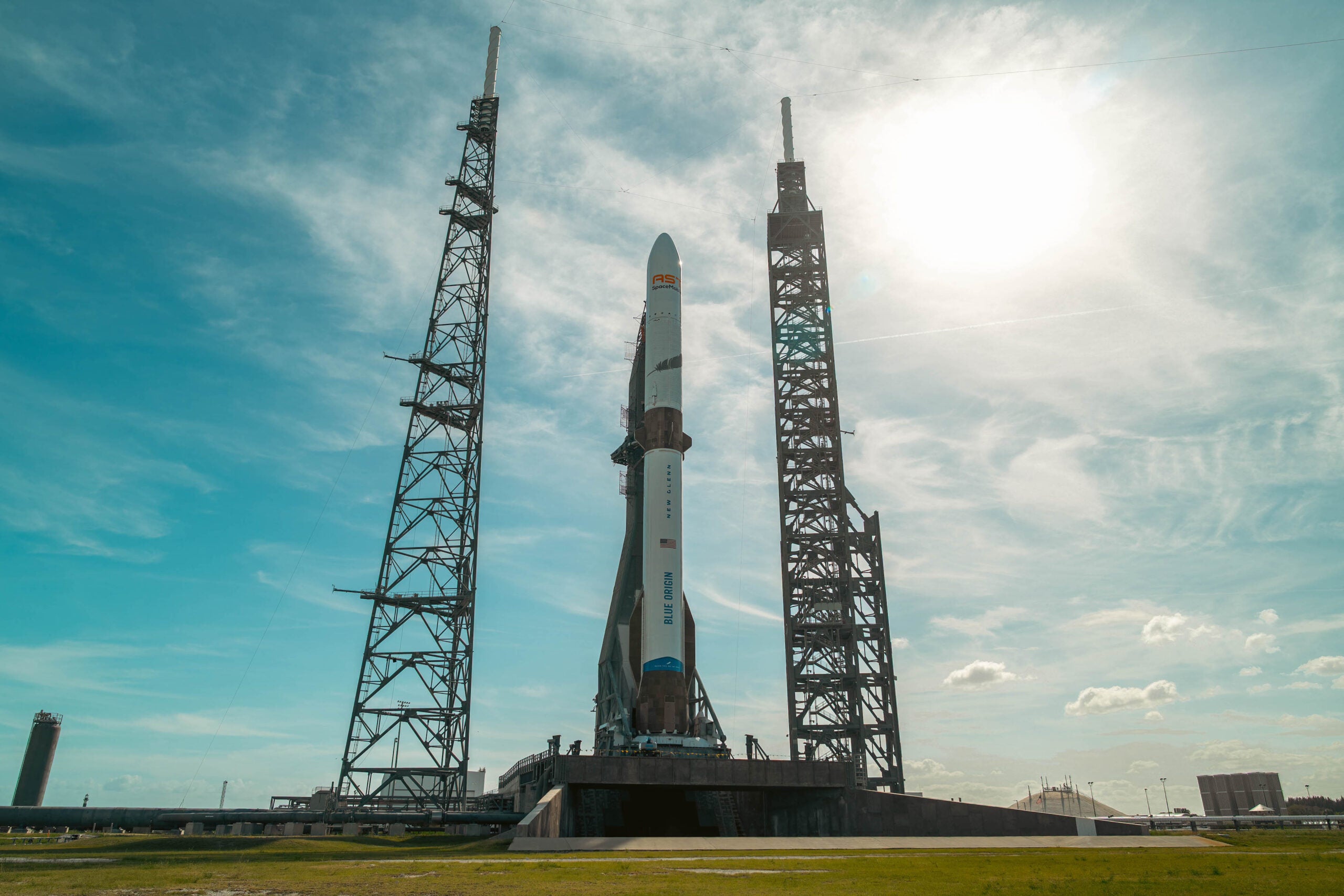
Blue Origin launched a BlueBird 7 satellite for AST SpaceMobile from Cape Canaveral Space Force Station taking off at 7:25 a.m. EDT. The mission lifted off as expected, and Blue Origin successfully recovered the first stage booster.
But New Glenn’s upper stage did not perform as expected. On Sunday afternoon, AST SpaceMobile said BlueBird 7 was placed into a lower than planned orbit.
“While the satellite separated from the launch vehicle and powered on, the altitude is too low to sustain operations with its on-board thruster technology and will be de-orbited,” AST SpaceMobile said in a statement.
Blue Origin CEO Dave Limp said in a Monday statement that one of the BE-3U engines did not perform as expected on the second burn.
“While we are pleased with the nominal booster recovery, we clearly didn’t deliver the mission our customer wanted, and our team expects. Early data suggest that on our second GS2 burn, one of the BE-3U engines didn’t produce sufficient thrust to reach our target orbit,” Limp said.
A mishap investigation is underway, the FAA confirmed to Via Satellite. As standard with FAA mishap investigations, the rocket is grounded until the FAA determines that “any system, process, or procedure related to the mishap does not affect public safety. ”
This was just the third launch of Blue Origin’s New Glenn vehicle and its first mission for a commercial customer after its debut in January 2025, and NASA mission in November. It is a setback for the launcher as it works to reach a more regular cadence with the vehicle.
For AST SpaceMobile, the mission lost the second of its upgraded BlueBird satellites. BlueBird-6 recently successfully unfurled its array in space. ASTSpaceMobile said it expects the cost of the satellite to be recovered under its insurance policy.
The company’s stock dipped 6% on Monday after the failure.
The company’s stated plan is targeting 45 satellites in orbit by the end of 2026, with a launch “every one to two months on average” as it builds a network to provide broadband connectivity from space.