The Defense Innovation Unit and U.S. Space Force’s Space Systems Command (SSC) have awarded True Anomaly and Northrop Grumman Geosynchronous High-Resolution Optical Space-Based Tactical Reconnaissance (GHOST-R) prototype contracts to deliver “lower-cost” reconnaissance satellites to orbit by 2028 for the Geosynchronous Reconnaissance & Surveillance Constellation (RG-XX).
GHOST-R “leverages commercially developed space vehicles, buses, and electro-optical payloads to deliver high-resolution space-to-space imagery for characterizing resident space objects in GEO,” SSC said on Friday.
GHOST-R is to leverage “rapid prototyping to push the envelope of what commercial tech can deliver to the RG-XX program,” Space Force Col. Bryon McClain, the acting portfolio acquisition executive for space combat power, said in SSC’s statement on Friday.
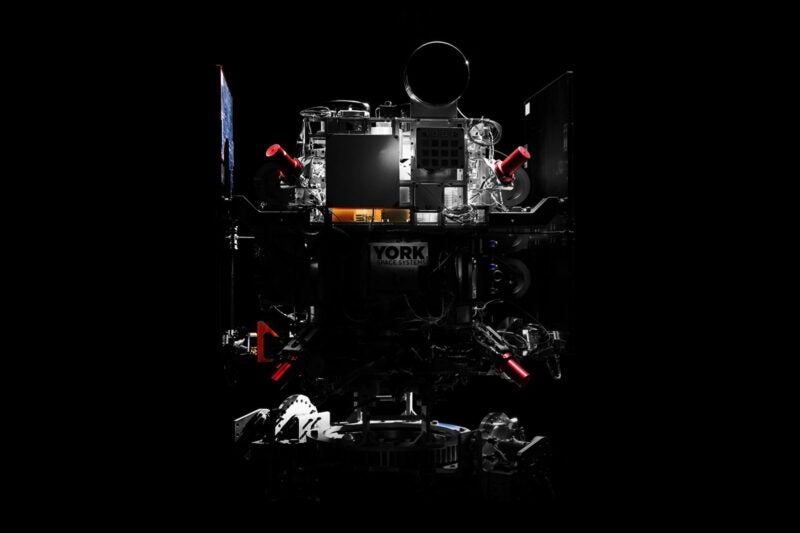
Evan Rogers, the CEO and co-founder of True Anomaly, said in a company statement that True Anomaly’s Jackal prototype will deliver “superior maneuverability, sensing, and autonomy at a price point that enables scale without compromising performance” and that the “reconnaissance architecture can no longer rely on a handful of exquisite assets” but must rely on platforms “with the endurance, flexibility, and agility to respond to the modern operational environment at a price that allows them to be fielded in numbers.”
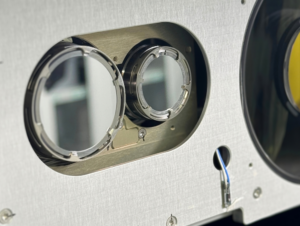
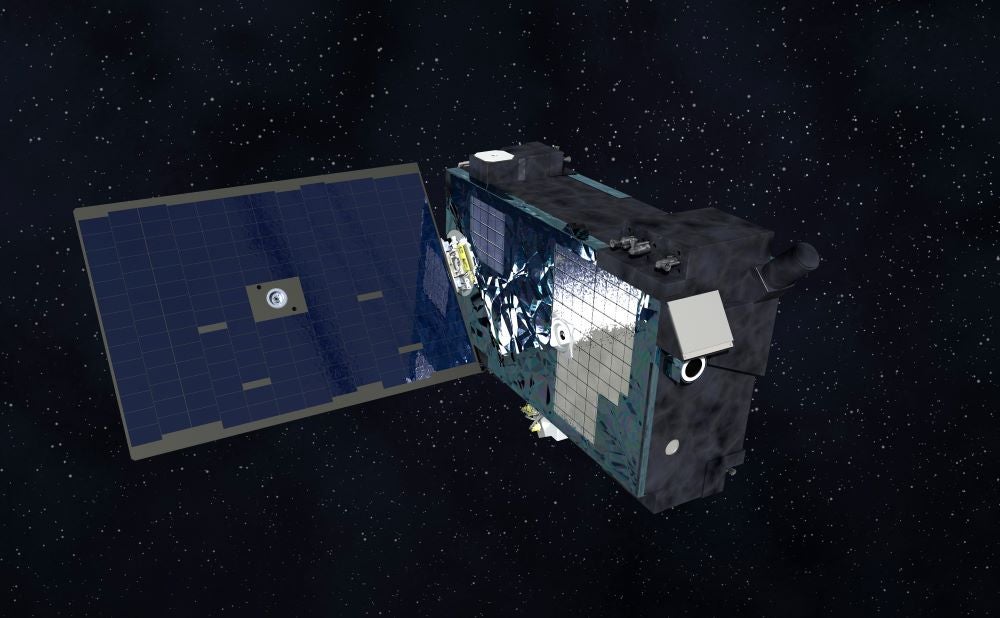
For its part, Northrop Grumman said that it will deliver its GHOST-R prototype “on an accelerated 24-month timeline” — a prototype that will feature the company’s ESPASat-L “small suitcase”-sized spacecraft and a commercial optical sensor by Irvine, Calif.’s TRL-11.
“Space is becoming more congested and contested every day, and our joint forces depend on clear, timely insight into what’s happening on orbit,” Ryan Tintner, Northrop Grumman’s vice president and general manager for space superiority, said in the company’s statement. “By rapidly fielding this prototype, we’re pushing innovation to new heights to strengthen the nation’s ability to detect, understand and anticipate activity in geosynchronous orbit so we can better protect critical space assets and keep the joint force operating with confidence.”
RG-XX is the Space Force’s early space maneuver effort for a large number of satellites. RG-XX is to succeed the Northrop Grumman Geosynchronous Space Situational Awareness Program (GSSAP). In April, SSC awarded 14 companies more than $1.8 billion in firm fixed price “Andromeda” contracts for RG-XX.
Five GSSAP satellites maneuver to conduct rendezvous and proximity operations to monitor and inspect other satellites in GEO, and the RG-XX constellation may be significantly larger.