The FCC is moving toward another C-band auction, planning to vote in July on whether to approve auctioning 160 megahertz of the upper C-band.
Like the first C-band clearing that kicked off in 2020, this would require satellite operators to clear the band by launching new satellites and retrofitting thousands of broadcast or cable headends.
The FCC announced Tuesday its proposal would clear 160 MHz of spectrum in the upper C-band, between 3.98-4.14 GHz. The draft order is set to be released on July 1, with the vote set for July 22.
The FCC indicated Tuesday there will be incentive payments for satellite operators, with a senior FCC official telling reporters the clearing structure is of a similar scope and scale to the first C-band clearing.
When paired with the spectrum cleared from the first C-band proceedings, the clearing will “create a large, ‘super band’ of 440 MHz of spectrum,” FCC Chairman Brendan Carr said during a media briefing on Tuesday. “This sets America up to lead the world in next gen-connectivity, whether it’s 5G, 6G, or other forms of wireless services.”
The FCC has been exploring how to approach this auction since last year, after Congress directed the FCC in the 2025 tax bill to auction at least 100 megahertz in the upper C-band by July of 2027. The FCC considered auctioning up to 180 MHz, and decided on 150 MHz.
Last time around, the FCC landed on a structure to pay “accelerated relocation payments” to satellite operators for moving quickly to clear the spectrum, on top of reimbursing the clearing costs. The winning bidders in the auction paid $9.7 billion in accelerated relocation payments to satellite operators, mainly SES and Intelsat.
The FCC’s Tuesday release said the total incentives will be less in total than during the first C-band auction, but “roughly commensurate” with the lower amount of spectrum being cleared this time. The FCC will not publicly release specific dollar amounts for costs, incentives, and rebates until the July 22 vote.
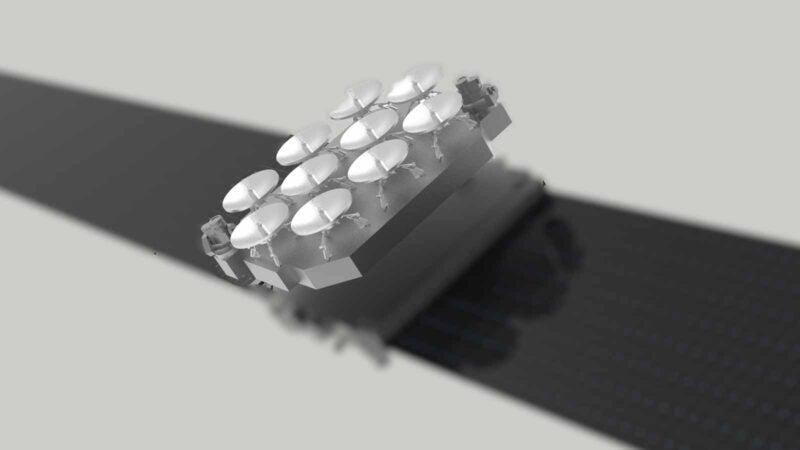
SES estimates that clearing the upper C-band will cost $3.6 billion, with $150 million in contingencies. The operator recently detailed the expected costs to the FCC, explaining the clearing will take five new hybrid Ku-band satellites and two in-orbit backups. SES is already negotiating contracts for the satellites and subsequent launches.
In addition, SES also said the process will require around $777 million of new integrated receiver decoders (IRDs) for earth stations in parts of the United States to mitigate rain fade with Ku-band.
Eutelsat told the FCC in June it estimates that clearing its services from more than 130 MHz of the upper C-band would cost approximately $750 million.
This proceeding also involves the aviation industry, as it will require installation of new radio altimeters on tens of thousands of airplanes and helicopters. The FCC worked with the FAA on the impact to the aviation industry.
The FAA said in a statement that it will issue a rule later this summer to require aircraft altimeter upgrades “to ensure altimeters can safely operate with signals from the 5G wireless signals that will be auctioned.”