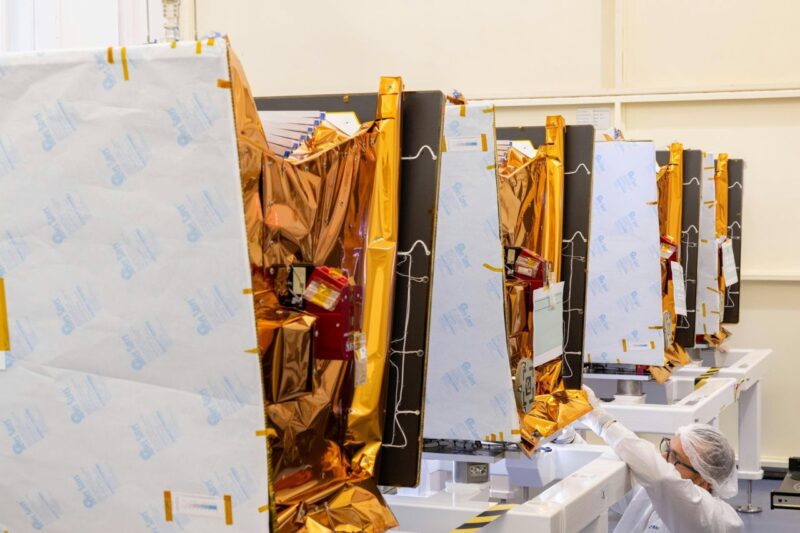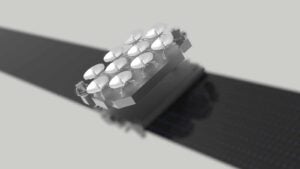
Spacecraft manufacturer Fortastra and industrial manufacturer Hadrian signed an MoU that establishes a framework for technical collaboration to build advanced spacecraft that can help address urgent national security space missions, the companies announced late Wednesday. The partnership aims to accelerate satellite production timelines, reduce cost and mass, and improve structural performance in support of national security space programs.
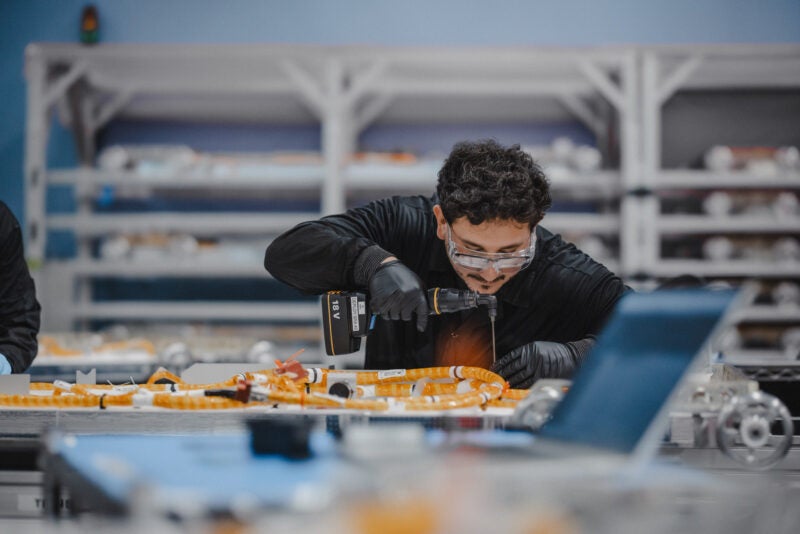
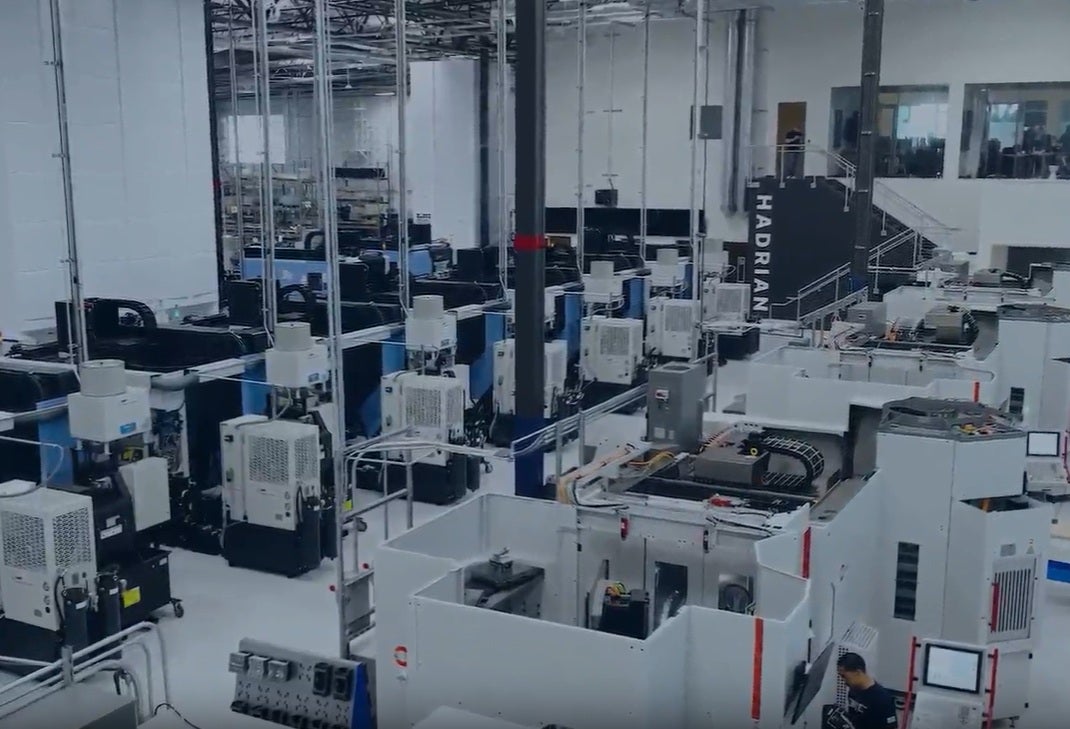
The collaboration brings together Hadrian’s precision machined and additive manufacturing capabilities and Fortastra’s expertise in spaceflight systems and qualification. By leveraging Hadrian’s highly automated production environment, Fortastra expects to gain greater speed, production visibility, and manufacturing resilience across the development lifecycle, helping to accelerate program timelines, reduce operational bottlenecks, and support the scalable production of autonomous spacecraft for U.S. government and commercial missions.
“Fortastra is building the future of autonomous orbital systems, and manufacturing is one of the most crucial leverage points in delivering capability at speed and scale. This partnership with Hadrian brings world-class manufacturing expertise directly into our engineering process, positioning us to pursue funded prototype efforts that validate advanced manufacturing’s impact on satellite development for national security missions,” Mike Smayda, CEO, Fortastra, said in a statement.
Hadrian is an interesting case study as it looks to bring the benefits of AI powered factories to sectors such as space. Recently, it announced $260 million in new capital and major expansions of its footprint in California and Arizona. The investment supports nearly five football fields’ worth of new manufacturing space, expanded R&D capacity, and dedicated teams focused on shipbuilding and naval defense production. It has what it calls a ‘Factories-as-a-Service’ model, where the aim is to rapidly scale production across key Department of Defense (DoD) areas such as munitions, shipbuilding, and other high-priority programs.