COLORADO SPRINGS, Colo. — As part of the Space Force’s rollout of its new acquisition structure, the communications layer of the Space Development Agency’s (SDA) Proliferated Warfighter Space Architecture (PWSA) will eventually transition to new leadership, the acting head of the agency said on Wednesday.
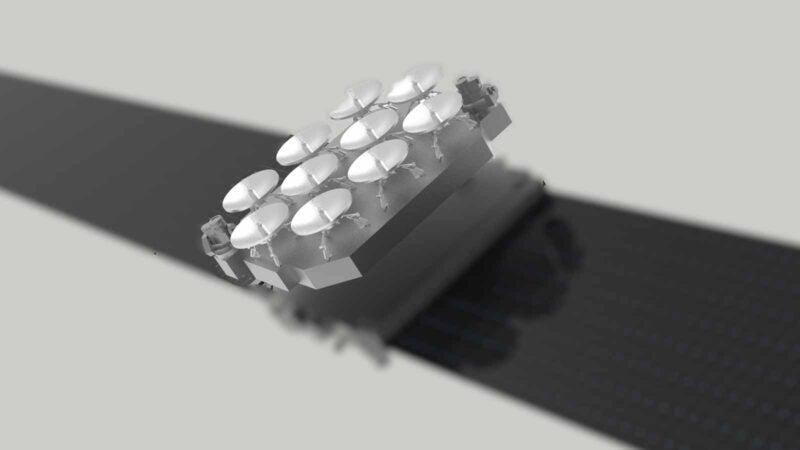
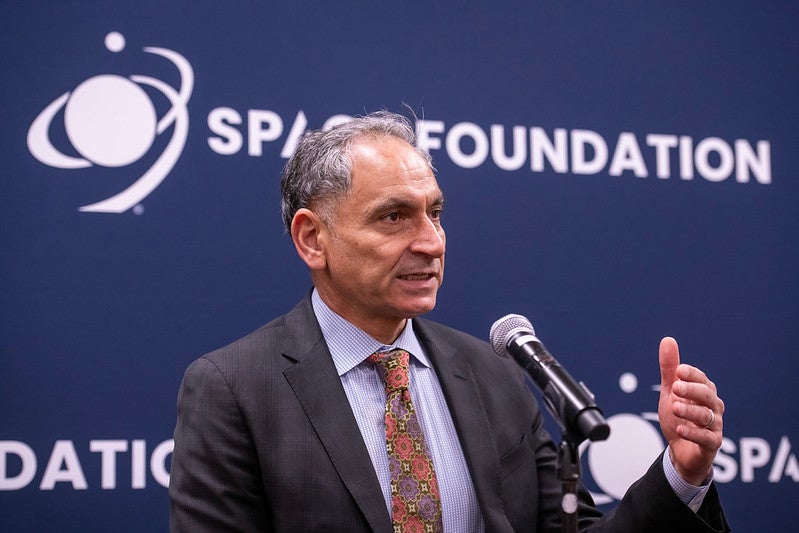
Once the Portfolio Acquisition Executive (PAE) for Space-Based Sensing and Targeting is operating, that office will supervise the Transport Layer, Gurpartap “GP” Sandhoo said during Space Symposium.
“So, when they come up the requirements for what the warfighter needs, they’ll be picking up that piece of that,” he said during a media roundtable here.
SDA has responsibility for Tranche 1 and 2 Transport Layer efforts and has paused the Tranche 3 Transport Layer, which Sandhoo said he doesn’t know the future of. SDA has already launched Transport Layer satellites for the experimental Tranche 0 and the start of Tranche 1. The Tranche 1 launches have been on pause since last November, but Sandhoo said they continue to target the restart of launches this May or June.
The Space Force recently stood up six PAEs, which were directed by Defense Secretary Pete Hegseth to empower acquisition executives within the military services with more authority to spend program funding flexibly and to give them more ownership over capability delivery.
Sandhoo is the PAE for Missile Warning and Tracking (MWT), which was announced in March. On Tuesday, Lt. Gen. Philip Garrant, commander of the Space Force’s Space Systems Command (SSC), told reporters that Sandhoo would be running the MWT portfolio.
Reports have circulated for a while that SDA might eventually go away and be subsumed by SSC, which has broader acquisition responsibilities within the Space Force. The agency is trying to move fast by procuring and launching new Transport and Missile Warning and Tracking Layer tranches of satellites every two years, reopening the door anew each round for competitors and incremental advances in capabilities.
Sandhoo said here that even if the SDA name goes away, Congress has legislated certain things about the agency that “can’t just go away.” The culture of how SDA approaches and solves problems, and delivers capability “are still going to be important,” he said.
“Five years from now the names of the organization will be different than what you see today,” Sandhoo said. “There probably won’t be SDA or Space RCO (Rapid Capabilities Office) or SSC. There’ll be something else. What that ends up looking like, you know, is TBD.”