The FCC approved SpaceX’s request to deploy 15,000 satellites for direct-to-device (D2D) services, while deferring some of SpaceX’s requests.
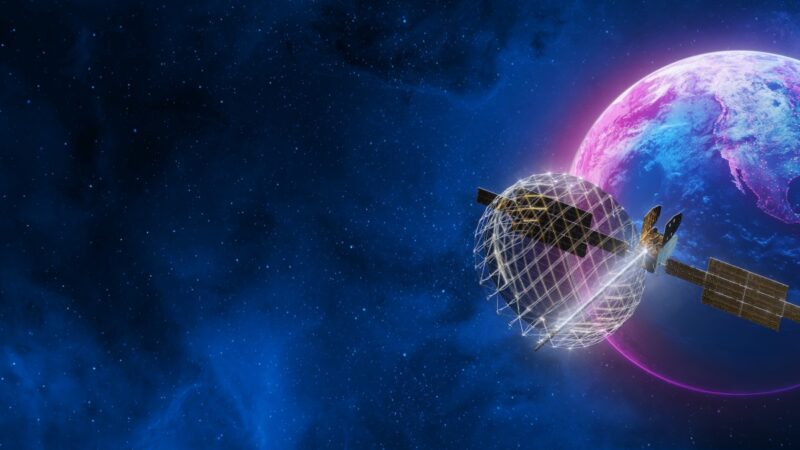
This 15,000-satellite system is designed to provide both mobile satellite services (MSS) using spectrum acquired from EchoStar, and supplemental coverage from space (SCS) using wireless spectrum. SpaceX filed for this constellation in September of last year, shortly after announcing the spectrum deal with EchoStar.
With this action, SpaceX is authorized to deploy a constellation of 15,000 Non-Geostationary Orbit (NGSO) satellites to provide SCS and MSS within the U.S., MSS and direct-to-cell outside of the United States, and fixed satellite services (FSS) backhaul and telemetry, tracking, and command (TT&C).
The satellites are all intended to operate in Very Low Earth Orbit (VLEO), in nine orbital shells between 326 km to 335 km.
The FCC stated in its Oct. 6 approval that this deployment will improve competition and give consumers more choices in more places, arguing the decision is in the public interest.
“[This decision] will pave the way for SpaceX’s next-generation D2D network to extend spectrum based services to mobile systems. This action allows SpaceX to improve the quality of D2D services, increase capacity, and advance broadband connectivity for consumers in the United States and worldwide,” the FCC said in a statement.
The FCC deferred a number of SpaceX’s requests related to spectrum, including deferring a request for MSS operations in the 2020-2025 MHz (Earth-to-space) band in the United States. The FCC also deferred any action regarding the 20.2-21.2 GHz and 30.0-31.0 GHz bands because they have heavy federal use.
The FCC put a number of conditions on SpaceX’s spectrum use as well. The FCC noted that SpaceX’s authority in spectrum acquired from EchoStar is conditioned on the fact that the companies complete the second step in the transaction, in which the licenses previously assigned to a trust are transferred to SpaceX. This is expected to take place on or about November 30, 2027. SpaceX is able to deploy satellites and perform communications payload testing with EchoStar’s permission.
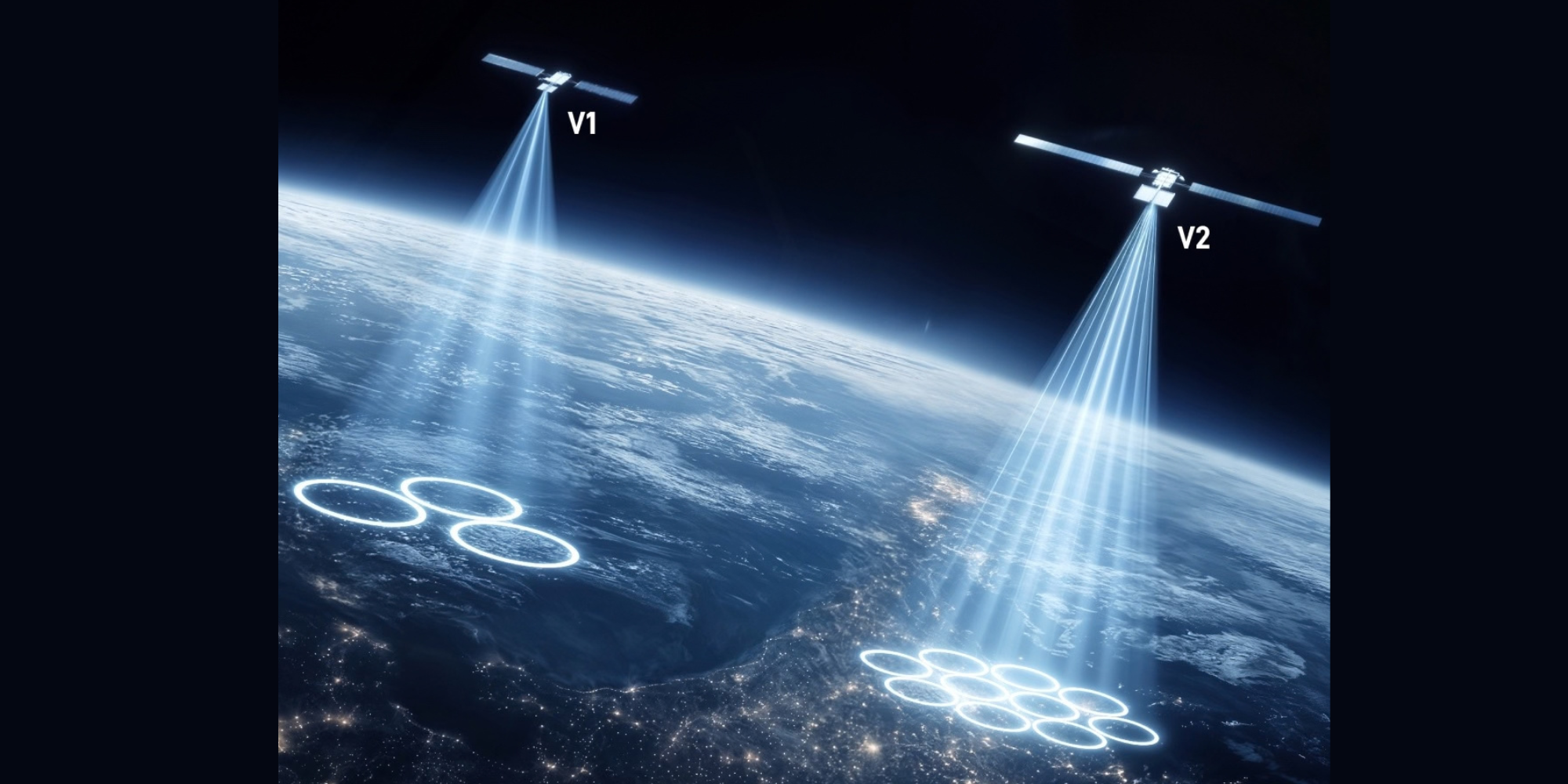
This satellite system, which SpaceX has started calling Starlink Mobile, is separate from the Starlink broadband constellation. SpaceX currently offers direct-to-device services from a constellation of around 650 satellites.
“You could look at the Starlink Mobile leveraging this next-generation satellite and the EchoStar spectrum as being 100 times better than what we’ve got right now,” SpaceX President and COO Gwynne Shotwell recently told investors.
Shotwell also said that SpaceX plans to start flying the second generation of the Starlink Mobile satellites next year, providing service by the end of next year.
In the original filing, SpaceX said this system will be capable of “providing connectivity virtually anywhere on Earth” and support voice connectivity, testing, and high-speed data, and additional services.