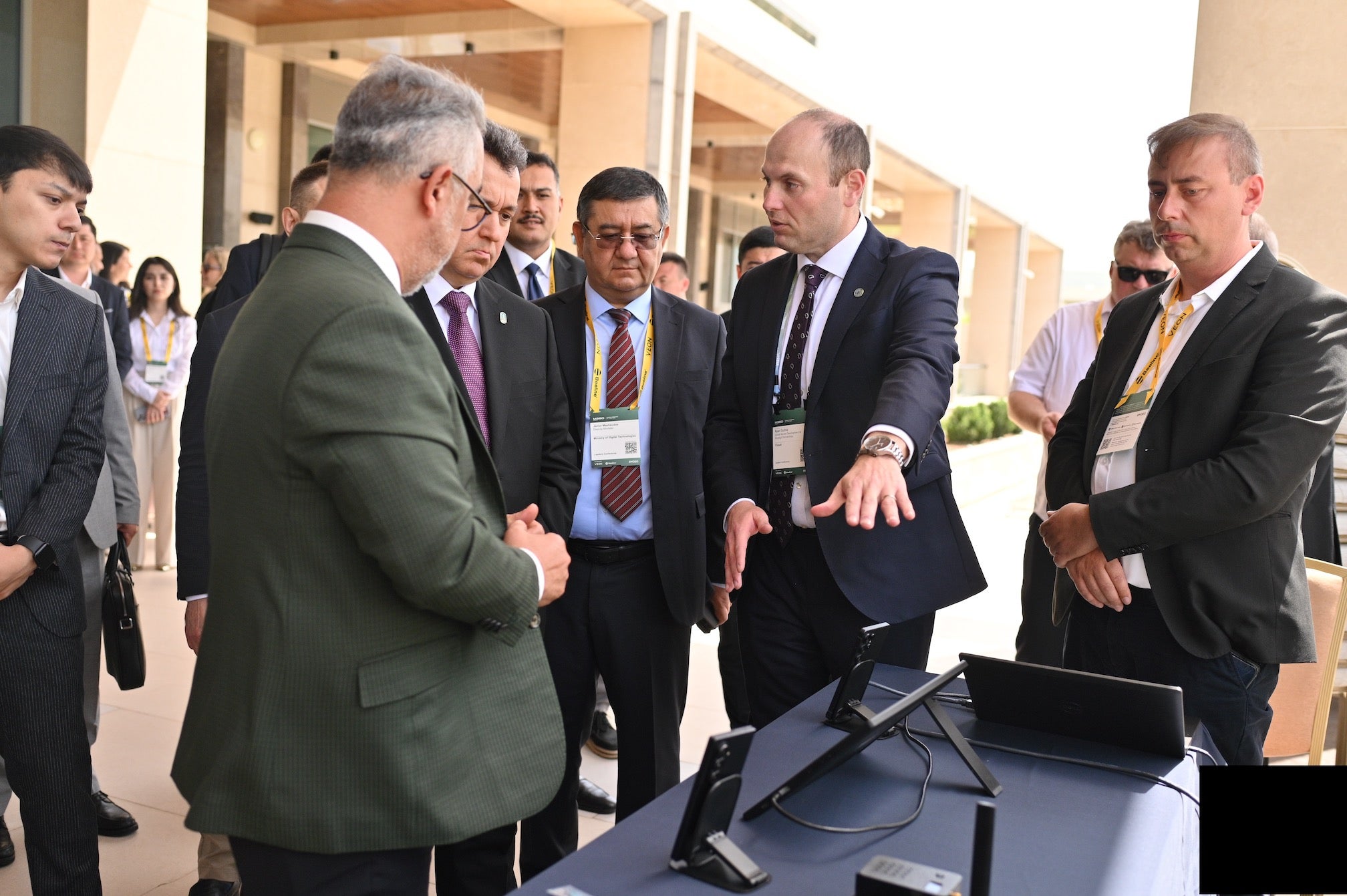
Viasat has completed a direct-to-device (D2D) demonstration in the republic of Uzbekistan, featuring application-based messaging on an Android smartphone. The demonstration showcased smartphones sending and receiving messages over Viasat’s L-band satellite network using 3GPP non-terrestrial network (NTN) standards.
Application-based messages were shared across two mass-market Android smartphones, with one connected via satellite using a companion device, and the other to a traditional terrestrial cellular network. Viasat revealed details for D2D demonstration, Mary. 22.
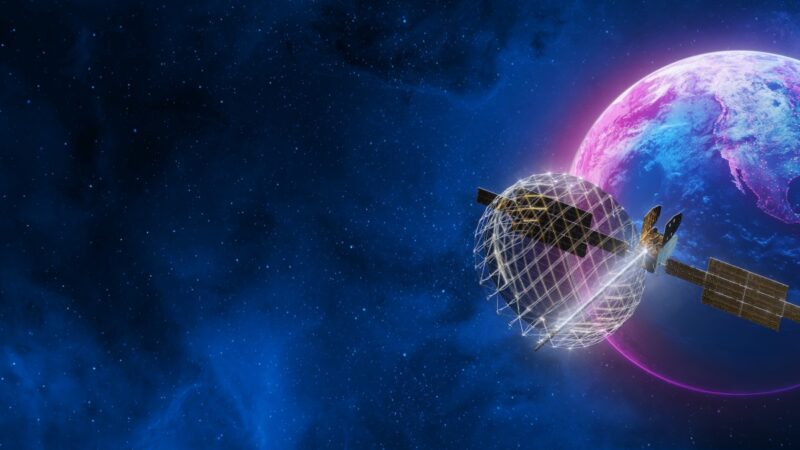
Viasat said the demonstrations showcase the potential for satellites to expand connectivity to cell phones, vehicles, and industrial IoT devices within the country. Viasat’s approach is to use its existing satellite fleet using dedicated mobile satellite services (MSS) spectrum. The company says this approach allows it to work with mobile network operators and ecosystem vendors to provide services without sacrificing terrestrial spectrum or interfering with cellular networks.
“Countries emerging as technology leaders like the Republic of Uzbekistan are rightly excited about the potential for non-terrestrial networks. Through standards-based satellite connectivity, we can bring connectivity to millions more devices in areas currently underserved by cellular networks, with benefits for safety, sustainability and efficiency. We are delighted to be showcasing this potential with the Ministry and UZ-SAT, and would like to thank them for their continued collaboration,” Sandeep Moorthy, senior vice president, Advanced Non-Terrestrial Solutions, of Viasat, said in a statement.