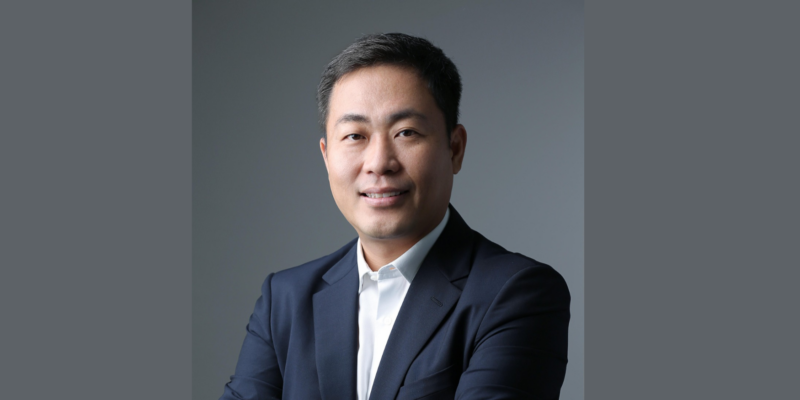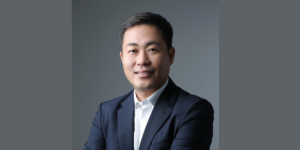
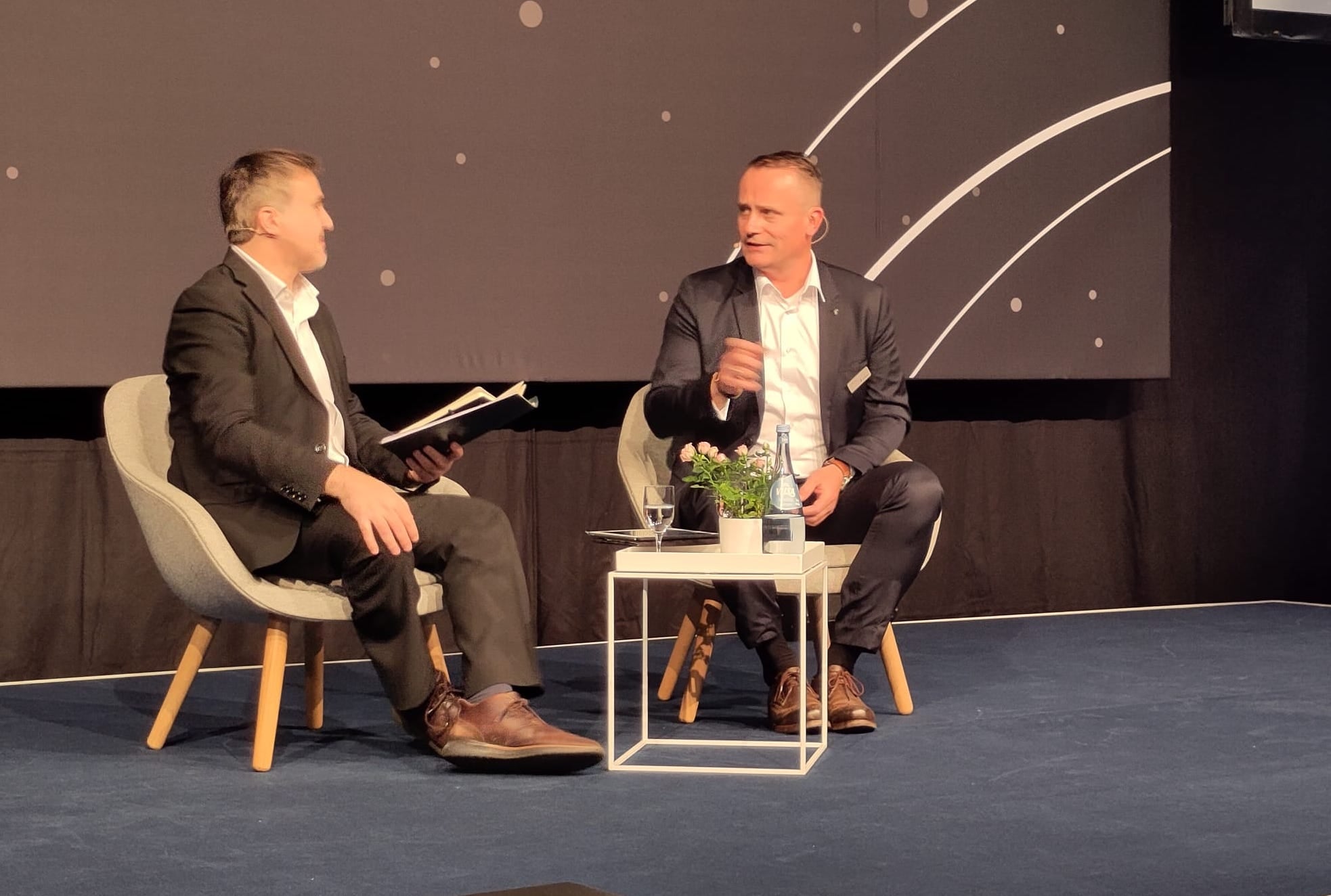
BREMEN, Germany — The CEO and Chief Digital Officer of Rheinmetall Electronics Timo Haas said that while the company has a lot of work to do to become a space player, it is committed to supporting the European environment as it scales in space.
“We entered the space division about two years ago, starting with ISR [intelligence, surveillance, reconnaissance]; looking for what we can do faster, in the sense of avoiding really long development cycles,” Haas told attendees at Space Tech Expo Europe on Nov. 17. “We’re now building, together with OHB, a proposal for the comms area, where we work in integration. Interworking between the domains is our specialism – we’re not the satellite guys.”
Haas referenced the joint venture Rheinmetall struck with German satellite manufacturer OHB over the summer to pursue the SATCOMBw Level 4 satellite program for the Bundeswehr.
He was diplomatic when asked if Rheinmetall had any ambitions to become “the satellite guys” at Rheinmetall
“We have plenty to handle already. As a group, we have roughly 18 billion euro in backlog orders. Our space offering has a lot of scaling to do. I can’t tell you what’s going to happen in the next five years.”
Haas joked that the company had been referred to as the biggest startup in space since Rheinmetall had only recently begun experimenting with space technologies, despite having a massive base in engineering expertise. The CEO focussed many of his points on how Rheinmetall supports the existing ecosystem as a prime rather than competing directly.
“We’ve worked on Isar and Iceye very closely, in both cases these fast-moving startups needed someone who understood big defense clients and their requirements,” he said. “We’re able to act as the catalyst in the middle between these innovators and the industrial machinery that can accelerate them.”
Iceye, the Finnish Earth Observation specialist launched a 2 billion euro takeover offer of Italian space rocket developer Avio on Tuesday.
“We reuse Iceye technology in defence purposes a lot, despite all its civilian applications,” Haas mentioned.
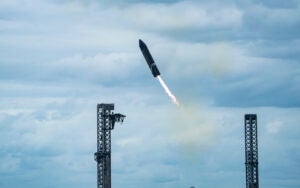
The Rheinmetall executive spoke to the looming launch issue in Europe, and the massive engineering challenge facing the continent. “We all know that for now the model is dominated by SpaceX,” Haas said. “A European alternative takes time. From our perspective we’re considering collaborating with anyone in Europe that is commercially available, but we must maintain our relationship with the United States.”
Discussing the company’s future plans, Haas described various integrated solutions from satellite payloads.
“Our team is working on extending our capabilities beyond SAR [synthetic aperture radar], integrating electro-optical, infrared, integrating signals intelligence, working closely with our development partners. We’re building that now to be prepared instead of waiting for the customers.”
Haas recommended that European policymakers to spur the European market with procurement, in comments after the fireside chat to Via Satellite.
“We want to see them buying industrial capability instead of developing capability,” Haas said. “Research contracts are super involved in next-gen technical development, but as long as solutions are on the market, then we need procurers to keep buying, that shortens the development time cycle and opens the market. It’s the same with launchers, the space needs stimulating. Right now, that’s the starting point for Europe, but we can see it happening.”