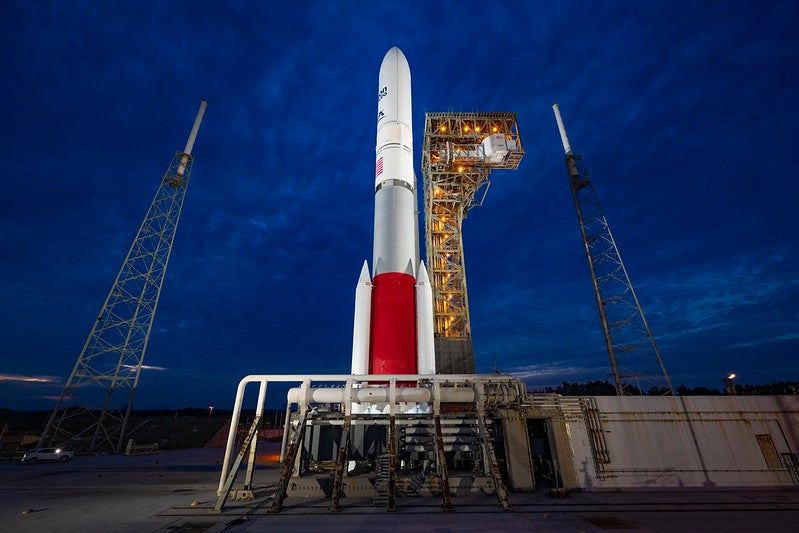
United Launch Alliance is set to return its Vulcan rocket to flight this weekend in its first launch for the Amazon Leo constellation.
The Vulcan rocket has been out of service since February, when it experienced an anomaly with the solid rocket motors built by Northrop Grumman. The February launch for the U.S. Space Force as a customer was successful, but the Space Force suspended Vulcan launches for the National Security Space Launch (NSSL) program to fix the anomaly.
ULA recently stated that after an investigation with its team, Northrop Grumman, the Space Force, and government agencies, changes to the nozzle were made and fully tested.
Vulcan has only launched a total of four times, including its debut mission in early 2024.
The Amazon mission is set to launch on Saturday, Nov. 14 at 12:32 p.m. ET from Cape Canaveral Space Force Station in Florida. It was delayed by one day due to a power interruption in the air liquide gaseous nitrogen (GN2) plant, which ULA stated resulted in the loss of their high-pressure pumps.
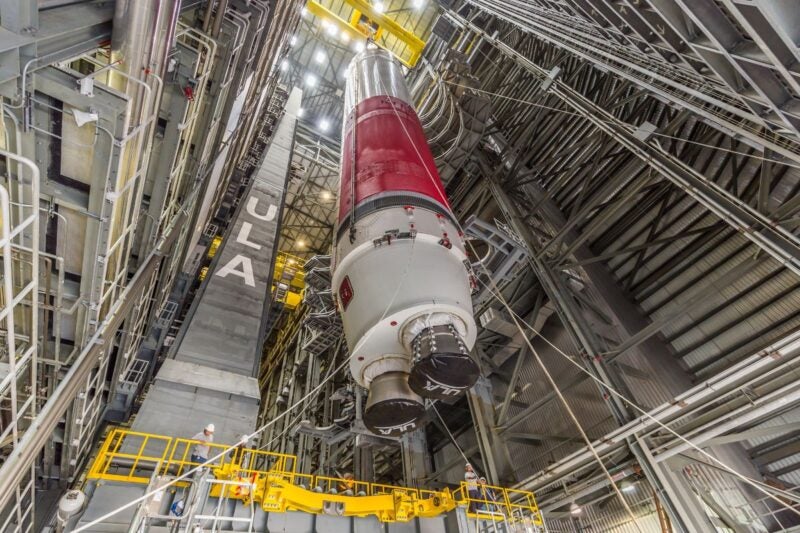
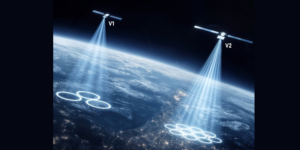
The mission will launch 40 Amazon Leo satellites — the largest launch yet for Amazon leo. The rocket is configured in the Vulcan VC6L variant with the Centaur V shorter, optimized version of the upper stage and six side-mounted solid rocket boosters.
This marks the first of 38 Vulcan rocket launches for Amazon, following eight missions for Amazon Leo with the Atlas V rocket.
Amazon Leo Launch Systems Director Melissa Wuerl said this starts a “sprint” of Vulcan launches.
“Larger rockets and more frequent launches are critical to scaling our constellation and getting service to customers, and the Vulcan program is designed to deliver on both dimensions,” said Melissa Wuerl, director of launch systems for Amazon Leo. “Vulcan will launch close to half our first-generation constellation, making it our primary workhorse over the next several years.”