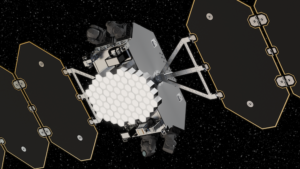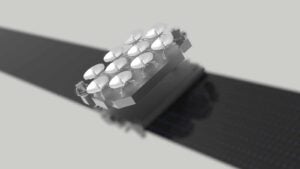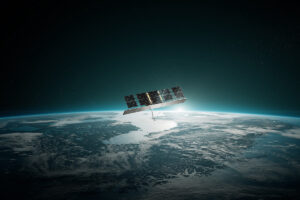
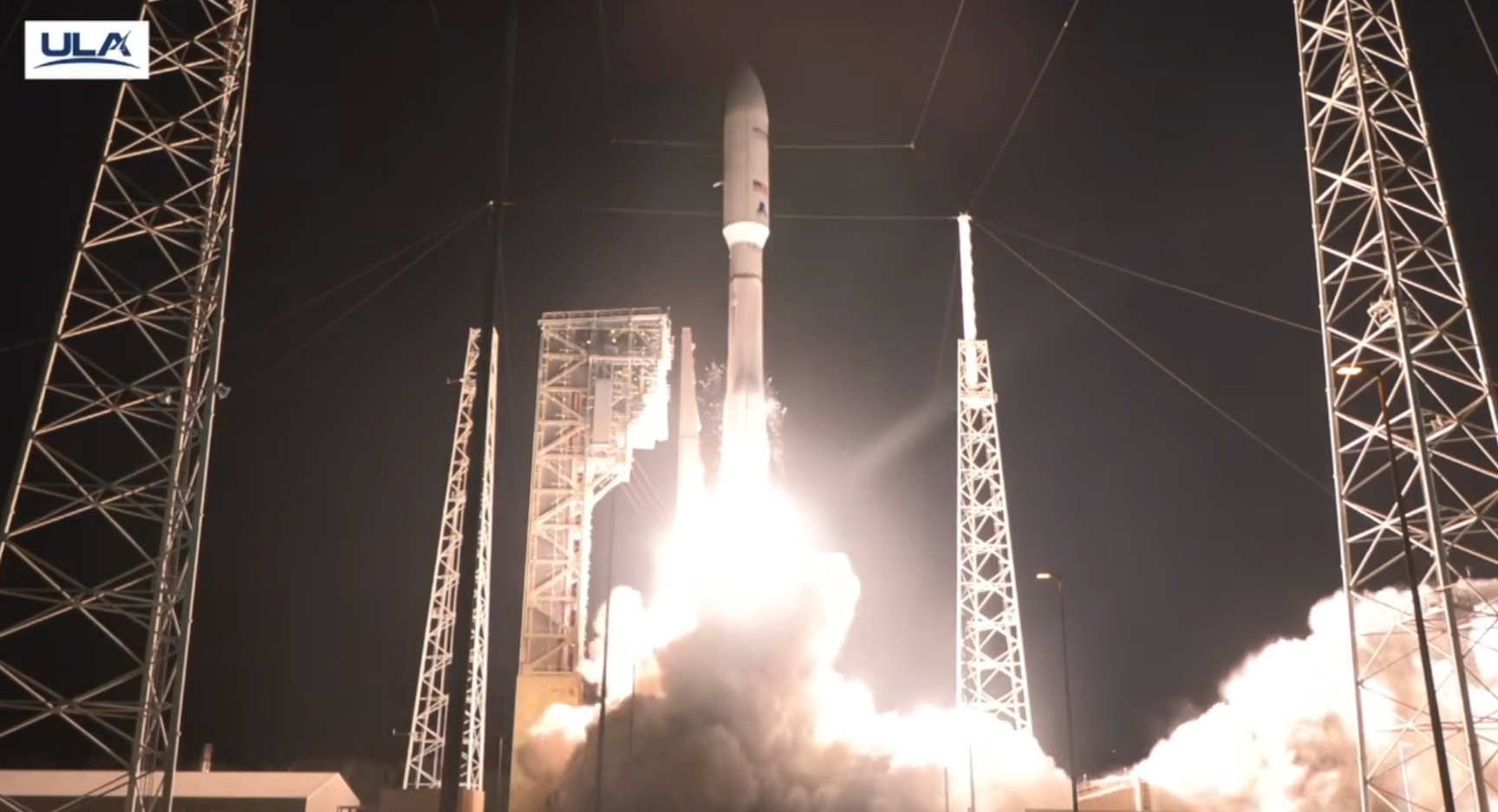
United Launch Alliance (ULA) launched 29 satellites for Amazon Leo on Monday evening in its sixth mission for the constellation.
A ULA Atlas V rocket lifted off from Space Launch Complex-41 at Cape Canaveral Space Force Station in Florida at 8:53 p.m. ET.
The satellites were released over a series of 10 deployments during a 16-minute window, starting at 21 minutes and 5 seconds into the mission. All satellites were deployed by 37 minutes and 37 seconds into the mission.
With this mission, Amazon Leo now has a total of 270 satellites as Amazon is working to ramp up the number of satellites in orbit ahead of starting commercial service later this year. Amazon CEO Andy Jassy recently confirmed the service is set to start in mid-2026.
This was the second ULA launch for Amazon this month after the Atlas V Amazon Leo 5 launch on April 4.
In an effort to increase launch cadence, ULA said it conducted a continuous rollout and launch in a single day to reduce the amount of time spent on the launch pad.
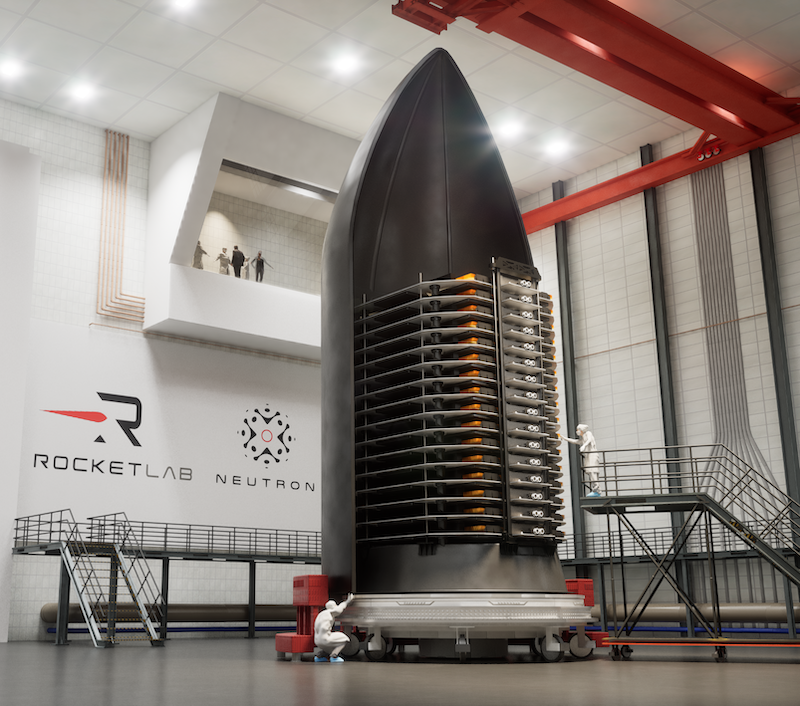
Amazon is working with four launch providers across five rockets to deploy the constellation, recently showing a diagram of how different payload fairings on different vehicles are configured for the constellation.
Despite this variety of launch vehicles, two of its options — ULA’s Vulcan and Blue Origin’s New Glenn — are currently grounded. Vulcan experienced an anomaly during a Space Force launch in February, and New Glenn placed an AST SpaceMobile satellite into the wrong position last week.
Amazon Leo’s next launch is scheduled for later this week, on April 30. That mission, Leo Europe 2 (LE-02) with Arianespace, will launch on an Ariane 6 rocket from French Guiana with 32 satellites on board.