Latest News
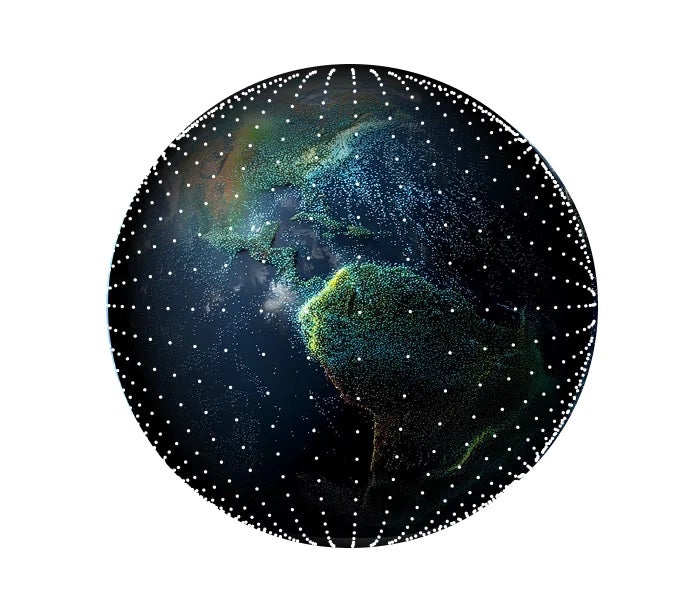
Photo: Tomorrow.io
Tomorrow.io announced plans for a new weather monitoring constellation on Thursday called DeepSky, designed to provide faster refresh for global and regional weather models, improve prediction of extreme weather events, and support new AI-native applications.
This comes just after Tomorrow.io completed deployment of its first generation constellation, which has 11 satellites in orbit equipped with Ka-band radar and microwave sounders. The company had two satellites on the SpaceX Twilight rideshare mission earlier this month.
At this point, the company is not disclosing the number of satellites that will make up the DeepSky constellation. The constellation will be introduced in phases and development is currently underway, although the company did not disclose a timeframe to first launch.
“The world has been forecasting weather and assessing risk with incomplete information for too long — training models on simulations because the observations simply didn’t exist. DeepSky changes that equation. We’re building the infrastructure to finally see the atmosphere as it actually behaves, giving every industry the confidence to act decisively when it matters most,” co-founder Rei Goffer said in a statement.
Tomorrow.io explained that existing government-owned weather satellites are limited by the frequency of their observations. DeepSky is designed to complement existing government satellites with higher cadence and new sensing modalities.
The DeepSky satellites will be equipped with multimodal sensors that are able to scan the full electromagnetic spectrum at high frequency, Goffer said in a statement.
The company expects the constellation will serve weather users ranging from civilian meteorological agencies, severe weather and hurricane forecasting centers, defense and national security organizations, and international partners.
Stay connected and get ahead with the leading source of industry intel!
Subscribe Now