Latest News
4iG Space and Defence CEO Sárhegyi Explains Axiom Space Investment, Previews Hungary’s Growth in Space
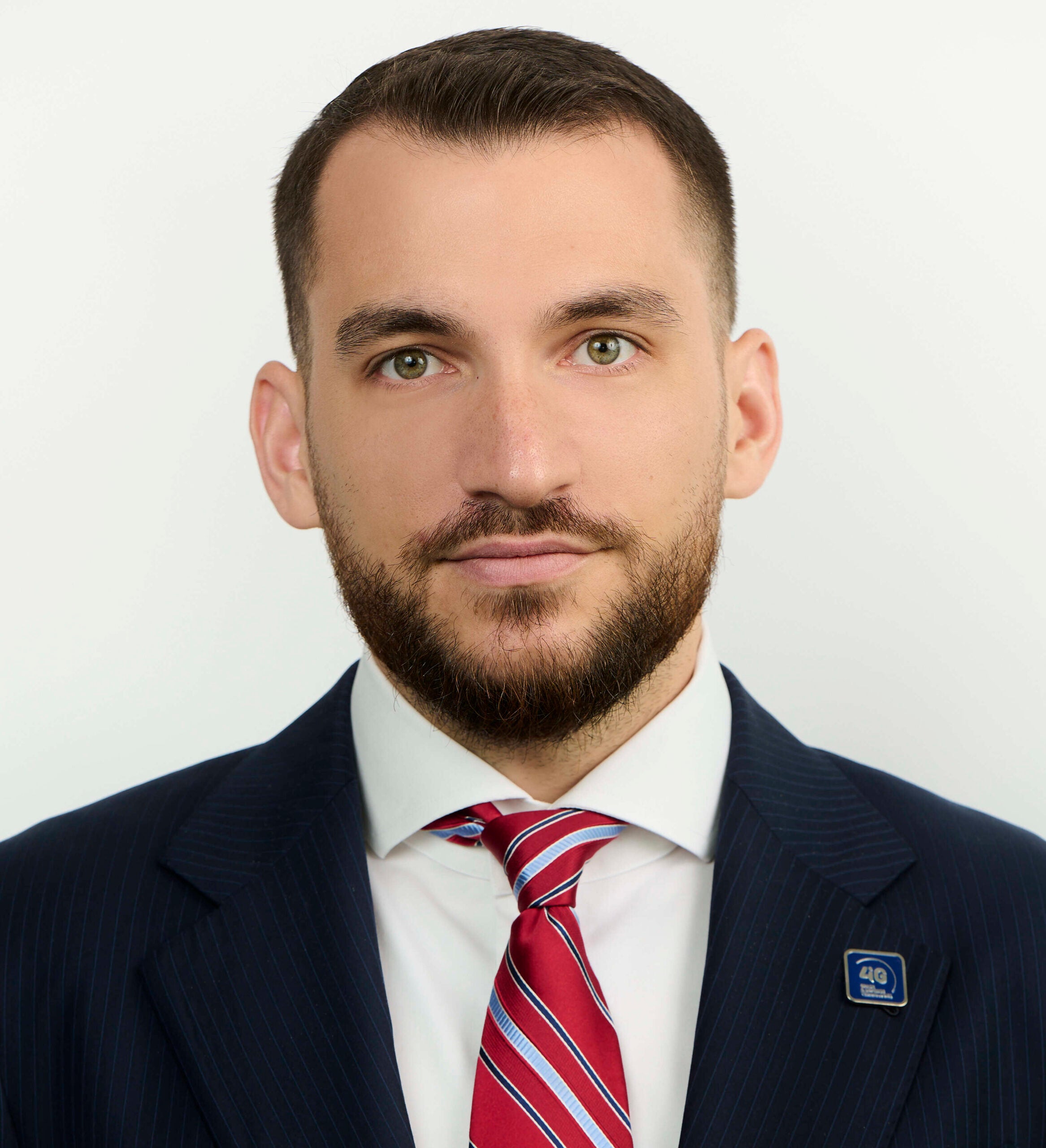
István Sárhegyi, CEO of 4iG Space and Defence. Photo: 4iG SDT
4iG Space and Defence (4iG SDT) is a growing presence on the space landscape in Europe, and is Hungary’s main space company. In October, the company made a splash move to become a strategic investor in U.S.-based Axiom Space. 4iG SDT recently finalized the agreement in December. The two companies also plan to collaborate on a $100 million project for the development of an orbital data center (ODC). It could signify a greater collaboration between Hungary and the United States when it comes to space.
In this interview, István Sárhegyi, CEO of 4iG Space and Defence, talks about the company’s investments, its plans to grow the space sector in Hungary, and what the future looks like for the company.
VIA SATELLITE: Axiom Space is a very different type of investment compared to 4iG’s prior investment in Spacecom, for example. Why have you decided to look to invest in Axiom Space? What do you like about this company?
Sárhegyi: At 4iG Space and Defence (4iG SDT), we are building a sovereign satellite infrastructure to deliver secure Earth Observation (EO) and satellite communication services with full control over data generation, transmission, and exploitation. Our interest in Axiom Space comes from the shared understanding that satellites are no longer just about broadcasting they are becoming part of a real-time data service ecosystem. Axiom Space’s developments in orbital data centers with relay and secure transmission capabilities directly support our strategic focus on high-value satellite-based data services with dual-use applications.
Under our latest agreement with Axiom Space, 4iG SDT may be the first European technology company to join the Orbital Data Centers (ODCs) program. Axiom Space is an agile and highly innovative partner with the drive to push boundaries in how data is handled in space. That mindset matches our own ambition to move beyond traditional capacity leasing and instead offer integrated satellite data and communication services as a strategic asset for Europe and its partners. We see a clear opportunity to translate this innovation into commercial and institutional data services in Europe, creating real value through applied orbital infrastructure.
VIA SATELLITE: Axiom Space company is an interesting company, considering it is looking to build commercial space stations. Why did you target an infrastructure company like this?
Sárhegyi: When we entered the space sector, we could have focused purely on the downstream side relying on 4iG Group’s significant IT and digital heritage to offer data services. But we believe that long-term value and strategic independence in space come from owning and operating real infrastructure, not just building services on top of someone else’s assets. Axiom Space represents a pathway toward upstream capabilities in orbital infrastructure, which aligns with our vision of developing end-to-end, asset-backed services rather than just a software or platform model. For us, space is not only a data business, it is an infrastructure business, and those who control infrastructure can deliver trusted, sovereign, high-value services with far more resilience and long-term strategic relevance. This is why we are engaging with partners like Axiom Space to build beyond SaaS and into full-spectrum space capability, from hardware in orbit to secure data and communication services on the ground.
Axiom Space ODCs create an opportunity for Hungarian technological solutions to be directly integrated into the international space industry cycle. 4iG SDT participates in the system primarily in a sovereign integrator role, leveraging its data processing capabilities and the opportunities offered by optical ground stations, while satellite development will not be part of this ecosystem. Infrastructure-based assets can/may provide long-term value stability and tangible return potential for our investors, ensuring both strategic and economic sustainability.
VIA SATELLITE: What do you see as the benefits of investing in a U.S.-based space company?
Sárhegyi: Investing in a leading U.S.-based space company allows us to forge strong international partnerships, extend our global network, and connect our growing capabilities to trusted partners in one of the world’s most advanced space ecosystems. By working with a technologically driven and innovation-focused company, we gain more than just an equity position we gain a strategic partner that enhances our technical insight, market access and interoperability with allied industrial and defense frameworks. For 4iG SDT, this is about building relevance and trust on the global stage, while ensuring that our European infrastructure can plug into a wider international ecosystem of space services and secure data operations. Such partnerships also help ensure that Europe’s and the U.S.’s space ecosystems remain interoperable and mutually reinforcing, strengthening the transatlantic technological bond.
VIA SATELLITE: How important is investing in space assets to 4iG SDT? Are you looking to grow your position in the global satellite sector?
Sárhegyi: Investing in space assets is central to our strategy. With the HUSAT program – Hungary’s first privately-owned, comprehensive satellite infrastructure development – as our baseline constellation, we are already establishing our own national satellite infrastructure to deliver reliable Earth observation and satcom services. We do intend to grow our presence in the global satellite sector, but our focus is clear: we want to create trusted, service-oriented satellite capabilities that we operate end-to-end. Serving national security, economic and scientific purposes, HUSAT is just the starting point, we are already looking beyond it to ensure that our infrastructure can support future data services and evolving institutional and commercial needs.
Our space technology manufacturing center, which is unique in Central and Eastern Europe, will begin operations in 2026 and will be responsible for the production, assembly, integration and testing of medium-sized satellites up to 400 kilograms, which are also part of the HUSAT program. As Hungary’s first privately-owned large company in this sector our goal is to create a vertically integrated space industry ecosystem that includes satellite manufacturing, operation of ground infrastructure, as well as data processing and commercialization. We are not aiming to become a global operator in terms of scale, but in terms of capability and trust — establishing a reliable, sovereign framework that partners can depend on.
VIA SATELLITE: Sovereignty in space and having access to space capabilities and assets has been a major theme in the space industry over the past year. How does this acquisition (and Spacecom) fit into this?
Sárhegyi: Secure and timely access to space-derived data has become a critical requirement, as highlighted by recent international developments. For this reason, our strategy is focused on building sovereign, service-oriented satellite capabilities that we operate and control end-to-end. Through the HUSAT program, we are laying the foundations of a regional infrastructure that ensures reliable European-operated access to satellite communication and Earth Observation services, while complying with international regulatory frameworks. These assets are essential not just for commercial applications, but also for national resilience and institutional users who need guaranteed availability without dependency on multiple external operators. An investment into Axiom would feed into that common strategic understanding and implications that arise from ODCs and their relevance for secure dual-use applications. We see sovereign capability as fully compatible with allied interoperability – building European capacity that can integrate seamlessly with NATO and partner frameworks.
VIA SATELLITE: How is 4iG SDT looking to grow its capabilities in terms of defense and intelligence? How important is the defense side of things for the company?
Sárhegyi: 4iG Group has recently taken several significant steps to further expand its capabilities, particularly in the defense industry. As the first Hungarian-owned large enterprise operating across both the space and defense domains, we are building an integrated capability base that goes beyond standalone satellite assets. With our ongoing acquisition, we are creating an integrated, comprehensive defense industry portfolio across land, air, and space sectors, which could open new export markets and innovation opportunities not only for 4iG SDT but for the entire corporate group. In line with the intensive growth strategy of recent times and aligned with market demands and the company’s new capabilities 4iG SDT will operate across five domains: space systems, aero, weapons and ammunition, land systems, and defense digitalization. These domains are not just separate business lines, they are designed to work together, creating strategic synergies where space-based data, secure communications and defense applications reinforce one another digitalization being at the forefront of strategic decision-making support. By linking defense and space technology systems we aim to deliver dual-use capabilities where satellite infrastructure directly supports intelligence, surveillance, secure communication and operational defense needs. In this sense, the defense industry is not an auxiliary segment for us it is a core element ensures that our space services translate into real operational value for national and allied partners. Through these synergies, Hungary can evolve from a capability user to a capability provider in regional and allied contexts, strengthening both national and European defense ecosystems.
VIA SATELLITE: How do you view the space industry in Hungary? What can 4iG SDT do to help develop the industry in Hungary?
Sárhegyi: The Hungarian space sector is at an inflection point, at no small part due to the effective policies of the Hungarian Ministry for National Economy entrusted with turning the Hungarian space ecosystem into a space industry. Until now, Hungary has contributed to international missions through specialized engineering and research talent, but a full industrial ecosystem has not yet existed at scale. At 4iG Space and Defence, we see ourselves as a catalyst for building and nurturing that ecosystem into a real industry. As the first large-scale privately owned Hungarian company dedicated to space and defense, we see our role not only as the developer of our own infrastructure for example HUSAT program, but to help create a platform where local manufacturers, technology companies, universities, research institutions startups and engineering communities can connect into real programs – for example training and knowledge transfer processes – developments and supply chains. By building and operating national satellite infrastructure, ground segment capabilities and dual-use data services, we aim to create demand, industrial maturity and long-term predictability which we see as key ingredients needed to turn technology potential into a sustainable industry. In this way, we want to move Hungary from being a contributor to being an operator and service provider in the global space value chain. An equally important goal is to create opportunities that keep high-value engineering and data talent within Hungary’s growing space ecosystem, turning brain drain into brain gain.
VIA SATELLITE: How important will space be in the overall communications infrastructure in Hungary?
Sárhegyi: We hope for space to become a core layer of Hungary’s future communications infrastructure. As demand for secure connectivity, resilient networks and real-time data significantly grows, satellite systems will complement terrestrial networks to ensure continuous coverage, national resilience and secure institutional communication channels. In the longer term, they could become strategic infrastructure for countries, including Hungary’s communications infrastructure.
The new-generation communication systems – including global data center networks and end-to-end satellite communication services – will organically complement the 4iG Group’s existing telecommunications and info-communication infrastructure and services in the future, while also providing the company with a competitive advantage on an international level.
VIA SATELLITE: What is next in space for 4iG SDT? How are you looking to grow the company?
Sárhegyi: We are currently in the build-up phase, focused on establishing our core infrastructure, capabilities and international partnerships in space and across adjacent defense and digital domains. The future growth of 4iG SDT is closely linked to the HUSAT program and the launch of the Remtech space technology center. Together, these initiatives create the industrial and technological foundation that could position the company as the region’s leading sovereign space service provider. The HUSAT program is a major enabler in this journey, but our roadmap goes well beyond the initial constellation. We are already planning how to expand and complement that infrastructure to deliver reliable, high-value data and communication services for both commercial and governmental customers. Our approach is methodical and long-term, with a clearly defined development path that transitions from deployment to full service delivery. We are looking forward to seeing our first satellites launch in 2028, operating them under Hungarian and European ownership, and delivering processed, actionable data services to our partners and clients.
For us, this is not just about launching hardware it’s about building a sustainable, service-oriented space capability with real operational relevance. By integrating the space segment with defense digitalization, we are building an independent, sustainable space industry ecosystem at the European level, where Hungarian technological expertise, industrial infrastructure, and international partnerships mutually reinforce each other to drive growth. As we scale up, we aim to offer interoperable, export-ready data and communication services to allied and commercial users – positioning Hungary as a reliable contributor in Europe’s space landscape.
Stay connected and get ahead with the leading source of industry intel!
Subscribe Now