
Rivada Space Networks (Rivada) has won a new deal with a telecoms company in Nepal, a country with a population of around 30 million people. Mercantile Space, a communications technology company, is partnering with Rivada to provide a next generation connectivity services. The two companies announced the deal, July 9.
Mercantile Space alongside its parent company Mercantile Communications, is a telecoms provider in Nepal specializing in satellite solutions and wireless network systems. Mercantile Space will aim to harness Rivada’s Outernet to address critical infrastructure limitations in the region and provide resiliency for secure, sovereign data connectivity for enterprise and government networks. Nepal’s rugged terrain has the potential to present severe geographic obstacles for traditional fiber or cable deployments.
“Our goal is to ensure our customers have sovereign data connectivity, carrier ethernet resilience and a ubiquitous network which bridges connectivity gaps. Rivada is building a uniquely capable LEO architecture in effect a highly secure global communications backbone in space. The Outernet not only strengthens digital infrastructure on a global scale, but it also provides an innovative platform for our customers to expand their capabilities to meet new security needs,” Amod Pratap Rana, director of Telecom Services for Mercantile Space, said in a statement.
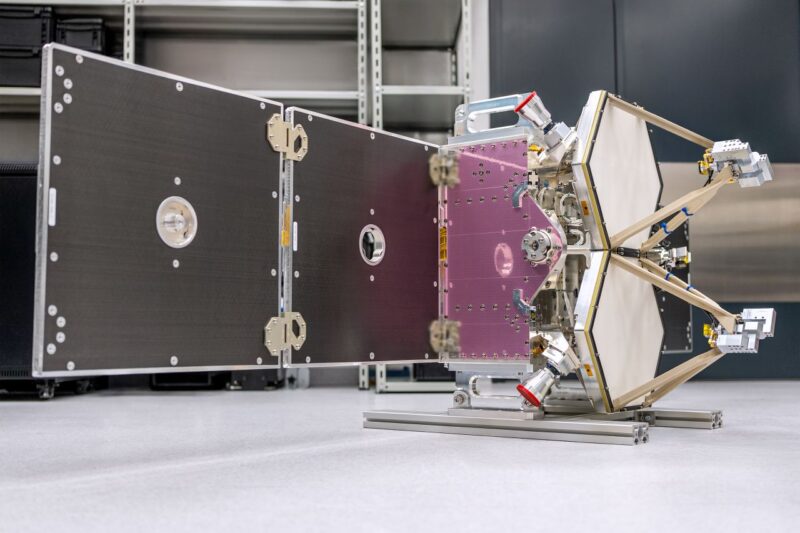
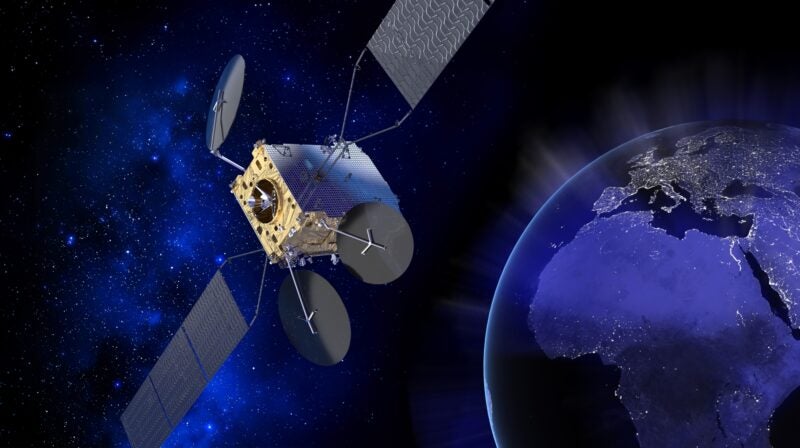
Rivada says it has now lined up over $20 billion of business globally for its Low-Earth Orbit (LEO) network. The company aims to deploy the Outernet, a global, low-latency point-to-point network of 600 LEO satellites, combining inter-satellite laser links with advanced onboard processing and routing.
Rivada has not issued a recent update on plans to launch its constellation. Last year, CEO Declan Ganley told Via Satellite the company was preparing to demonstrate the first Outernet satellites on orbit in 2026 and launch the network in 2027.