Latest News
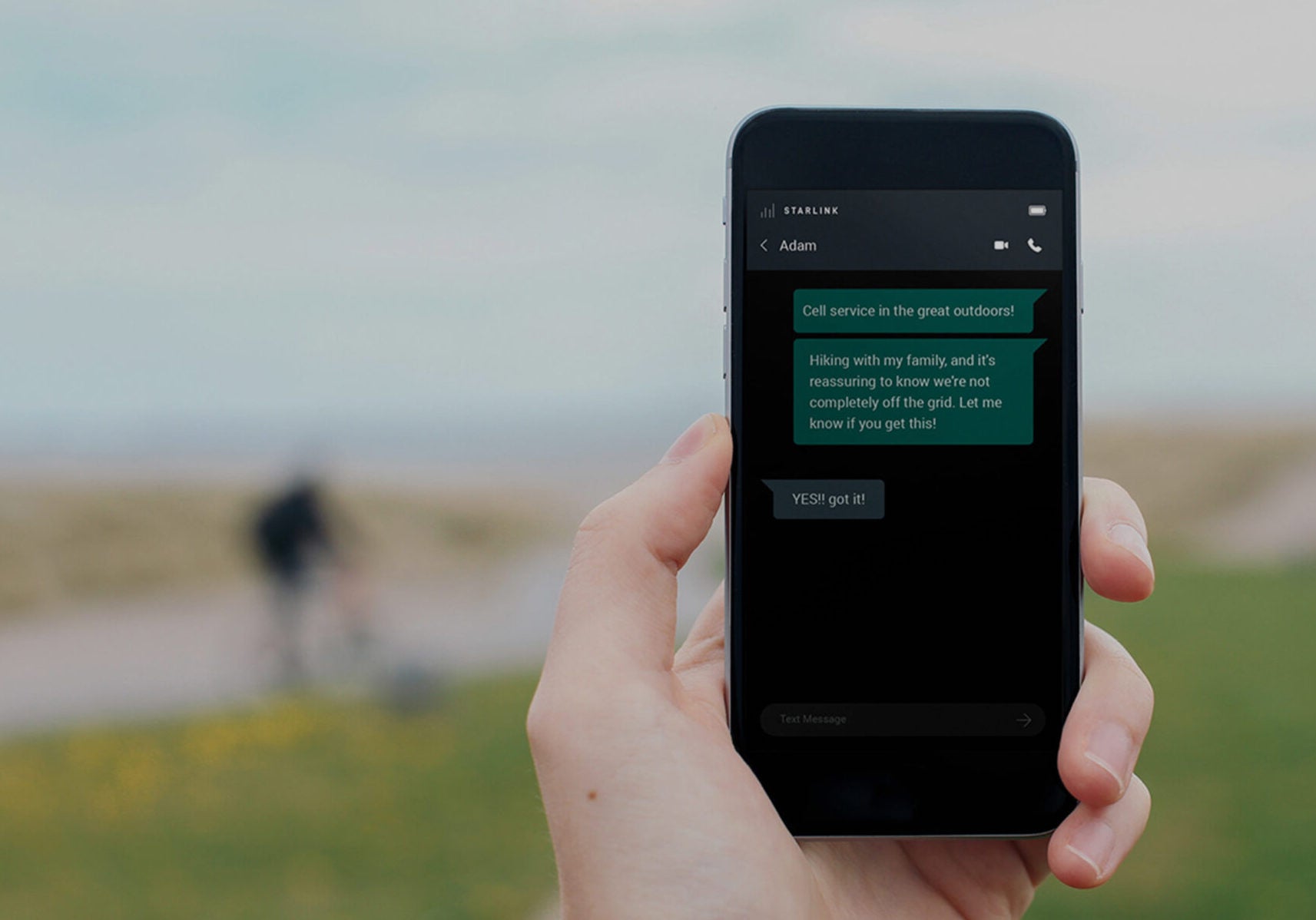
Starlink Direct-to-Cell service. Photo: SpaceX
SpaceX has filed with the FCC asking to launch 15,000 new satellites for direct-to-device service that would use the spectrum SpaceX purchased from EchoStar.
According to the filing SpaceX submitted to the FCC last week, this would consist of 15,000 satellites in Low-Earth Orbit (LEO) and Very Low Earth Orbit (VLEO) operating in mobile satellite spectrum (MSS).
SpaceX said this system will “significantly enhance the ubiquitous mobile coverage” of the supplemental coverage from space (SCS) system that SpaceX operates today, which uses shared spectrum from telco partners. It will be capable of “providing connectivity virtually anywhere on Earth,” SpaceX said.
The filing does not share many specifics about the range of services that would be supported by this constellation, but that it it will support voice, testing, and high-speed data, and an “array of offerings to address the connectivity needs of Americans wherever they are and whatever they are doing.”
Operating satellites in LEO and VLEO will reduce latency and improve coverage in remote and polar regions, SpaceX said. The MSS system will also have the capability to route traffic across SpaceX’s Gen1 and Gen2 systems using optical inter-satellite links.
The filing says that with the acquisition of EchoStar’s terrestrial AWS-4 licenses in the 2 GHz band, “SpaceX may deploy ground-based systems in the U.S., creating a hybrid/satellite/terrestrial network.”
“Granting this application will enable SpaceX to provide dramatically improved mobile service, offering increased capacity, reduced latency, and broader service coverage for mobile users across the United States, including first responders, commercial enterprises, and other users who are underserved or unserved by existing networks,” the filing says.
Last week at World Space Business Week, SpaceX COO Gwynne Shotwell said this spectrum buy will change the way SpaceX works with telcos. SpaceX is also starting to work with chip manufacturers to get chips compatible with the spectrum into consumer phones, she said.
“We will be initiating discussions with telcos in a different way now,” Shotwell said. “It’s our spectrum, but we want to work with them, almost providing wholesale capacity to their customers. We have to work with the device manufacturers, the chip companies, and working with telcos on the end game.”
Stay connected and get ahead with the leading source of industry intel!
Subscribe Now