Latest News
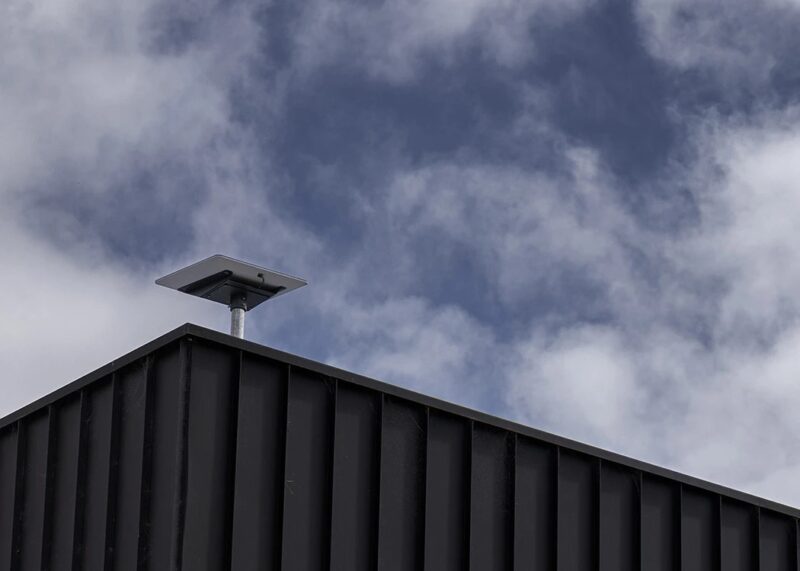
A Starlink dish on a fixed site for enterprise. Photo: Starlink
SpaceX’s Starlink constellation experienced a network outage on Thursday, drawing calls from the satellite industry about the importance of resilient networks and alternative paths of communication.
Starlink service was restored the same day. The company said the outage lasted about 2.5 hours. Starlink Vice President of Engineering Michael Nicolls explained on X that the outage was “due to failure of key internal software services that operate the core network.”
“We apologize for the temporary disruption in our service; we are deeply committed to providing a highly reliable network, and will fully root cause this issue and ensure it does not occur again,” Nicolls said.
The outage took place a day after T-Mobile’s satellite service with Starlink, T-Satellite, entered commercial service.
Some satellite industry leaders said the outage called attention to the need for resilient communications and not relying on a single mode of connectivity.
Starlink competitor OneWeb, owned by Eutelsat Group, experienced a similar outage earlier this year. The OneWeb network was down for a 48-hours outage due to a software issue in the ground segment with the 2024 leap year.
“What seems truly critical for mission-essential applications is multi-player, multi-domain connectivity. The Starlink incident — and a similar one involving Eutelsat OneWeb earlier this year — demonstrates how outages can have wide-reaching, even global effects,” said Carlos Placido, independent satcom adviser.
He noted that relying on a single channel of communication introduces risk, but redundancy also comes at a cost.
“In a global satcom environment that is becoming increasingly software-defined, and thus increasingly subject to software glitches and cyber threats, it is imperative for satellite service providers and mission-critical end users to build resilient networks that function like an immune system: systems that not only anticipate disruptions, but also detect, isolate, and respond to them effectively,” Placido added.
Rick Bergman, CEO of terminal provider Kymeta also said the incident highlights the importance of reliable alternatives to Starlink.
“The vulnerabilities exposed by recent events worldwide have shown just how fragile traditional infrastructures can be. Regardless of the nature of disruption, the capacity to quickly pivot and maintain communications is non-negotiable,” Bergman said. “For governments and enterprises, the ability to seamlessly switch between satellite orbits and terrestrial networks is fundamental for operational success.”
Michaël R.C. De Coninck of maritime connectivity provider Satmarin Exoflux, said the outage had maritime operators and energy firms remembering their 4G failover boxes, C-band terminals, and Ka-band links.
“Nothing like an outage to make ‘backup connectivity’ sound sexy again,” De Coninck said. “The real lesson? In the connectivity world, betting on a single orbit, or single vendor, is like showing up to a sword fight with a battery-powered lightsaber. Cool until it dies. Then you’re just standing there, blinking, waiting for the reboot.”
Stay connected and get ahead with the leading source of industry intel!
Subscribe Now