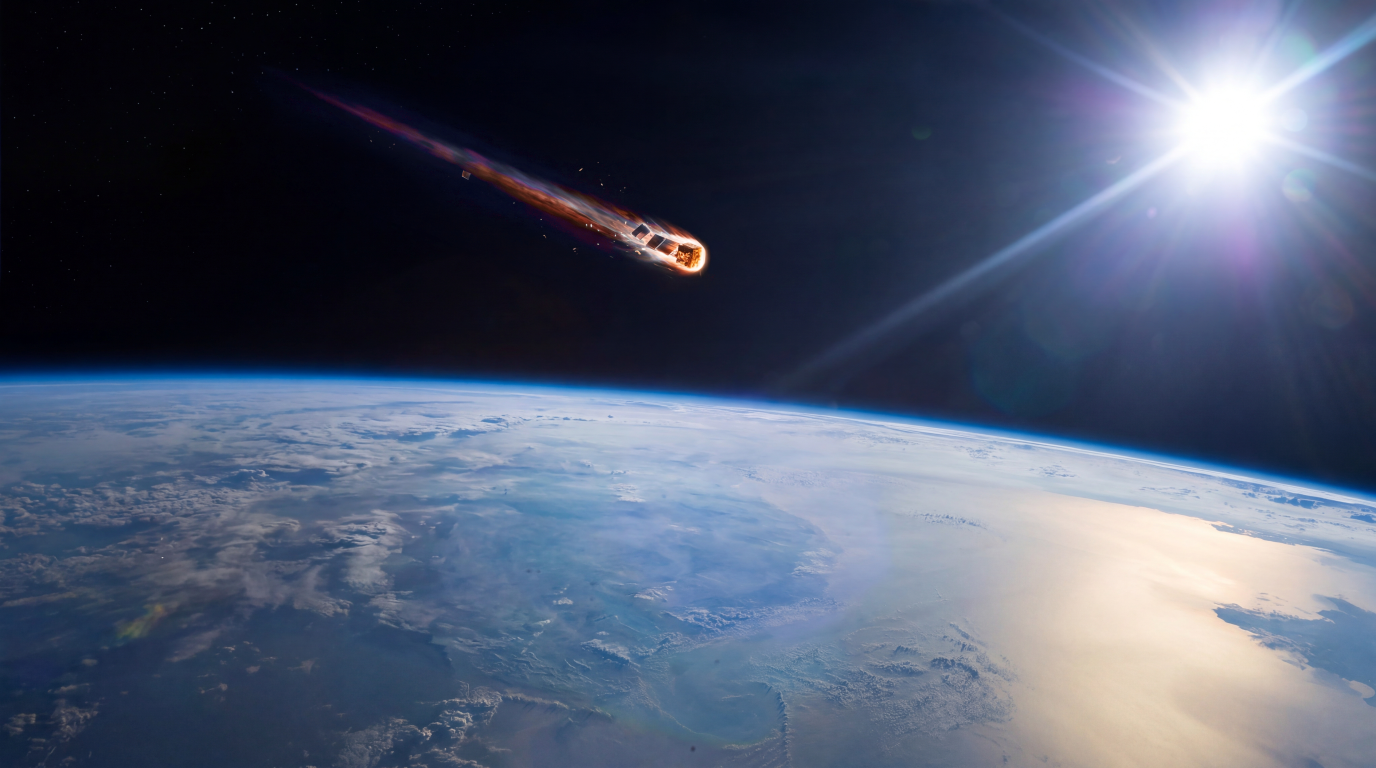
Astroscale is leading a new initiative to improve the study of spacecraft reentry and atmospheric impact, while protecting sensitive data for commercial operators.
The company will lead the Atmospheric Impact of Reentered Spacecraft (AIRS) initiative, a collaboration between industry and academia, with Planet Labs and the U.K.’s University of Southampton as founding participants. Astroscale announced ARIS on Tuesday.
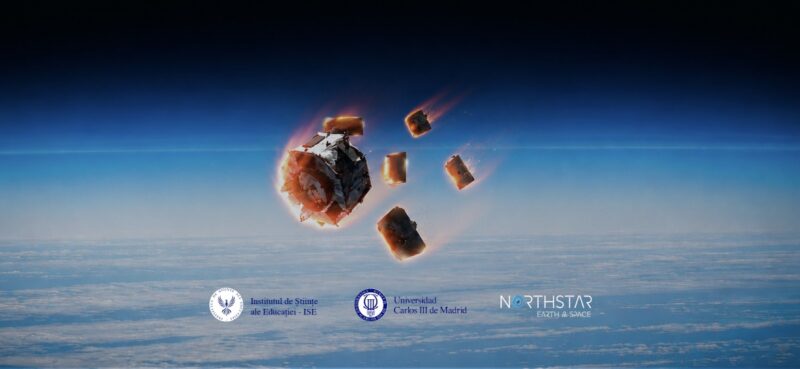
Astroscale explained that the study of spacecraft reentry lacks real-world data, and the atmospheric effects of spacecraft reentry are an underexplored area of research. ARIS will allow manufacturers and operators to share information like material composition and approximate mass breakdowns, confidentially with researchers. Astroscale also hopes that ARIS will collect more detailed data like unexpected reentry profiles to build a comprehensive picture of the impact of reentry.
Both Astroscale and Planet have pledged to share their own spacecraft data. The University of Southampton will contribute its academic research capabilities in aerospace engineering and atmospheric science. The goal is that ARIS will expand access to actual data in order to reduce uncertainty in atmospheric modeling.
“Spacecraft reentry has long been treated as an optimal mission endpoint, but it is increasingly clear that we need a deeper scientific understanding of what happens during this phase,” said Mike Lindsay, Astroscale CTO. “By enabling industry to contribute real-world data in a trusted way, AIRS removes critical barriers for atmospheric research and ensures space sustainability is guided with the most accurate and up-to-date information.”