
Companies unnamed by U.S. Space Force Space Systems Command (SSC) have received six Commercial Augmentation Space Reserve (CASR) purchase agreements under the ACCESS contract for space domain awareness (SDA), the command said on Thursday.
“Building on earlier CASR pilot efforts, these awards establish CASR’s initial SDA surge capability in support of Joint Commercial Operations (JCO),” according to SSC. “Under CASR, participating commercial providers will furnish agreed-upon SDA capabilities available to support JCO requirements during periods of increased demand. The awards support a more resilient SDA architecture by incorporating commercial capabilities alongside government systems.”
Legislators have criticized the Space Force’s relatively small budgets for commercial, including CASR. While the Space Force budget request for fiscal 2027 was more than $71 billion, vice fiscal 2026 enacted funding of about $32 billion, the service requested just $37 million for commercial services in fiscal 2026 and less — about $24 million — for commercial services in fiscal 2027.
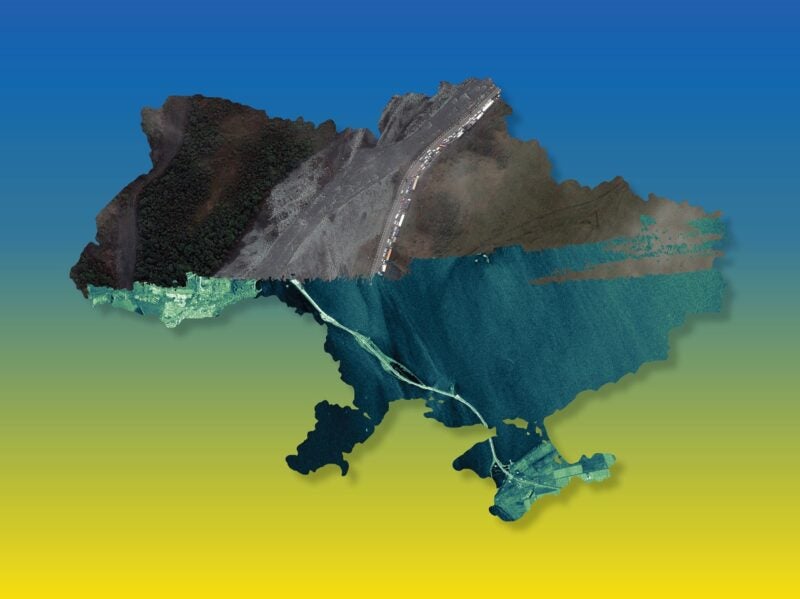
Ukraine’s use of company-owned communications and imaging satellites to help fight the Russian invasion highlights what analysts have called the first “commercial space war,” and Russia has said that such satellites are legitimate targets.
In March last year, SSC held its first CASR wargame with more than a dozen commercial space companies.
JCO uses the General Services Administration’s contract framework, including the ACCESS contract, “to procure commercial data and data-fusion services from multiple providers for Space Domain Awareness and other mission needs,” SSC said on Thursday.
Space Force Col. Tim Trimailo, director of SSC’s commercial space office, said in the command’s Thursday statement that “CASR represents a first-of-its-kind effort for the Space Force to integrate mature commercial space capabilities into government architectures when mission needs require additional capacity.”