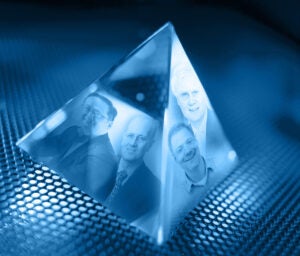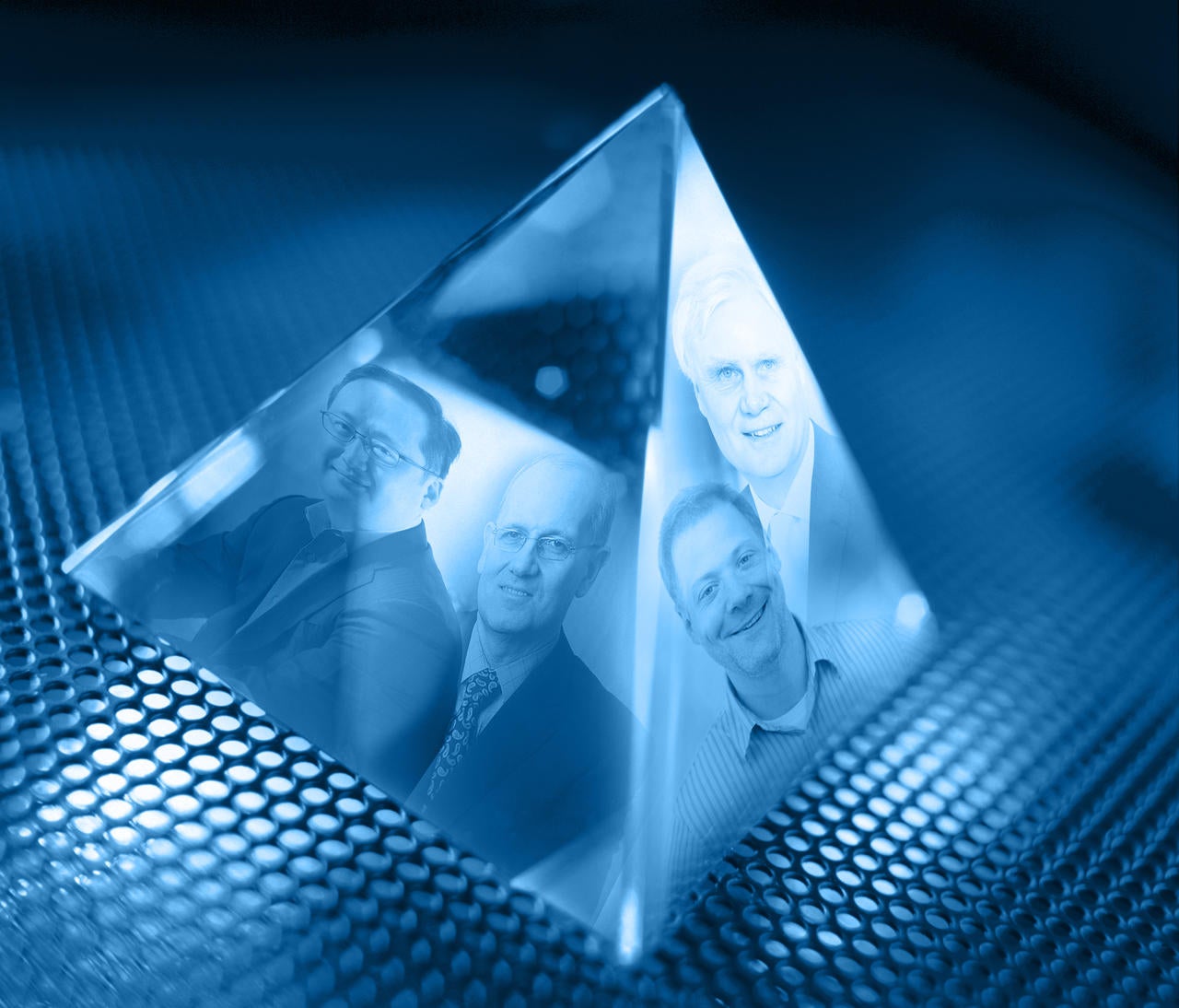

Via Satellite’s Satellite Executive of the Year winners are in a unique position to examine the state of the industry. In a special round table, we bring together Romain Bausch, ex-CEO of SES; Dan Berkenstock, head of product and partner development at Terra Bella at Google; Tom Choi, CEO of ABS; and Jean-Yves Le Gall, director general of CNES and ex-CEO of Arianespace, to talk about their recollections of the industry over the last 30 years, and where they feel it goes next.
Berkenstock: I read an article a few years ago about a high school building and launching a cubesat. Here is something that 50 years ago could only be done by the world’s most advanced governments, and is now within reach of high schoolers. That’s amazing.
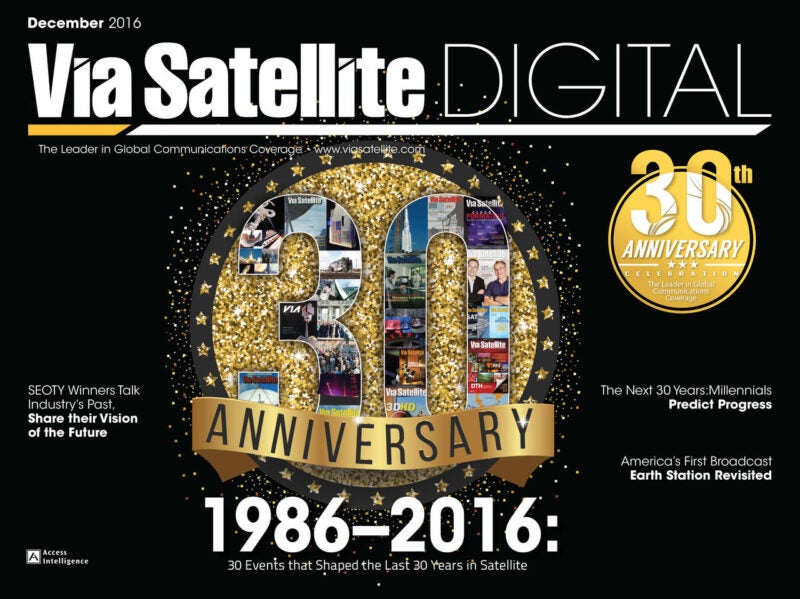
Explore the 30th Anniversary Edition Issue
Check out more from this issue and find your next story to read.
Choi: I would like to speak about the announcement made by Mr. Mark Dankberg, CEO of ViaSat. ViaSat 3, if and when it is implemented, represents a quantum leap in the amount of capacity that an FSS satellite can have and how low cost each Mbps will become.
Le Gall: I will always remember the thrill of seeing Philae land on its target comet in November 2014 and of course my Satellite Executive of the Year award in 2005.
Bausch: I may pick when I first read about Greg Wyler’s idea of launching a MEO satellite constellation to provide a fiber-like broadband network to the unconnected regions of the world.
On the pace of change: Bausch: The slower speed of change results directly from the long CAPEX cycles, which characterize our industry. As a satellite project takes roughly 20 years from the drawing board to the end of life of the satellite, it is obvious that you cannot move from one technology to the next one within a couple of years.
Le Gall: Yes and no. The space industry is global and its large, unwieldy structures and capital requirements make it hard to achieve strategic agility. But the revolution driven by NewSpace has brought new ways of working and established new public-private partnerships.
On predictions for the next 30 years: Choi: In 30 years I would love to see satellites become integral to communications and as ubiquitous as GPS is today. I also see intra and inter planetary satellite communications networks that connect human beings living on the Moon, Mars and other areas in the solar system.
Le Gall: Logically, your successor should probably be reading this edition en route to Mars. VS