
After graduating with degrees in aerospace and space systems engineering, Shikha Ganguly made her entrance into the satellite industry by way of Harris Corporation. She says the company’s work with weather-sensing systems and other aerospace applications addressed both her interest in space programs and desire to work on projects that have a broad and positive impact.
As program manager for precision structures at Harris’ Space and Intelligence Systems division, Ganguly is responsible for coordinating design, fabrication, and testing of structures for aerospace applications for a carbon composites program.

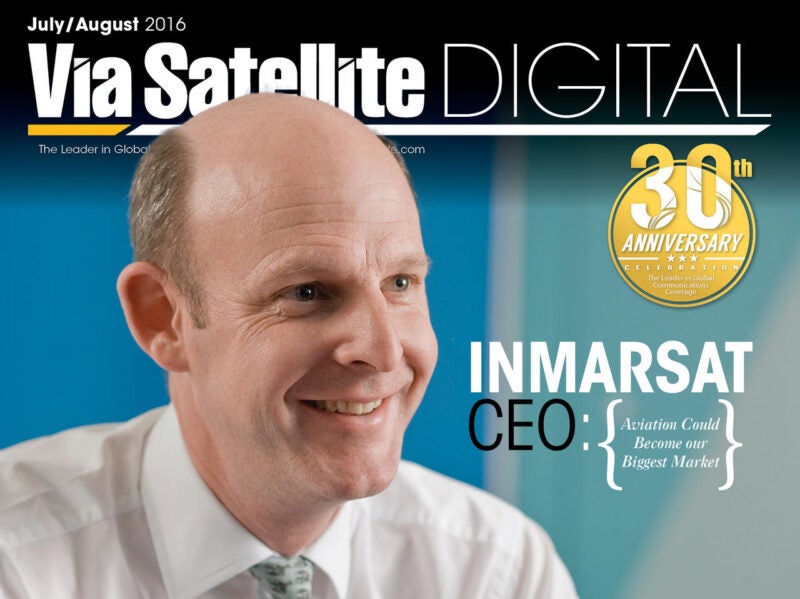
Explore the July/August 2016 Issue
Check out more from this issue and find your next story to read.
“This involves close collaboration with both internal program staff and our external customers to ensure that we deliver precision-built hardware that is optimized to meet our customers’ needs. The most rewarding part of my job is the opportunity to work alongside brilliant people who are actively expanding the capabilities and applications of composites in the satellite industry,” she says.
Ganguly points to the satellite industry as having fundamentally changed the way that humanity interacts with our planet’s environment.
“Weather sensing satellites have already helped remove some of the mystery surrounding natural events by improving forecasting and allowing better preparation for serious weather events. Climate sensing satellites will continue to increase our understanding of our changing world and better arm us to preserve it.”
Space missions captivated Ganguly from an early age. She says the generation that grew up during the Apollo Era “had a great gift” because of the high level of public support and excitement, which has since waned. She hastens to add that this is changing, however, listing growing commercial launches and the increased access to space offered by small satellites as rekindling agents for excitement about aerospace in today’s generation.
In the future, she anticipates the aerospace industry will follow other industries in moving toward quicker development and prototyping thanks to SmallSats and more accessible launches. The space industry is already harnessing these changes by exploring distributed sensing networks that enable continuous data collection over large areas — something Ganguly expects to see even more of in coming years. VS