AURORA, Colo. — To ensure the National Geospatial-Intelligence Agency (NGA) is postured to meet rapidly evolving threat and warfighters’ needs, is resilient and exploits emerging technologies, the agency’s new director on Wednesday outlined a vision around three lines of effort, mission, transformation and workforce, all enabled by artificial intelligence.
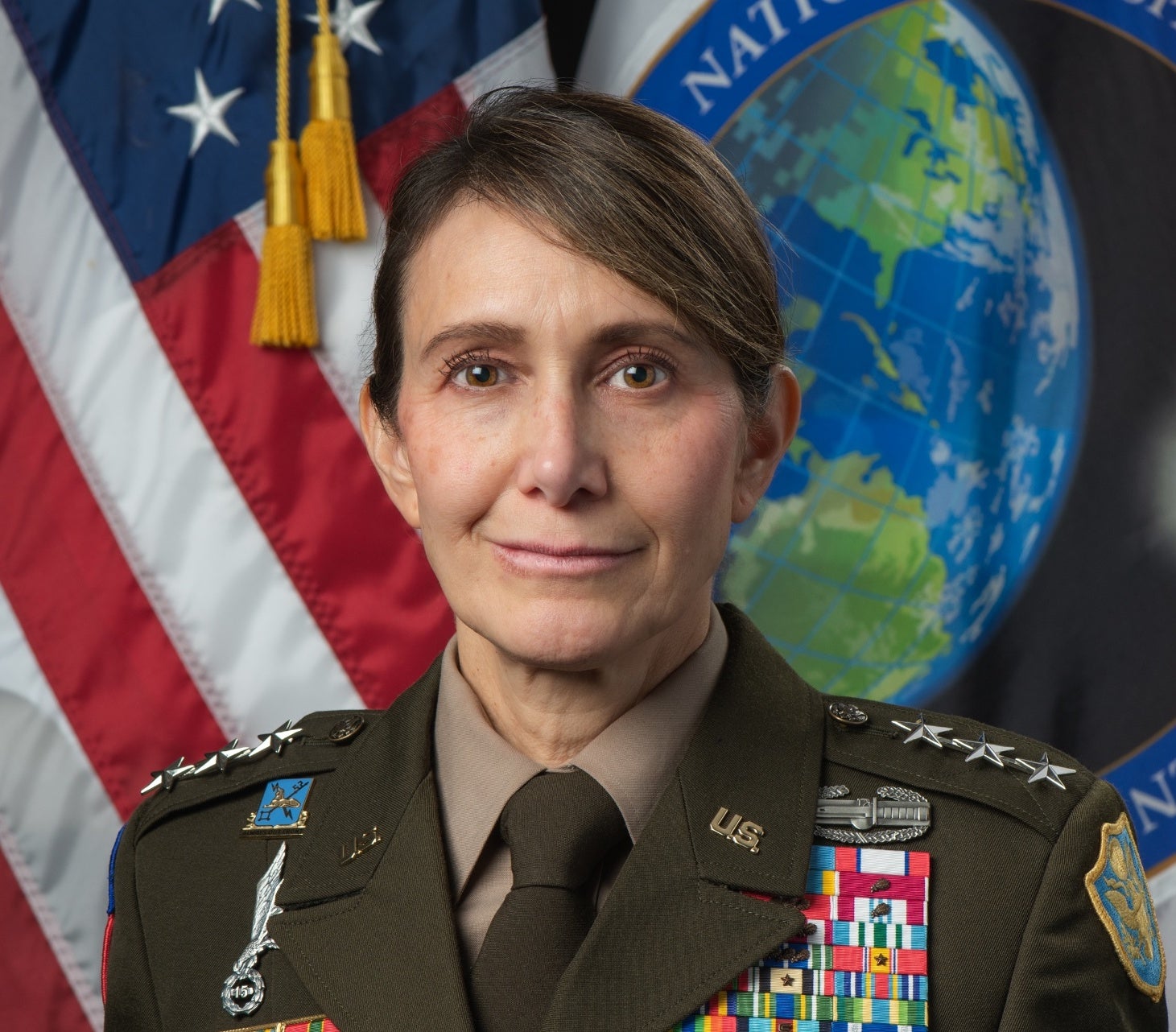
NGA is a “data agency” that leverages multiple types of intelligence and AI to give decision-makers “geospatial intelligence supremacy,” Army Lt. Gen. Michelle Bredenkamp said at the GEOINT Symposium. The agency’s mission is to continue providing warfighters and national leaders geospatial intelligence at “speed, scale and precision,” she said.
The agency’s new strategy is focused on accomplishing the mission, which is the first line of effort in the vision and is line with the priorities of the National Defense Strategy, including homeland defense, deterring China in the Indo-Pacific region, strengthen burdens sharing with allies and partners, and “leveraging and super-charging the defense industrial base,” said Bredenkamp, who became director of the agency last November.
NGA’s support to homeland defense is “paramount” to the agency’s mission and includes GEOINT for border security operations, countering drug organizations and maritime domain awareness across the Western Hemisphere, she said.
For the Indo-Pacific, the agency is providing the “geospatial foundation” for deterrence and planning in the first island chain, which extends from Japan to Taiwan, the Philippines and Borneo, Bredenkamp said.
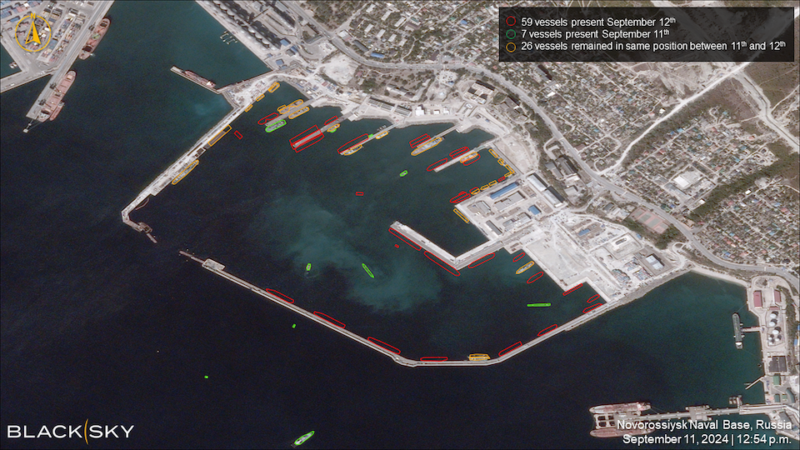
NGA’s operations here extend into space. In late 2025, China reported that its space station had been hit by debris in orbit. Using a commercial analytics contract, NGA was able to independently confirm China’s statement “within hours,” providing stakeholders with shareable, unclassified imagery that showed the exact damage, she said.
International partnerships and agreements forge global standards for GEOINT and interoperability to create a “unified front against shared threats,” Bredenkamp said. The fact that commercial imagery is unclassified and shareable has also helped strengthen these partnerships, she said.
As for the defense industrial base, Bredenkamp said the agency is going beyond traditional acquisition authorities to speed the adoption of new solutions. The agency’s new Rapid Capabilities Office, announced this week, will expand the use of these authorities and take more risk, she said.
NGA will host an industry day in July with classified and unclassified sessions focused on advanced analytics to cast a wide net for solutions from industry, she said.
Transformation
Transforming NGA refers to continue to reduce the time from intelligence collection to decision, and “investing and scaling our infrastructure, technology and processes to meet operational demands,” Bredenkamp said.
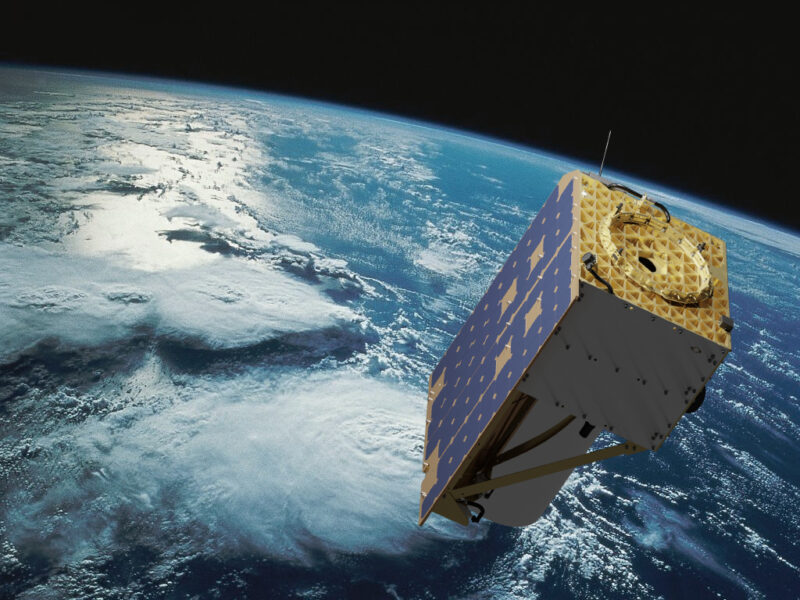
“And central to our transformation is how we leverage commercial capabilities,” Bredenkamp said, adding these capabilities are vital to helping confront accelerating threats.
“By relying on commercial providers for persistent global monitoring, we empower our workforce and national technical means to concentrate on the intelligence problems that commercial capabilities cannot address,” she said.
A focus on NGA’s employees is the third line of effort, which comes down to transforming the recruitment, development and retention of talent, Bredenkamp said. AI literacy, a “data-first workforce,” a “culture embracing risk” and innovation, and “autonomy and accountability” for leaders at all levels are priorities, she said.
The AI Thread
AI is a technology important to all three lines of effort to “make speed, scale and precision possible,” Bredenkamp said.
With its support of operations across multiple theaters, including the U.S., and “tracking destabilizing activities within key regions,” Bredenkamp pointed out that NGA no longer surging capabilities. Instead, she said, “It is our baseline. It is our new normal.”
AI is “at the core” of NGA’s vision and strategy, she said.
NGA will soon release an AI Framework, “which is our blueprint for becoming an AI first organization,” Bredenkamp said.
“The framework will cover everything from operationalizing GEOINT AI across the intelligence cycle to modernizing business operations, revolutionizing acquisition, strengthening our partnerships and maturing AI governance,” she said.