
The satellite business is at a double fulcrum, U.K. market analysts say — both incumbents and would-be disruptors face moments of truth in the next few years.
Jeffries analyst Giles Thorne said: “The satellite industry in 2020 has now launched more or less all of its first generation of High Throughput Satellites. They are in orbit, they are sold, they are generating revenue.” But the new LEO constellations “look very exciting. But they are yet to be proven technically, commercially and financially viable. At this point, the only people funding these LEO constellations are maverick visionaries — people like Elon Musk and Jeff Bezos and the Softbank Vision Fund.”
Explore the Show Daily 2020 Day 1 Issue
Check out more from this issue and find your next story to read.
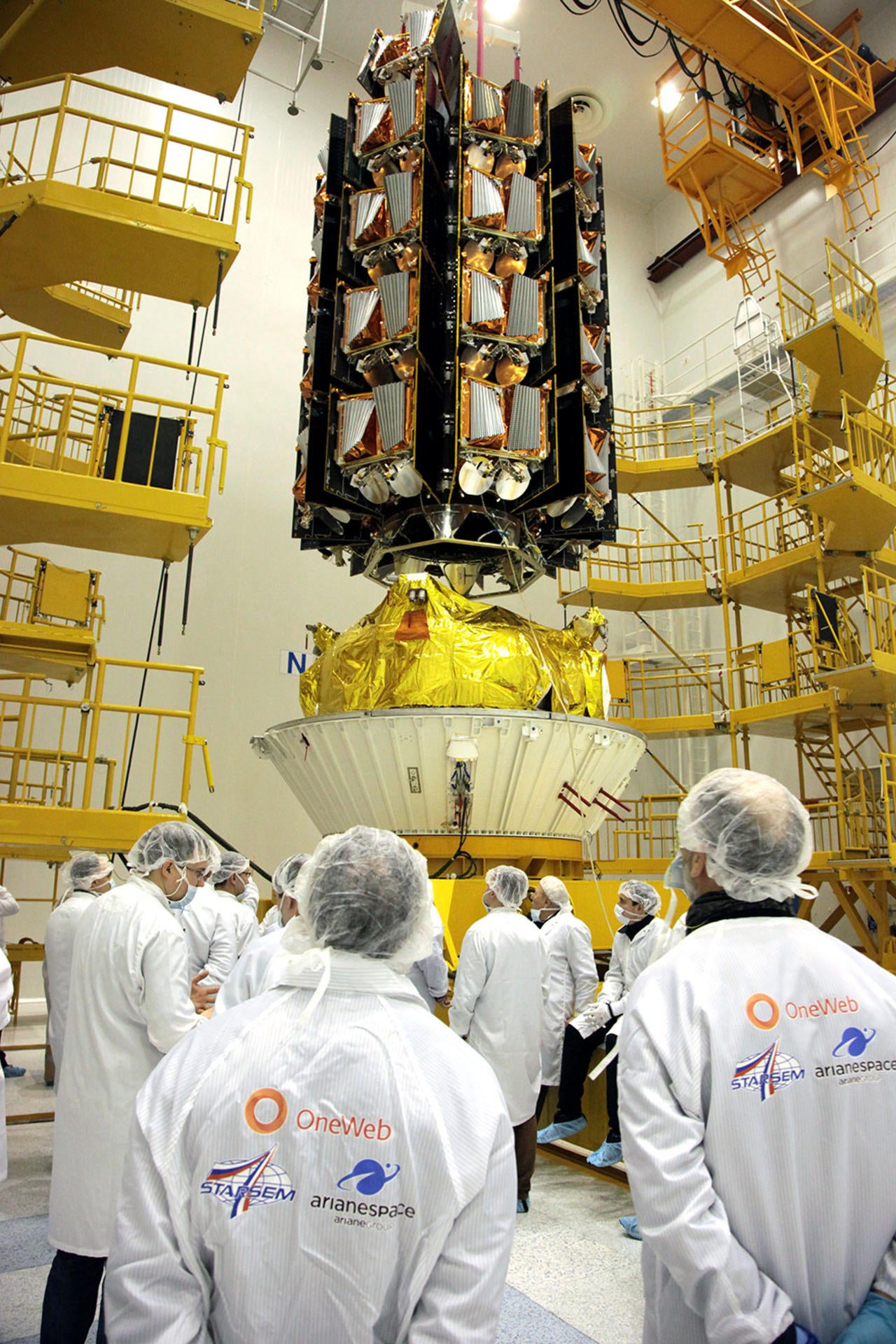
Credit Suisse analyst Paul Sidney pointed to Iridium’s decade-long, $3 billion struggle to launch 76 satellites as a cautionary tale: “SpaceX and OneWeb are putting up constellations orders of magnitude larger than that.” He predicted LEO would not deliver global connectivity for at least four or five years.
Berenberg analyst Sarah Simon noted LEO-backed companies don’t need quick returns: “They could pose a serious threat to incumbents as long as they keep getting that backing. They don’t need to be making a profit.”
On video, Simon was pessimistic: “I don’t think we’ll see a return to growth. If LEO and 5G make real high-speed broadband a global reality, consumers will leapfrog DTH and move directly to OTT services.”
Thorne concluded: “It might be that traditional incumbents can coexist with these disruptive new market entrant operators. It might be that there is enough latent demand that they can just coexist. I for one don’t have a good answer to what’s going to happen, but it does make it a very interesting time to be an analyst.” VS