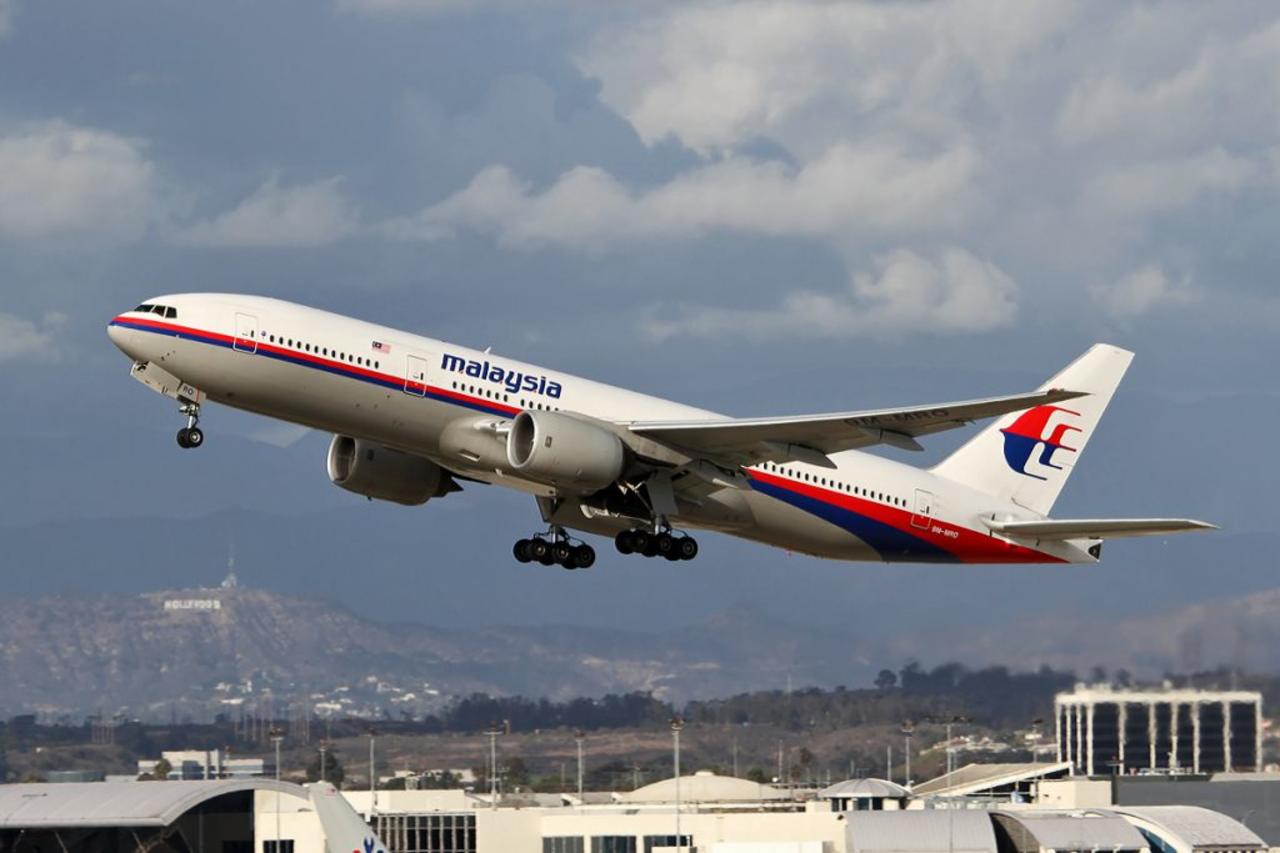
There is no good reason why tragic mysteries such as Malaysian Airlines Flight 370, Air France Flight 447 and EgyptAir Flight 990 should occur. We have the technology now to prevent or immediately track down and learn the cause of such disasters — though bureaucratic and economic challenges remain formidable.
Daniel Baker, CEO of aviation tracking company FlightAware, said the problem in cases like MH370 was a lack of a mechanism to swiftly respond. “If you don’t begin to react to it for a couple hours, you have a ‘pi-r-squared problem,'” he said — meaning the search area grows exponentially with time.

Explore the Show Daily 2018 Wrap Up Issue
Check out more from this issue and find your next story to read.
In response to such emergencies, ICAO passed the Global Aeronautical Distress and Safety System (GADSS) resolution in 2016, requiring aircraft to report position every 15 minutes (every minute in distress), using an autonomous two-way system.
Captain Mary McMillan, VP of safety and operational services for Inmarsat Global, said removing circuit-breaker control from pilots is tricky. “If we can’t pull the circuit breaker, what do we do in case of a fire or smoke event?” Inmarsat is working on live-streaming flight data. “We have to get that same capability now in aviation,” she said, while acknowledging the cost challenge.
FlightAware combines datalink data from Inmarsat, Iridium and Aireon’s ADS-B satellites to create a real-time picture of aircraft positions — requiring no new hardware retrofit.
Brian Pemberton, VP at Iridium Communications, acknowledged the broader challenge: “It’s unfortunate, but this tech really does exist, it’s just the economic and bureaucratic challenge of getting everyone on board. When you’re trying to get all the airlines around the world to commit their time and money toward it, you’re facing a massive economic and operational challenge.” VS