|
|

Daily News Feed |
TOP STORY
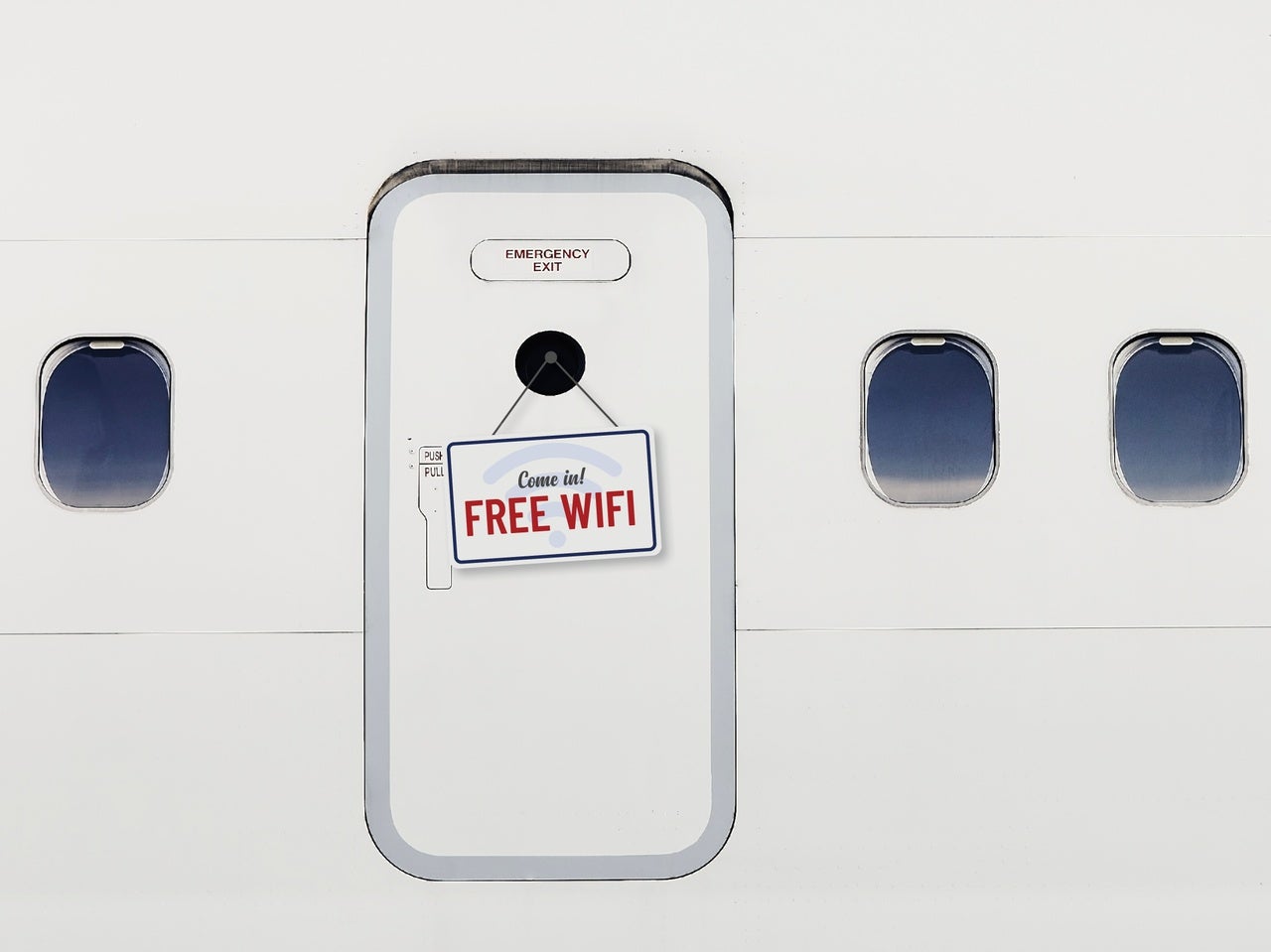
The in-flight connectivity (IFC) market is at an inflection point as airlines have embraced the free model and Starlink has made deep inroads into the market over the last two to three years. All of this begs the question as to whether connectivity based on LEO will prove the top choice of airlines going forward or whether a more nuanced multi-orbit approach could win out.
In this feature, Via Satellite interviews SAS, Aeromexico, Japan Airlines, and Ethiopian Airlines about their IFC plans, their technology roadmap, the impact of Starlink, and how they view services based on Geostationary Orbit (GEO). SAS…[continued]
|
|
|
|
The state of California plans to integrate Iceye satellite data into statewide emergency operations as part of a new agreement. California opened a modernized state…[continued] |
|
Northrop Grumman has selected a ThinKom antenna to provide satcom for the U.S. Navy’s E-130J Phoenix II aircraft, which will assume the Navy’s TACAMO mission…[continued] |
|
Deploy Trusted Platform functionality with wolfTPM Firmware TPM (fTPM). Run in TrustZone, FPGA soft-core, or lockstep processor designs. Establish a hardware root of trust for secure boot, key protection, attestation, and trusted storage. Supports post-quantum cryptography (TCG v1.85) without requiring dedicated TPM hardware.
|
|
|
|
Kymeta won further U.S. government business in the form of a development contract. The U.S. Department of Defense (DoD) has tapped Kymeta to develop an…[continued] |
|
Open Cosmos’ is targeting 192 satellites for its ConnectedCosmos Low-Earth Orbit (LEO). The company is building toward more than 96 satellites in orbit by the…[continued] |
|
When I first entered the commercial space industry in 2012, we spent a lot of time explaining why small satellites mattered and the concept of…[continued] |
|
|
|
|
VIA SATELLITE | ADVERTISE | CONTACT US | SIGN UP
    |