
Water is the defining resource of our time. As populations grow and climate change intensifies droughts and floods, the world’s freshwater systems face unprecedented stress. Satellite technology is emerging as an indispensable tool for water resource management.
Monitoring Water from Space
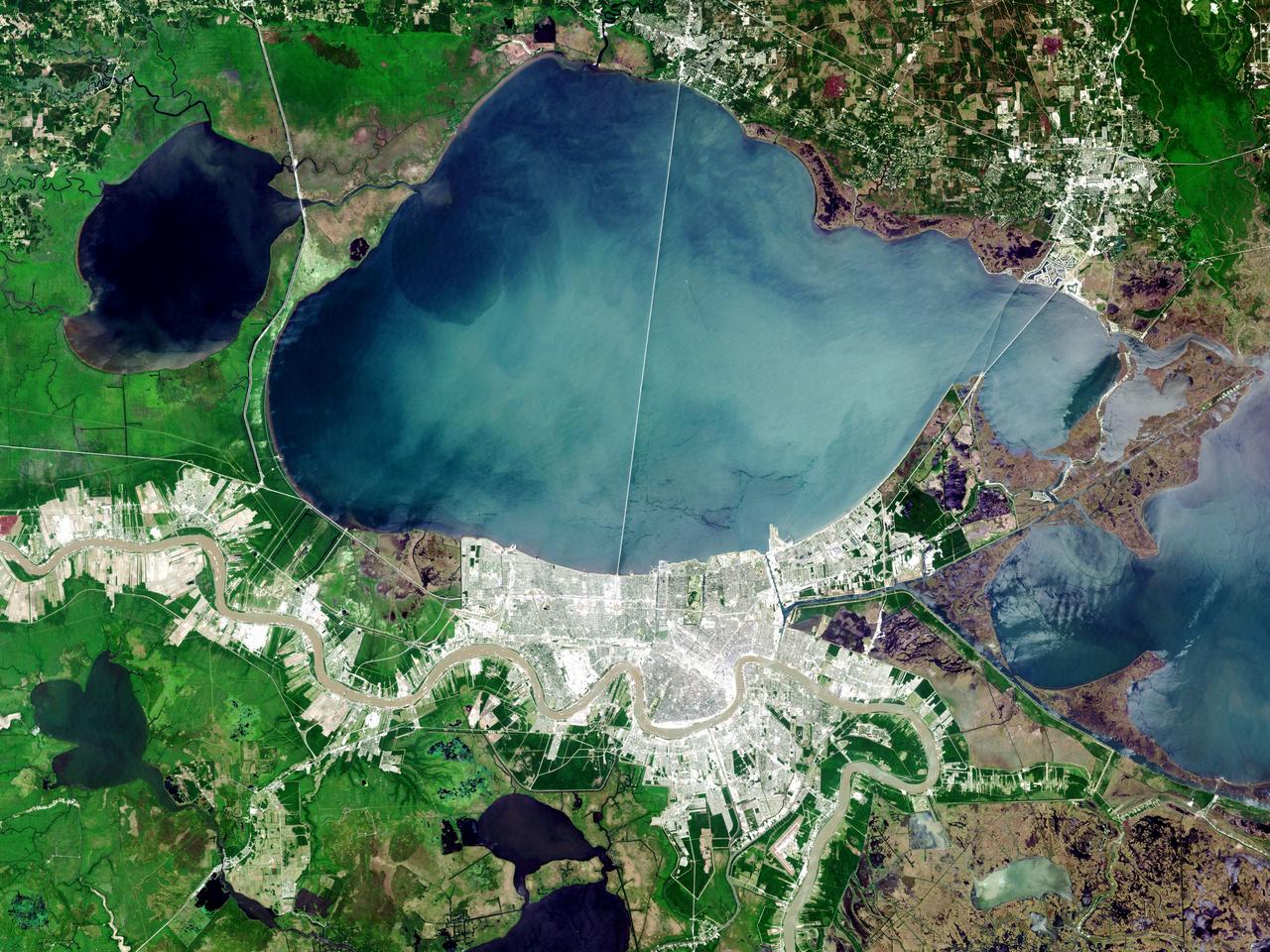
Earth observation satellites provide a bird’s-eye view of the world’s water resources that simply cannot be matched by ground-based monitoring. Satellites can track the extent and depth of lakes and reservoirs, monitor soil moisture levels, detect changes in groundwater through gravity measurements, and map flood extents in near real-time.
Explore the December 2015 Issue
Check out more from this issue and find your next story to read.
NASA’s GRACE (Gravity Recovery and Climate Experiment) satellites have revolutionized our understanding of groundwater depletion. By measuring tiny changes in Earth’s gravity field, GRACE can detect the loss of groundwater in major aquifers worldwide.
Supporting Water Infrastructure
Satellite communications support the remote monitoring and control of water infrastructure — pumping stations, treatment plants, and distribution systems — in areas where terrestrial communications are unavailable or unreliable.
Disaster Response
When floods, droughts, or infrastructure failures disrupt water supplies, satellites are often the first responders. Earth observation data guides rescue and relief operations, while satellite communications keep response teams connected.VS